


What is Happening Under the Skin Before a Pimple Appears?
Your Cart
0You May Also Like
Ever wondered why that annoying pimple seems to appear overnight, even though your skin looked perfectly clear the day before? The truth is, what is happening inside the skin before a pimple actually becomes visible is a complex biological process that begins weeks before you notice any surface changes. Understanding the early signs of acne and the intricate stages of pimple formation can help you identify potential breakouts before they become problematic. This invisible battle beneath your skin involves hormones, bacteria, oil production, and cellular changes that create the perfect storm for acne development. By exploring the science behind how pimples start and what causes a pimple to form, you'll gain valuable insights into your skin's behavior and potentially prevent future breakouts.
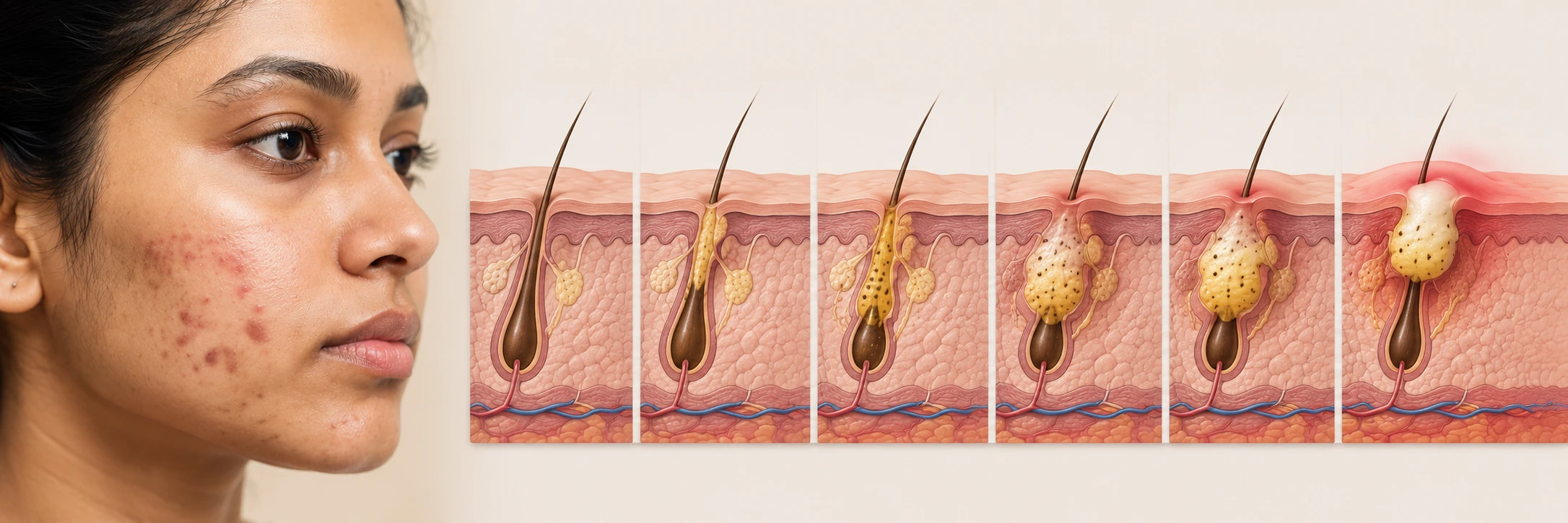
The journey of under the skin pimple development begins approximately 2-3 weeks before any visible signs appear on your skin's surface. During this invisible phase, your hair follicles undergo significant changes that set the stage for acne formation stages.
This pre-visible stage involves a cascade of biological events that occur in a specific sequence. Your sebaceous glands start producing excess oil, dead skin cells begin accumulating, and the follicle environment becomes increasingly conducive to bacterial growth. Understanding this timeline helps explain why topical treatments often take 6-8 weeks to show results—they need to address the existing pipeline of developing lesions beneath your skin.
The complete acne formation stages follow a predictable four-week cycle that dermatologists have mapped through advanced imaging techniques. Week one involves initial hormonal triggers that stimulate oil production. Week two sees the beginning of follicular plugging as dead skin cells start to accumulate. Week three introduces bacterial colonization, while week four brings the inflammatory response that eventually creates the visible pimple.
At the cellular level, your skin undergoes dramatic transformations during pimple genesis. Keratinocytes (skin cells) begin producing excess keratin, creating a sticky environment within the follicle. Simultaneously, sebocytes increase sebum production by up to 300%, according to recent dermatological studies. These microscopic changes create the foundation for what will eventually become a visible breakout.
The question of what causes a pimple to form begins with understanding the primary triggers that initiate this complex process. Hormonal fluctuations, particularly increases in androgens like testosterone and dihydrotestosterone (DHT), serve as the primary catalysts for acne development. These hormones directly stimulate sebaceous glands, causing them to enlarge and produce significantly more oil than normal.
Environmental factors also play a crucial role in triggering the initial stages of pimple formation. Stress hormones like cortisol can increase oil production by up to 40%, while dietary factors such as high-glycemic foods and dairy products have been linked to increased acne severity in multiple dermatological studies.
When androgens bind to receptors in your sebaceous glands, they trigger a molecular cascade that affects multiple aspects of skin function. This hormonal influence extends beyond simple oil production, affecting the rate of skin cell turnover, the composition of sebum, and even the skin's natural antimicrobial properties.
Your genetic makeup significantly influences how your skin responds to acne triggers. Studies show that individuals with a family history of acne are 4 times more likely to experience severe breakouts, with genetic factors affecting everything from pore size to sebum composition and inflammatory response patterns.
Recognizing the early signs of acne requires paying attention to subtle changes in your skin's texture, appearance, and behavior. Before any visible pimple appears, your skin often sends warning signals that indicate developing acne lesions beneath the surface. These early indicators include slight changes in skin texture, increased oiliness in specific areas, and subtle sensations like tenderness or tightness.
Professional dermatologists have identified several key early warning signs that occur 1-2 weeks before visible breakouts. These include microcomedones (tiny, invisible clogs), localized inflammation that hasn't yet reached the surface, and changes in skin pH levels that create favorable conditions for bacterial growth.
Your skin's texture often changes subtly before breakouts occur. Areas destined for pimple development may feel slightly rougher or bumpier than surrounding skin, even when no visible changes are apparent. This textural shift occurs as dead skin cells and oil begin accumulating within the follicle, creating microscopic elevations that you can feel but not see.
Many people report increased sensitivity or tenderness in areas where pimples later develop. This heightened sensitivity results from early inflammatory processes occurring deep within the follicle, as immune cells begin responding to the changing follicular environment.
Sebaceous glands serve as the primary drivers of how pimples start, functioning as oil-producing factories that can dramatically alter their output based on various internal and external factors. These glands, attached to hair follicles throughout your body, produce sebum—a complex mixture of lipids that normally helps protect and moisturize your skin. However, when sebaceous gland activity becomes dysregulated, it sets the stage for acne development.
The size and activity of sebaceous glands vary significantly across different areas of your face and body. The T-zone (forehead, nose, and chin) contains the largest and most active sebaceous glands, which explains why this area is particularly prone to breakouts. Recent research indicates that sebaceous glands in acne-prone individuals can produce up to 5 times more sebum than those in clear-skinned individuals.
During the pre-pimple phase, not only does sebum production increase, but its composition also changes significantly. The ratio of different lipids shifts, creating a more comedogenic (pore-clogging) mixture. This altered sebum becomes stickier and more likely to combine with dead skin cells, forming the plugs that eventually become blackheads, whiteheads, or inflamed pimples.
Sebaceous glands contain high concentrations of hormone receptors, making them extremely sensitive to fluctuations in androgen levels. Even minor hormonal changes can trigger dramatic increases in sebum production, explaining why breakouts often coincide with menstrual cycles, stress periods, or hormonal transitions.
The bacterial component of under the skin pimple development involves complex interactions between your skin's natural microbiome and opportunistic bacteria that thrive in oil-rich environments. Cutibacterium acnes (formerly Propionibacterium acnes), the primary bacteria associated with acne, begins proliferating in clogged follicles long before any visible signs of infection appear.
This bacterial colonization doesn't happen overnight. Research shows that significant bacterial population increases occur 10-14 days before visible inflammatory acne lesions develop. During this time, C. acnes feeds on the excess sebum, producing inflammatory byproducts that trigger your immune system's response.
Healthy skin maintains a delicate balance of various bacterial species that work together to protect against harmful pathogens. However, when follicles become clogged with excess oil and dead skin cells, this environment favors the overgrowth of C. acnes while suppressing beneficial bacteria. This microbiome shift creates a self-perpetuating cycle that promotes continued acne development.
Your immune system begins responding to bacterial overgrowth well before visible inflammation appears. White blood cells start migrating toward affected follicles, releasing inflammatory mediators that will eventually cause the redness, swelling, and pain associated with inflamed pimples. This immune response, while intended to fight infection, often causes more damage than the bacteria themselves.
Understanding the invisible stages of pimple genesis opens opportunities for prevention strategies that target acne before it becomes visible. The most effective prevention approaches focus on maintaining healthy follicular environments through consistent skincare routines, lifestyle modifications, and targeted treatments that address the root causes of acne development.
Gentle exfoliation plays a crucial role in preventing the accumulation of dead skin cells that contribute to follicular plugging. However, over-exfoliation can trigger increased oil production and inflammation, making technique and frequency critical factors in successful prevention strategies.
Specific skincare ingredients can effectively target the pre-visible stages of acne development. Salicylic acid helps prevent follicular plugging by promoting healthy cell turnover, while niacinamide regulates oil production and reduces inflammation. Retinoids work at the cellular level to normalize skin cell production and prevent the formation of comedonal plugs.
Diet, stress management, and sleep quality all influence hormonal patterns that affect acne development. Anti-inflammatory diets rich in omega-3 fatty acids and low in high-glycemic foods can help stabilize the hormonal environment that triggers acne formation.
The formation process typically begins 2-3 weeks before a pimple becomes visible on the skin's surface. During this time, changes in oil production, dead skin cell accumulation, and bacterial colonization occur deep within the hair follicle, setting the stage for eventual breakout development.
Yes, many people can detect developing pimples through subtle changes in skin texture, increased tenderness, or slight swelling in specific areas. These sensations occur as inflammatory processes begin deep within the follicle, often 1-2 weeks before visible signs appear.
The earliest signs include slight changes in skin texture, increased oiliness in localized areas, minor tenderness or sensitivity, and sometimes a barely perceptible raised feeling when running your fingers over the skin. These changes reflect the beginning stages of follicular plugging and inflammation.
Individual sensitivity to early acne development varies based on skin thickness, nerve sensitivity, previous acne experience, and overall skin awareness. People with thinner skin or higher sensitivity may detect developing lesions earlier than those with thicker, less sensitive skin.
Early intervention can sometimes prevent developing pimples from progressing to visible lesions. Targeted treatments with salicylic acid, benzoyl peroxide, or professional extraction techniques can address developing comedones before they become inflamed or reach the skin's surface.
Not all clogged pores progress to visible pimples. Many microcomedones resolve naturally through normal skin turnover processes. The progression to visible acne depends on factors like plug composition, bacterial colonization, immune response, and individual skin characteristics.
Understanding what is happening inside the skin before a pimple actually becomes visible empowers you to take proactive steps in your skincare routine. The complex process of acne development begins weeks before any surface changes occur, involving hormonal triggers, bacterial growth, and cellular changes that create the perfect environment for breakouts. By recognizing the early signs of acne and implementing targeted prevention strategies, you can potentially interrupt the development cycle before pimples become visible. Remember that consistency in skincare, attention to lifestyle factors, and understanding your skin's unique patterns are key to managing acne effectively. Your skin is constantly sending signals about its health—learning to read these signs can make all the difference in maintaining clear, healthy skin.
