


What Causes Bumpy Skin Texture? Your FAQ Answered
Bumpy skin texture can feel frustrating, especially when you're not sure what's causing those rough patches or tiny bumps that make your skin feel uneven. Whether you're dealing with sudden texture changes or long-standing skin concerns, understanding the root causes is the first step toward achieving smoother, more even skin. From dead skin buildup to underlying conditions like keratosis pilaris, various factors contribute to what causes bumpy skin texture. The good news? Most texture issues are treatable with the right approach and consistent care.
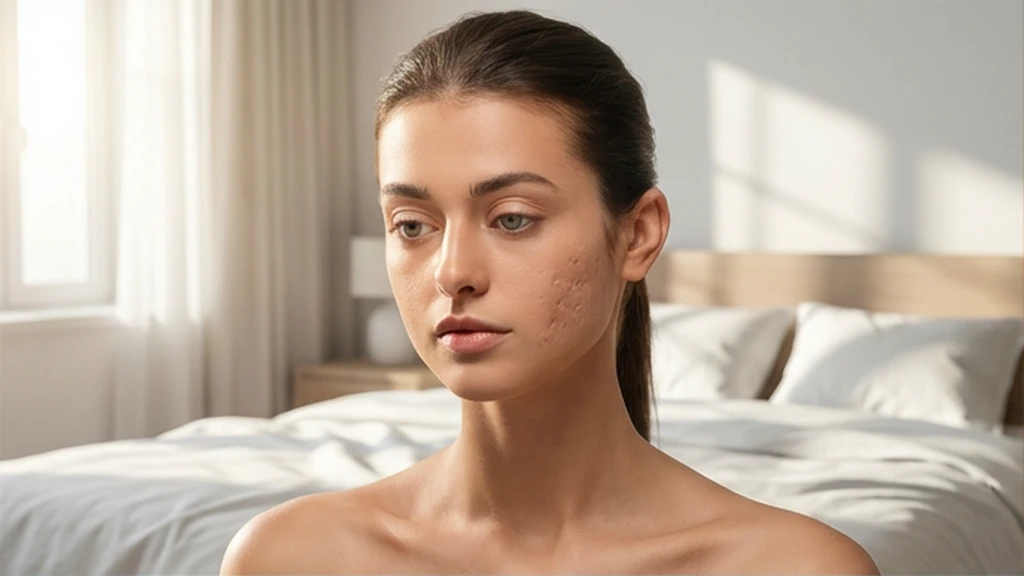
Bumpy skin texture refers to an uneven skin surface that feels rough to the touch or appears visually irregular. Unlike smooth, healthy skin that reflects light evenly, textured skin creates shadows and feels coarse when you run your fingers across it. These skin texture problems can manifest as tiny bumps, rough patches, or an overall uneven appearance that affects how makeup sits on your skin.
At the cellular level, smooth skin maintains regular cell turnover, proper hydration, and healthy pore function. When this balance gets disrupted, you end up with an uneven skin surface that can impact both your skin's health and your confidence. Understanding your specific texture concerns helps determine the most effective treatment approach.
Several factors contribute to textured skin, and often multiple causes work together to create the bumpy appearance you're experiencing. Identifying the specific rough skin texture causes affecting your skin helps target treatment more effectively.
Your skin naturally sheds dead cells every 28 days, but this process slows down with age, stress, and environmental factors. When dead cells accumulate on the surface, they create a rough, bumpy texture that makes skin look dull and feel coarse. This buildup also prevents skincare products from penetrating effectively, making your routine less effective.
When oil mixes with dead skin cells and debris, it creates plugs in your pores that appear as small bumps on the surface. These causes of skin bumps are particularly common in oily and combination skin types. Hormonal fluctuations can worsen this condition by increasing oil production.
Keratosis pilaris skin appears as small, rough bumps that feel like sandpaper, often called "chicken skin." This genetic condition occurs when excess keratin blocks hair follicles, creating tiny bumps typically found on arms, thighs, and sometimes the face. The condition is harmless but can affect skin's appearance and texture.
Previous breakouts can leave behind textural changes that create an uneven skin surface. Acne scars texture varies from shallow depressions to raised bumps, depending on how your skin healed from inflammation. These permanent changes require targeted treatments to improve appearance.
When skin lacks moisture, it can develop a rough, bumpy texture as cells shrink and create an uneven surface. Dehydration also triggers excess oil production, leading to the strawberry skin texture where pores appear enlarged and prominent.
UV exposure breaks down collagen and elastin, leading to enlarged pores texture and overall skin roughness. Long-term sun damage creates permanent textural changes that require consistent treatment and prevention strategies.
If your skin texture changed suddenly, several factors might be responsible. Hormonal fluctuations during puberty, pregnancy, or menopause can dramatically alter your skin's behavior, leading to new texture issues. Starting new skincare products or medications can also trigger reactions that create bumpy skin.
Environmental changes, increased stress levels, or dietary modifications can also contribute to sudden skin texture problems. If texture changes appear quickly or are accompanied by other symptoms like redness, itching, or pain, consider consulting a dermatologist to rule out underlying conditions.
Treating bumpy skin texture requires a multi-faceted approach that addresses the underlying causes while promoting healthy cell turnover and hydration. The most effective skin texture treatments combine gentle exfoliation, targeted ingredients, and consistent care.
Alpha hydroxy acids (AHAs) like glycolic acid work on the skin's surface to remove dead cells and smooth texture. Beta hydroxy acids (BHAs) like salicylic acid penetrate deeper into pores, making them ideal for oil-related texture issues. Start with lower concentrations and gradually increase as your skin builds tolerance.
Retinoids accelerate cell turnover, helping to smooth texture over time. They're particularly effective for acne-related bumps and can improve the appearance of enlarged pores. Begin with over-the-counter retinol products before considering prescription options.
Ingredients like niacinamide, ceramides, and hyaluronic acid help restore skin's moisture barrier while reducing inflammation. A well-hydrated skin barrier appears smoother and more even, making texture less noticeable.
Creating an effective routine for textured skin involves gentle cleansing, targeted treatments, and consistent hydration. Your morning routine should focus on protection and hydration, while evening care can incorporate active ingredients for texture improvement.
Start with a gentle cleanser that removes impurities without stripping your skin. Follow with hydrating serums containing ingredients like niacinamide or hyaluronic acid. Always finish with sunscreen during the day to prevent further texture damage from UV exposure.
Evening routines can include stronger active ingredients like retinoids or chemical exfoliants. Start slowly with these ingredients, using them 2-3 times per week initially. Always follow with a moisturizer to prevent irritation and support skin barrier function.
Incorporate weekly treatments like gentle exfoliating masks or enzyme treatments to boost your daily routine's effectiveness. These treatments provide deeper exfoliation while supporting overall skin health and texture improvement.
Preventing future texture issues involves maintaining consistent skincare habits, protecting your skin from environmental damage, and supporting overall skin health through lifestyle choices. Daily sunscreen use is crucial for preventing UV-related texture changes, while gentle, consistent exfoliation helps maintain smooth skin.
Pay attention to how your skin responds to different products and environmental factors. What works for others might not work for your skin, so be patient while finding your ideal routine. Consistency is more important than using the latest trending ingredients.
Most people notice initial improvements within 4-6 weeks of consistent treatment, but significant texture changes can take 3-6 months. The timeline depends on the underlying cause, treatment method, and your skin's natural renewal rate.
Yes, diet can influence skin texture through inflammation, hydration, and nutrient availability. Foods high in sugar or dairy may worsen texture issues in some people, while antioxidant-rich foods and adequate water intake support smoother skin.
Most texture issues are treatable and can be significantly improved with proper care. However, some conditions like deep acne scars or genetic conditions may require professional treatments for optimal results.
Bumpy texture typically feels rough but isn't inflamed or painful, while active acne involves red, inflamed bumps that may be tender to touch. Texture issues are often related to dead skin buildup or scarring rather than active breakouts.
Yes, over-exfoliation can damage your skin barrier, leading to increased sensitivity, dryness, and paradoxically worse texture. Signs include persistent redness, stinging, or increased bumps after exfoliation.
Understanding what causes bumpy skin texture empowers you to choose the right treatments and prevention strategies. Whether dealing with dead skin buildup, clogged pores, or underlying conditions, consistent care with appropriate ingredients can significantly improve your skin's appearance and feel.
Remember that texture improvement takes time and patience. Start with gentle approaches, be consistent with your routine, and don't hesitate to seek professional guidance if you're not seeing results or if your texture concerns are accompanied by other symptoms. With the right approach, smoother, more even skin is achievable for most texture concerns.
