

Sensitive Skin Acne: Your Complete Treatment Guide
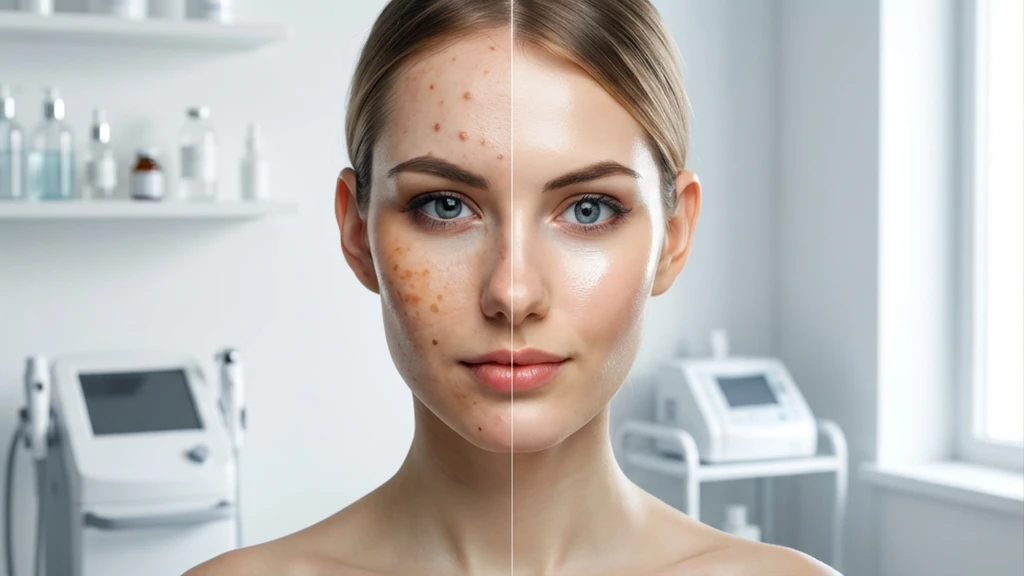
Dealing with acne when you have sensitive skin feels like walking a tightrope. You need something strong enough to clear breakouts but gentle enough not to turn your face into a red, irritated mess. Many people with sensitive skin give up on acne treatment altogether because traditional products cause more harm than good. The good news? You can absolutely achieve clear skin without the burn, sting, or flare-ups. It just takes the right approach, the right products, and a lot of patience. Let's dive into everything you need to know about treating sensitive skin acne effectively and safely.
Sensitive skin acne creates a unique challenge that many skincare routines fail to address. Your skin reacts strongly to ingredients that others can use without issue. This means redness, burning, stinging, or even more breakouts when you try typical acne products. The problem starts with your skin barrier. When you have sensitive skin, this protective layer doesn't work as well as it should. It lets irritants in more easily and loses moisture faster. Add acne to the mix, and you're dealing with inflammation from two sources - the sensitivity and the breakouts.
Most acne treatment products use high concentrations of active ingredients. Salicylic acid at 2%, benzoyl peroxide at 10%, or strong retinoids might work for normal skin. But for sensitive skin, these concentrations often cause more inflammation than they prevent.
When your skin gets irritated from harsh products, it creates more inflammation. This inflammation can actually trigger more acne. You end up in a cycle where treating your acne makes it worse.
The key to successful acne treatment for sensitive skin lies in choosing the right ingredients at the right concentrations. These ingredients fight acne without triggering sensitivity reactions. Azelaic acid stands out as one of the gentlest yet most effective options. At 10-20% concentration, it reduces inflammation, kills acne bacteria, and helps with post-acne marks. Unlike other acids, it rarely causes irritation even on the most sensitive skin.
Salicylic acid can work for sensitive skin, but only at low concentrations. Look for products with 0.5-1% salicylic acid instead of the typical 2%. This gentle acne cleanser approach gives you the pore-clearing benefits without the harsh side effects.
Niacinamide at 5-10% concentration helps regulate oil production while calming redness. It's one of the most well-tolerated ingredients for sensitive skin. Adapalene, a gentle retinoid available over-the-counter, promotes cell turnover without the irritation of stronger retinoids.
Building an effective acne skincare routine for sensitive skin requires a strategic approach. You need to balance treating acne with protecting your skin barrier. Start your morning routine with a gentle acne cleanser that won't strip your skin. Look for cream or lotion cleansers rather than foaming ones. Foaming cleansers often contain sulfates that can irritate sensitive skin.
After cleansing, apply a lightweight, non-comedogenic moisturizer. Even oily, acne-prone skin needs moisture, especially when it's sensitive. Finish with broad-spectrum SPF 30 or higher. Sun protection is crucial because many acne treatments make your skin more sensitive to UV damage.
Your evening routine is where you'll do most of your acne-fighting work. Start with the same gentle cleanser. If you wear makeup or sunscreen, consider double cleansing with a gentle oil cleanser first. Apply your active ingredients next. Start with just one active ingredient and use it every other night. This gives your skin time to adjust without overwhelming it.
Choosing the right non-irritating acne products makes all the difference in your results. The best acne face wash for sensitive skin should clean without stripping or irritating. Look for cleansers with ingredients like ceramides, hyaluronic acid, or niacinamide. These ingredients clean while supporting your skin barrier. Avoid cleansers with sulfates, fragrances, or high concentrations of acids.
Acne creams for sensitive skin should focus on gentle, proven ingredients. Adapalene gel is often the best starting point for retinoid treatment. It's specifically formulated to be less irritating than other retinoids while still being effective. For spot treatments, look for low-concentration benzoyl peroxide (2.5%) or products with azelaic acid. These provide targeted acne-fighting power without widespread irritation.
Redness relief acne treatment focuses on reducing inflammation while treating breakouts. When you have sensitive skin, managing redness becomes just as important as clearing acne. Calming acne solutions often include ingredients like centella asiatica, green tea extract, or chamomile. These natural anti-inflammatory ingredients can soothe irritated skin while you treat acne.
When your skin flares up, cool compresses can provide immediate relief. Apply a clean, cool, damp cloth to irritated areas for 5-10 minutes. This reduces inflammation and provides comfort without adding more products to irritated skin.
Consistent use of soothing acne treatment products helps prevent redness over time. Look for products that combine acne-fighting ingredients with calming ones. This dual approach treats the cause while managing the symptoms.
Success with sensitive skin acne requires patience and a gradual approach. Start with just one active ingredient and use it every third night for the first week. If your skin tolerates it well, increase to every other night, then eventually to nightly use. Introduce new products one at a time, waiting at least two weeks between additions. This helps you identify which products work and which might cause irritation. Keep a simple routine - too many products can overwhelm sensitive skin.
Track your skin's response to new products and routines. Take photos weekly to monitor changes in acne and sensitivity. Note any products that cause irritation so you can avoid similar ingredients in the future.
Azelaic acid is often the best starting point for very sensitive skin. It's anti-inflammatory, antibacterial, and rarely causes irritation. Start with a 10% concentration and use it every other night initially.
Gentle treatments typically take 6-12 weeks to show significant results. This is longer than harsh treatments, but the results are more sustainable and less likely to cause setbacks from irritation.
Yes, but start with adapalene, which is specifically formulated to be gentler than other retinoids. Begin with every third night application and gradually increase frequency as your skin adjusts.
Avoid harsh scrubs, high-concentration acids (over 2%), alcohol-based products, and fragrances. Also avoid over-washing your face - twice daily is sufficient for most people.
Focus on gentle, consistent cleansing, regular moisturizing, and sun protection. Use non-comedogenic products and avoid touching your face throughout the day.
Treating acne with sensitive skin requires a different approach than standard acne treatment. The key is finding the right balance between effectiveness and gentleness. Start slow, be patient, and don't be afraid to scale back if your skin becomes irritated. With the right products and routine, you can achieve clear skin without compromising your skin's health or comfort. Remember that consistency matters more than intensity when it comes to sensitive skin care.
