


Scar Treatment 101: Your Complete Guide to Healing
Your Cart
0You May Also Like
Scars tell stories, but sometimes we want those stories to fade. Whether you're dealing with acne marks, surgical scars, or injury reminders, understanding effective skin scar remedies can help you make informed choices about your healing journey. The good news? Today's scar treatment options range from simple home remedies to advanced medical procedures. Every scar is unique, just like the skin it forms on. Some fade naturally over time, while others need a little extra help. The key is knowing what works, when to use it, and how to set realistic expectations for your skin's healing process.
Your skin is remarkably good at fixing itself. When injury occurs, your body rushes to close the wound with new tissue. This repair process involves collagen production, which creates the fibrous tissue we see as scars. The way your skin heals depends on several factors that affect the final appearance. Age plays a big role in scar healing. Younger skin typically heals faster but may form more noticeable scars. Older skin heals slower but often with less dramatic scarring. Your genetics also influence how your skin responds to injury. Some people naturally produce more collagen, leading to raised scars or keloids.
Location matters when it comes to scar visibility. Areas with more tension, like joints or the chest, often develop thicker scars. The depth and size of the original wound also determine the final result. Deeper injuries that reach the dermis layer are more likely to leave permanent marks.
Fresh scars go through predictable stages. The first few weeks involve inflammation and new tissue formation. Over the next several months, the scar matures and may change color or texture. Most scars reach their final appearance within 12 to 18 months.
Professional scar reduction methods offer the most dramatic results. These treatments work by either breaking down existing scar tissue or encouraging new, healthier skin growth. The best approach depends on your scar type, skin tone, and personal goals. Silicone products top the list of evidence-based treatments. These create a protective barrier that helps regulate moisture and collagen production. Studies show consistent use can reduce scar thickness, redness, and overall appearance.
Laser treatments use focused light to resurface skin and stimulate healing. Different laser types target specific scar characteristics. Fractional lasers work well for acne scar removal, while pulsed dye lasers help with red, raised scars.
Steroid injections can flatten raised scars and keloids. These work by reducing inflammation and breaking down excess collagen. Multiple sessions are usually needed for best results.
Consider seeing a dermatologist if your scars are raised, painful, or significantly impact your confidence. Professional treatments often provide faster, more dramatic results than home remedies alone.
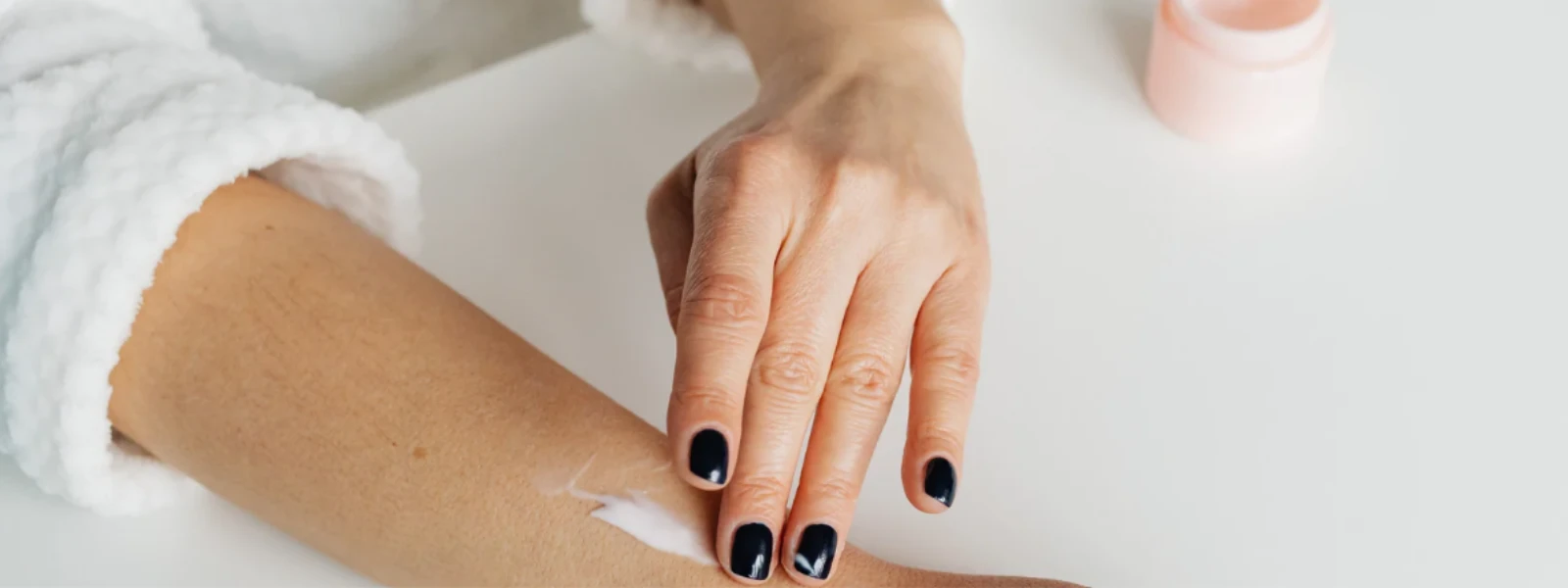
Topical scar creams offer a convenient middle ground between home remedies and professional treatments. The key is choosing products with proven ingredients that target your specific concerns. Retinoids help with post acne marks by speeding up cell turnover. This reveals fresher skin underneath and can gradually fade discoloration. Start with lower concentrations to avoid irritation.
Hydroquinone works for scar lightening by inhibiting melanin production. This helps with dark spots and skin discoloration treatment. Use sun protection when using hydroquinone products. Glycolic acid gently exfoliates the skin surface. Regular use can improve texture and reduce the appearance of shallow scars. This ingredient works well for overall skin smoothing.
Match your product to your scar type. Gel formulations work well for oily skin, while cream formulas suit dry skin better. Look for products with multiple active ingredients for comprehensive treatment.
Natural scar remedies appeal to many people seeking gentler alternatives. While results may take longer, some natural ingredients show real promise for improving scar appearance. Aloe vera contains compounds that reduce inflammation and promote healing. Fresh gel from the plant works best, but quality commercial products can also be effective. Apply twice daily to clean skin.
Rosehip oil contains vitamins and fatty acids that support skin repair. This oil absorbs well and won't clog pores. Massage gently into scars twice daily for several months. Vitamin E oil has mixed research results. While some people swear by it, studies show it may actually worsen some scars. Test on a small area first if you want to try this remedy.
Medical-grade honey has antibacterial and healing properties. Manuka honey shows particular promise for wound healing and may help with fresh scars. Apply a thin layer and cover with a bandage.
Different scars need different approaches. Understanding your scar type helps you choose the most effective treatment strategy. Acne scar removal depends on the specific type you're dealing with. Ice pick scars are narrow and deep, requiring treatments that reach into the dermis. Rolling scars have a wave-like appearance and respond well to subcision or dermal fillers.
Boxcar scars have defined edges and flat bottoms. These often improve with resurfacing treatments like chemical peels or laser therapy. Combination approaches work best for mixed scar types.
Scars on the body face different challenges than facial scars. Clothing friction and sun exposure can affect healing. Keep body scars moisturized and protected from UV damage.
The best scar treatment starts with proper wound care. Clean wounds heal better and are less likely to leave prominent scars. Keep injuries moist with appropriate dressings and avoid picking at healing skin. Sun protection is crucial during the healing process. UV exposure can darken scars and make them more noticeable. Use broad-spectrum sunscreen daily, even on cloudy days.
Gentle scar massage can improve flexibility and appearance. Use circular motions with light pressure. This helps break up rigid scar tissue and improves blood flow to the area.
The fastest results come from combining silicone products with professional treatments like laser therapy or chemical peels. Consistent daily care and sun protection also speed healing.
Silicone sheets and gels are considered the gold standard for scar treatment. They work by creating an optimal healing environment and are backed by extensive research.
Combination treatments work fastest. Try silicone products with retinoids or glycolic acid. Professional treatments like microneedling or laser therapy can accelerate results.
Consistent use of rosehip oil, aloe vera, and gentle exfoliation can improve old scars over time. Natural methods require patience but can show gradual improvement.
While home treatments can significantly improve scar appearance, complete removal usually requires professional intervention. Set realistic expectations and celebrate gradual improvements.
Effective scar treatment combines understanding your scar type with choosing appropriate remedies. Professional treatments offer the fastest results, while natural remedies provide gentler alternatives. The key to success is consistency and patience. Remember that every scar tells a story of your body's amazing ability to heal itself. With the right approach, you can help that story have a happier ending.
