


Preventing Post-Acne Marks vs. Treating Them: A Comparison
Your Cart
0You May Also Like
Dealing with acne is challenging enough, but the marks left behind can feel even more frustrating. Whether you're currently battling breakouts or looking at stubborn dark spots from past pimples, understanding the difference between prevention and treatment approaches is crucial for achieving clear, even-toned skin. The good news? Both strategies can work together to give you the best possible results. Let's explore how to prevent post-acne marks before they form and the most effective ways to treat existing ones, so you can make informed decisions about your skincare journey.
Before diving into prevention and treatment strategies, it's essential to understand what we're dealing with. Post-acne marks aren't all the same, and knowing the difference helps you choose the right approach for your specific concerns.
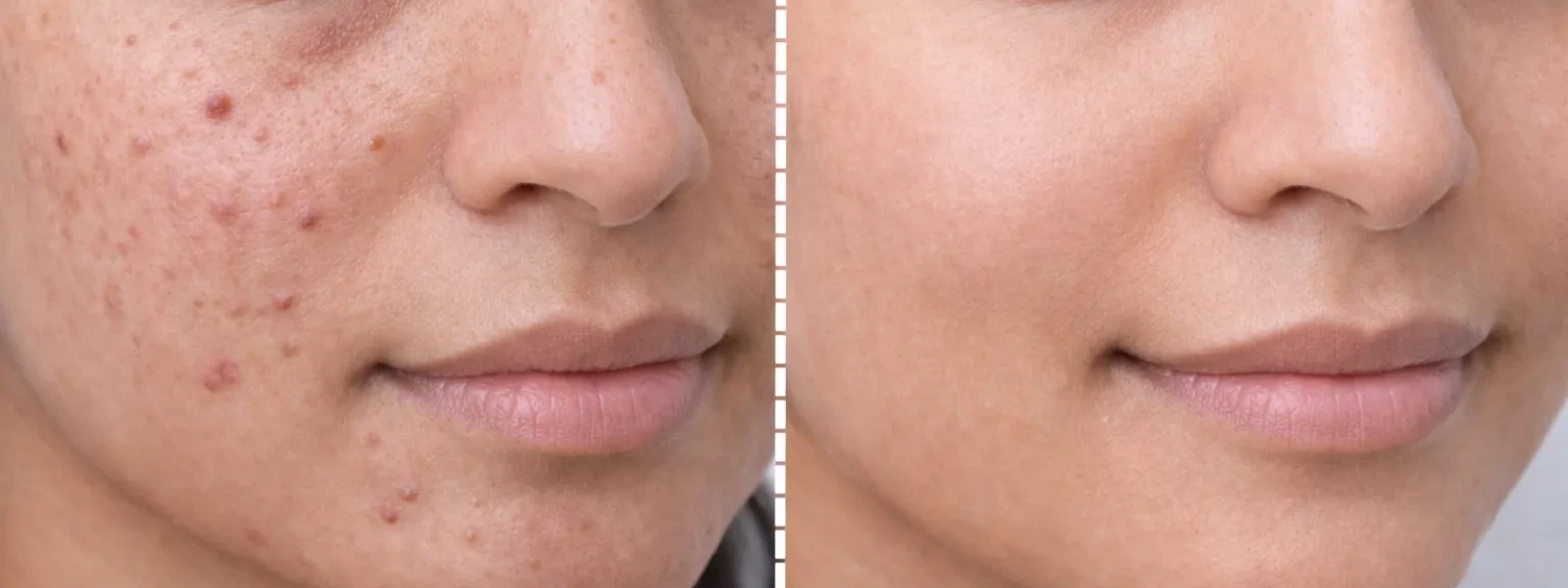
Dark spots from pimples typically fall into two categories. Post-inflammatory hyperpigmentation (PIH) appears as brown or black marks, especially common on deeper skin tones. These occur when inflammation triggers excess melanin production. On the other hand, red marks after acne are called post-inflammatory erythema (PIE), which shows up as pink or red discoloration from dilated capillaries beneath the skin.
Several factors influence whether you'll develop skin discoloration from acne. Genetics play a significant role, as does your skin type and how your body responds to inflammation. People with darker skin tones are more prone to PIH, while those with lighter skin often experience PIE. The severity and duration of inflammation also matter – deeper, more inflamed breakouts are more likely to leave marks behind.
The old saying "prevention is better than cure" couldn't be more accurate when it comes to post-acne marks. Preventing acne scars and marks is generally easier, more cost-effective, and less time-consuming than treating them after they've formed.
The key to prevention lies in treating active breakouts quickly and effectively. When you notice a pimple forming, resist the urge to pick or squeeze it. Instead, use targeted treatments with ingredients like salicylic acid or benzoyl peroxide to reduce inflammation. For persistent or severe acne, consulting a dermatologist early can prevent the deep inflammation that leads to lasting marks.
Your acne skin care routine should focus on healing acne blemishes without causing additional trauma to the skin. Use gentle, non-comedogenic cleansers and avoid harsh scrubbing or over-exfoliation. When you do get a breakout, apply ice to reduce inflammation and use spot treatments rather than picking at the skin.
Daily sunscreen application is perhaps the most crucial step in preventing post-acne marks. UV exposure can darken existing inflammation and make marks more likely to form. Choose a broad-spectrum SPF 30 or higher that won't clog pores, and reapply throughout the day, especially if you're using acne treatments that increase sun sensitivity.
If prevention wasn't possible or marks have already formed, don't lose hope. Modern post-acne scar treatment options can significantly improve the appearance of existing marks, though they require patience and consistency.
Several ingredients excel at acne mark removal. Retinoids boost cell turnover, helping marks fade faster. Vitamin C brightens existing discoloration and prevents new marks from forming. Kojic acid and hydroquinone specifically target hyperpigmentation after acne, while niacinamide reduces inflammation and helps regulate melanin production. These ingredients work best when used consistently over several months.
For stubborn marks that don't respond to topical treatments, professional procedures can accelerate results. Chemical peels remove the top layer of damaged skin, revealing fresher skin underneath. Laser treatments target specific pigmentation, while microneedling stimulates collagen production to improve skin texture and tone.
While natural remedies like aloe vera, honey, and turmeric can provide some benefits for soothing inflammation, they're generally less effective than clinically proven ingredients for actually fading marks. They work best as supportive treatments alongside more potent options.
Understanding the practical differences between prevention and treatment helps you make informed decisions about your skincare investment and timeline expectations.
Prevention typically costs ₹2,000-5,000 monthly for a good skincare routine including cleanser, treatment products, and sunscreen. Treatment costs vary widely – topical treatments range from ₹1,500-8,000 per product, while professional procedures can cost ₹5,000-25,000 per session, often requiring multiple treatments.
Prevention shows immediate benefits by stopping new marks from forming, while treatment requires 3-12 months to see significant improvement in existing marks. The key is managing expectations – even the best treatments rarely achieve 100% mark removal, but can dramatically improve skin appearance.
The most effective approach combines prevention and treatment strategies in a comprehensive routine that addresses both current breakouts and existing marks.
Start with a gentle cleanser, apply any treatment serums to clean skin, follow with a lightweight moisturizer, and finish with broad-spectrum sunscreen. This routine protects against new damage while treating existing concerns.
Evening routines can be more intensive since you don't need sun protection. Double cleansing removes the day's buildup, followed by treatment products like retinoids or vitamin C serums. Always finish with a nourishing moisturizer to support the skin barrier.
Some marks fade naturally over 6-24 months, but this varies greatly depending on skin type, mark severity, and sun exposure. Darker skin tones may see marks persist longer without treatment, while red marks often fade faster than brown ones.
Most topical treatments show initial improvements in 4-6 weeks, with significant results visible after 3-6 months of consistent use. Professional treatments may show faster results but often require multiple sessions spaced weeks apart.
Absolutely! The best approach combines both strategies. Continue using gentle acne treatments and sunscreen to prevent new marks while incorporating mark-fading ingredients to address existing discoloration.
Combination therapy works best – using topical treatments like retinoids and vitamin C consistently, protecting skin from sun damage, and considering professional treatments for stubborn marks. Patience and consistency are key to success.
Whether you're focused on prevention or treatment, consistency is your best friend in the journey to clear, even-toned skin. Prevention remains the most effective and economical approach, but don't be discouraged if you're dealing with existing marks – modern treatments can achieve remarkable improvements. Remember that everyone's skin responds differently, so what works for others might need adjustment for your specific needs. The most important step is starting with a gentle, consistent routine and being patient with the process. Your skin will thank you for the care and attention you give it, whether you're preventing future marks or working to fade existing ones.
