


How to Treat Clogged Pores Naturally for Indian Women
Your Cart
0You May Also Like
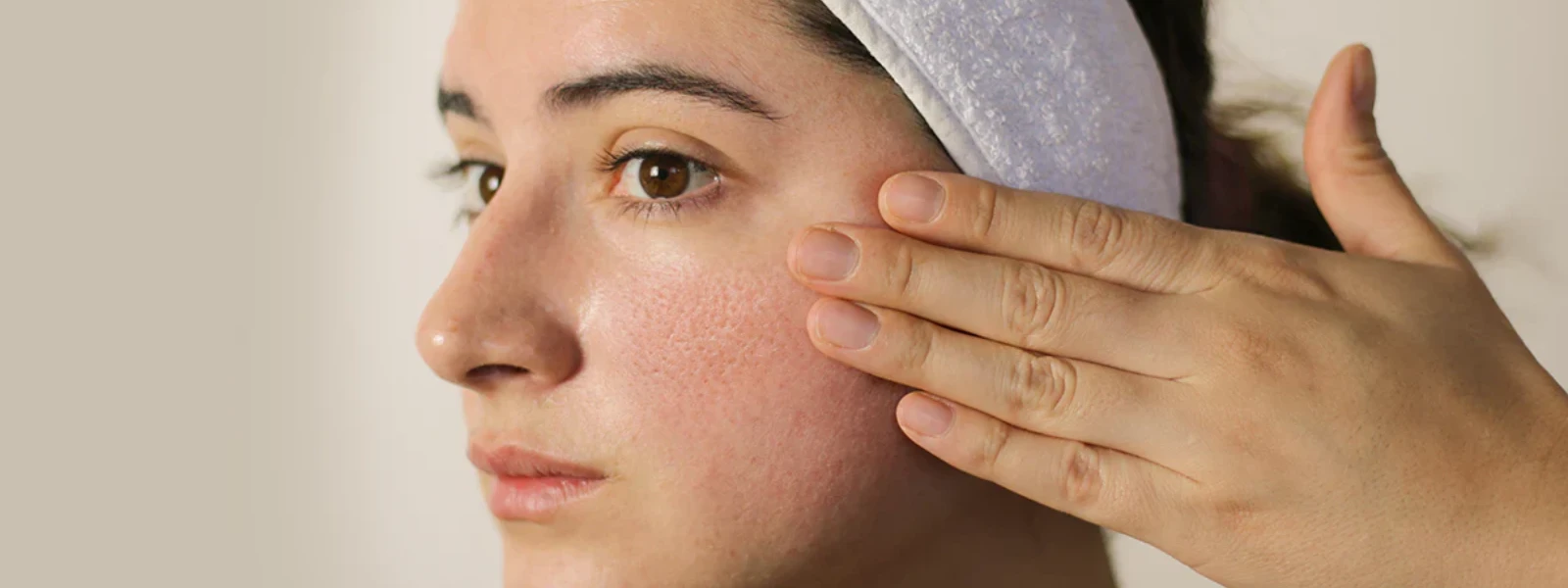
Clogged pores affect nearly 80% of Indian women at some point in their lives, yet most skincare advice ignores how our climate, genetics, and melanin-rich skin respond differently to treatments. The humid weather, pollution levels, and natural oil production patterns in Indian skin create a perfect storm for blackheads, whiteheads, and enlarged pores. While expensive treatments promise quick fixes, the most effective solutions often come from ingredients that have been trusted for generations. Traditional remedies like multani mitti, neem, and turmeric aren't just cultural practices—they're scientifically proven to address the root causes of clogged pores. Understanding how to treat clogged pores naturally for Indian women means combining this ancient wisdom with modern knowledge about what actually works for our skin type.
• Natural ingredients like multani mitti, neem, and besan effectively unclog pores by absorbing excess oil and gently exfoliating dead skin cells without over-drying melanin-rich skin.
• A consistent routine using DIY masks 2-3 times weekly, combined with daily gentle cleansing and natural toning, shows visible results in 4-6 weeks.
• Steam treatments, clay masks, and fruit-based exfoliants work particularly well for Indian skin types when used correctly and consistently.
Clogged pores happen when dead skin cells, oil, and debris get trapped in your hair follicles. On Indian skin, this process looks slightly different than what you see in most skincare guides. Blackheads appear darker and more prominent against our skin tone, while whiteheads can sometimes leave behind dark marks that last for weeks or months.
The T-zone—your forehead, nose, and chin—tends to be the main trouble area, but many Indian women also deal with clogged pores on their cheeks and jawline. This happens because our skin naturally produces more oil in response to humidity, heat, and pollution exposure.
Several factors make Indian women more prone to clogged pores. High humidity levels keep sweat and oil on the skin longer, while pollution particles mix with natural oils to create a sticky layer that blocks pores. Genetics also play a role—many of us inherit naturally active sebaceous glands that produce more oil than other skin types.
Hormonal fluctuations during menstruation, pregnancy, or stress can trigger even more oil production. Add in spicy foods, which can temporarily increase circulation and oil flow, and you have a recipe for persistent pore problems.
Ayurveda has been treating oily, acne-prone skin for thousands of years with ingredients that are still scientifically proven today. These natural pore unclogging remedies work by balancing oil production, removing impurities, and preventing bacterial growth without stripping the skin.
Fuller's earth, or multani mitti, is probably the most effective natural ingredient for unclogging pores. It works like a magnet, pulling oil, dirt, and toxins out of your pores while tightening them temporarily. Mix 2 tablespoons of multani mitti with enough rose water to make a smooth paste. Apply to clean skin, avoiding the eye area, and leave for 15-20 minutes until completely dry. Rinse with lukewarm water and follow with a light moisturizer.
This combination targets the bacteria that cause acne while reducing inflammation. Grind fresh neem leaves with a pinch of turmeric and enough water to make a paste. Apply directly to clogged pores and leave for 10 minutes before rinsing. The antibacterial properties of neem combined with turmeric's anti-inflammatory effects make this one of the best herbal treatments for acne-prone skin.
Home remedies for blackheads and clogged pores work best when you use them consistently. These masks provide natural exfoliation for clear skin without the harsh chemicals that can irritate melanin-rich skin or cause dark spots.
Gram flour (besan) provides gentle physical exfoliation while yogurt's lactic acid dissolves dead skin cells chemically. Mix 3 tablespoons besan with 2 tablespoons plain yogurt and a teaspoon of honey. Massage gently onto damp skin in circular motions, then leave for 10 minutes before rinsing. This mask works as both a cleanser and exfoliant.
Soak 1/4 cup rice in water for 30 minutes, then strain the water. Add a few drops of fresh lemon juice. This natural toner tightens pores and removes excess oil without over-drying. Use it twice daily after cleansing.
Tomatoes contain natural salicylic acid, while oatmeal provides gentle exfoliation. Blend half a ripe tomato with 2 tablespoons ground oatmeal. Apply to clean skin and leave for 15 minutes. This mask is particularly effective for oily skin and large pores.
Organic skincare for clogged pores focuses on ingredients that work with your skin's natural processes rather than against them. These ingredients have been proven effective through both traditional use and modern research.
Different clays work better for different skin concerns. Bentonite clay is excellent for very oily skin, while kaolin clay works well for sensitive skin. French green clay falls somewhere in between and is ideal for most Indian skin types. Use clay masks 1-2 times per week for best results.
Papaya contains papain enzyme, which dissolves dead skin cells naturally. Mash ripe papaya and apply as a mask for 10 minutes. Pineapple and orange peels also contain natural acids that help clear pores when used fresh.
Consistency matters more than intensity when treating clogged pores naturally. A simple daily routine prevents new clogs from forming while gradually clearing existing ones.
Start with a gentle cleanser made from besan and milk, or use a mild soap-free cleanser. Follow with rose water as a natural toner, then apply a light, non-comedogenic moisturizer. Always finish with sunscreen to prevent dark spots from forming if you do get breakouts.
Remove makeup and sunscreen with oil cleansing using jojoba or coconut oil. Follow with your regular cleanser. Once or twice a week, do a steam treatment by holding your face over a bowl of hot water with a few drops of tea tree oil for 5-10 minutes. This opens pores for deeper cleaning.
Most people see improvement in 4-6 weeks with consistent use. Blackheads may clear faster, within 2-3 weeks, while deeper clogs and enlarged pores take longer to respond. The key is using treatments regularly rather than sporadically.
When used correctly, natural ingredients are less likely to cause post-inflammatory hyperpigmentation than harsh chemicals. However, always patch test new ingredients and avoid over-scrubbing, which can irritate skin and lead to dark marks.
Asaya's gentle cleansers and targeted serums complement natural pore treatments well. The brand's formulations are designed specifically for Indian skin and won't interfere with traditional remedies when used as part of a balanced routine.
Most natural ingredients like multani mitti, besan, and oatmeal are safe during pregnancy. However, avoid essential oils and always consult your doctor if you're unsure about any ingredient.
Natural pore treatments work because they address the root causes of clogged pores without disrupting your skin's natural balance. The key is finding the right combination of ingredients for your specific skin type and using them consistently. Start with one or two treatments and gradually build your routine as your skin adjusts.
For those dealing with persistent dark spots from past breakouts, combining these natural treatments with targeted ingredients can accelerate results. Asaya's MelaMe™ Complex represents advanced skincare engineering designed specifically for melanin-rich skin. This melanin-first molecule visibly treats discoloration and restores pigment balance within 2 weeks of regular use. It works by breaking down existing melanin deposits into re-absorbable amino acids while inhibiting excess melanin production, making it an excellent complement to natural pore-clearing treatments for achieving truly even-toned, clarified skin.
