


How to Treat Acne Without Drying Your Skin
Your Cart
0You May Also Like
Dealing with acne while trying to keep your skin hydrated feels like walking a tightrope. Most acne treatments promise clear skin but leave you with tight, flaky, irritated skin that looks worse than when you started. The truth is, you don't have to choose between clear skin and comfortable skin. Understanding how to treat acne without stripping away your skin's natural moisture barrier is the key to achieving both goals. When your skin is properly hydrated, it actually heals faster and is less prone to the inflammation that causes breakouts in the first place.
The biggest misconception about acne treatment is that you need to dry out your skin to get rid of breakouts. This approach often backfires because when your skin becomes too dry, it overcompensates by producing more oil, leading to more clogged pores. Acne-prone dry skin presents unique challenges that require a different approach than traditional acne treatments.
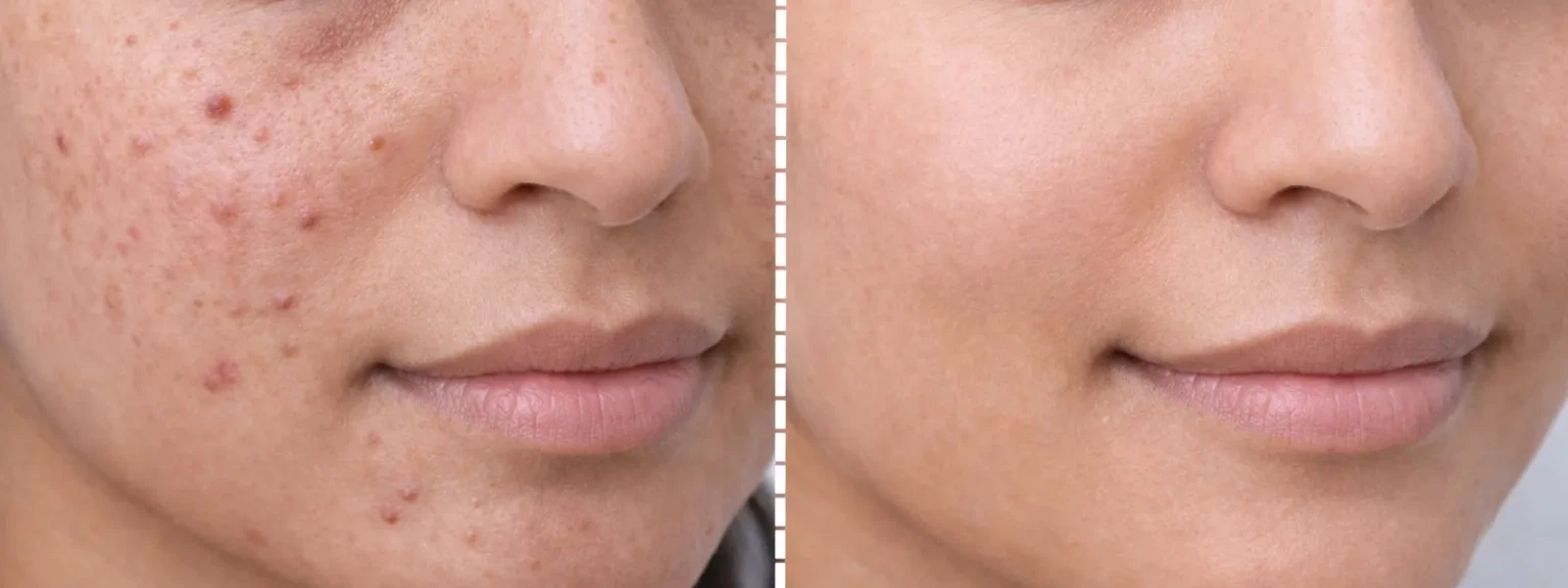
Dry skin acne typically appears as small, flesh-colored bumps, blackheads without surrounding oiliness, and skin that feels tight or flaky around breakout areas. Unlike oily acne, these blemishes often take longer to heal and can leave behind dark marks more easily. The skin barrier becomes compromised when it's too dry, making it harder for your skin to protect itself against bacteria and heal from inflammation.
The secret to gentle acne treatments lies in choosing ingredients that fight acne while supporting your skin's moisture barrier. Not all acne-fighting ingredients are created equal, and some can actually help maintain hydration while clearing breakouts.
Salicylic acid is one of the gentlest yet effective acne treatments available. Unlike harsh scrubs, it works by gently dissolving the bonds between dead skin cells, allowing them to shed naturally without over-drying. Niacinamide is another powerhouse ingredient that reduces inflammation and regulates oil production while actually helping your skin retain moisture. It's particularly effective for those dealing with both acne and sensitivity.
Hyaluronic acid can hold up to 1000 times its weight in water, making it perfect for maintaining moisture in acne-prone skin. Ceramides help repair and strengthen your skin barrier, while aloe vera provides natural antibacterial properties with soothing benefits. These ingredients work together to create an environment where your skin can heal without becoming irritated or overly dry.
Creating a hydrating acne skincare routine requires careful balance and timing. The goal is to address acne while maintaining your skin's natural moisture levels throughout the day and night.
Start your morning with a gentle, cream-based cleanser that removes overnight buildup without stripping your skin. Follow with a lightweight, non-comedogenic moisturizer that contains hydrating ingredients like hyaluronic acid or niacinamide. Always finish with broad-spectrum SPF 50 sunscreen to protect your healing skin from UV damage that can worsen both acne and dryness.
Evening is the perfect time for targeted acne treatments. Apply your salicylic acid or other acne-fighting ingredients to clean skin, then wait 10-15 minutes before layering on a nourishing moisturizer. This "sandwich method" helps prevent irritation while ensuring your treatments can work effectively. Consider incorporating gentle exfoliation once or twice weekly to help cell turnover without over-drying.
When looking for acne remedies for dry skin, natural ingredients can provide gentle yet effective solutions. However, it's important to choose remedies that have been proven safe and effective rather than experimenting with potentially irritating DIY treatments.
Jojoba oil closely mimics your skin's natural sebum, making it an excellent choice for balancing oil production without clogging pores. Green tea contains powerful antioxidants and anti-inflammatory compounds that can soothe irritated skin while fighting acne-causing bacteria. Oatmeal masks provide gentle exfoliation and have natural anti-inflammatory properties that calm redness and irritation.
While natural sounds appealing, some popular DIY treatments can actually worsen dry skin acne. Avoid lemon juice, baking soda, or alcohol-based toners, as these can disrupt your skin's pH balance and cause more irritation. When in doubt, stick to proven ingredients and consult with a dermatologist for persistent acne concerns.
Choosing the right balancing acne products means looking for formulations specifically designed for sensitive, dry skin types. The key is finding products that address acne without compromising your skin barrier.
Cream-based cleansers are generally better for dry, acne-prone skin than foaming gels, which can be too stripping. Look for cleansers containing gentle acids like salicylic acid or lactic acid, which can help prevent clogged pores without over-drying. Avoid sulfates and harsh detergents that can disrupt your skin barrier.
The timing and layering of your products can make a significant difference in how your skin responds. Apply thinner, water-based treatments first, followed by thicker, oil-based moisturizers. This ensures maximum absorption while creating a protective barrier that locks in moisture throughout the day.
Learning how to manage acne without irritation involves understanding your skin's limits and adjusting your routine accordingly. The goal is consistent, gentle treatment rather than aggressive approaches that can cause more harm than good.
The "sandwich method" involves applying a thin layer of moisturizer, followed by your acne treatment, then another layer of moisturizer. This technique helps buffer potentially irritating ingredients while ensuring they can still work effectively. Start with treatments every other day and gradually increase frequency as your skin builds tolerance.
Your skincare routine is just one piece of the puzzle. Staying hydrated, getting adequate sleep, and managing stress all play crucial roles in maintaining healthy skin. Consider using a humidifier in dry environments and avoid hot showers that can strip your skin's natural oils.
Start with hydrating cleansers containing gentle actives like salicylic acid, and always follow with a non-comedogenic moisturizer containing hyaluronic acid and niacinamide. Use the sandwich method when applying treatments and introduce new products gradually.
Use a gentle, cream-based cleanser, apply treatments only to affected areas, and layer a hydrating serum under your moisturizer. Focus on repairing your skin barrier with ceramides and avoiding over-exfoliation.
Avoid picking, use gentle exfoliation 1-2 times weekly, apply targeted spot treatments, and maintain consistent hydration. Be patient, as dry skin acne often takes longer to heal than oily skin acne.
Small, flesh-colored bumps, blackheads without surrounding oil, and skin that feels tight or flaky around breakouts. The skin may appear dull and take longer to heal from blemishes.
Treating acne without drying your skin is absolutely possible with the right approach and products. Focus on gentle, hydrating formulations that support your skin barrier while addressing breakouts. Remember that consistency and patience are key – your skin needs time to adjust to new routines and heal properly. By choosing soothing acne treatments and maintaining proper hydration, you can achieve clear, comfortable skin without the irritation and dryness that often comes with traditional acne treatments.
