


How to Treat Acne Scars on Indian Skin Effectively
Your Cart
0You May Also Like
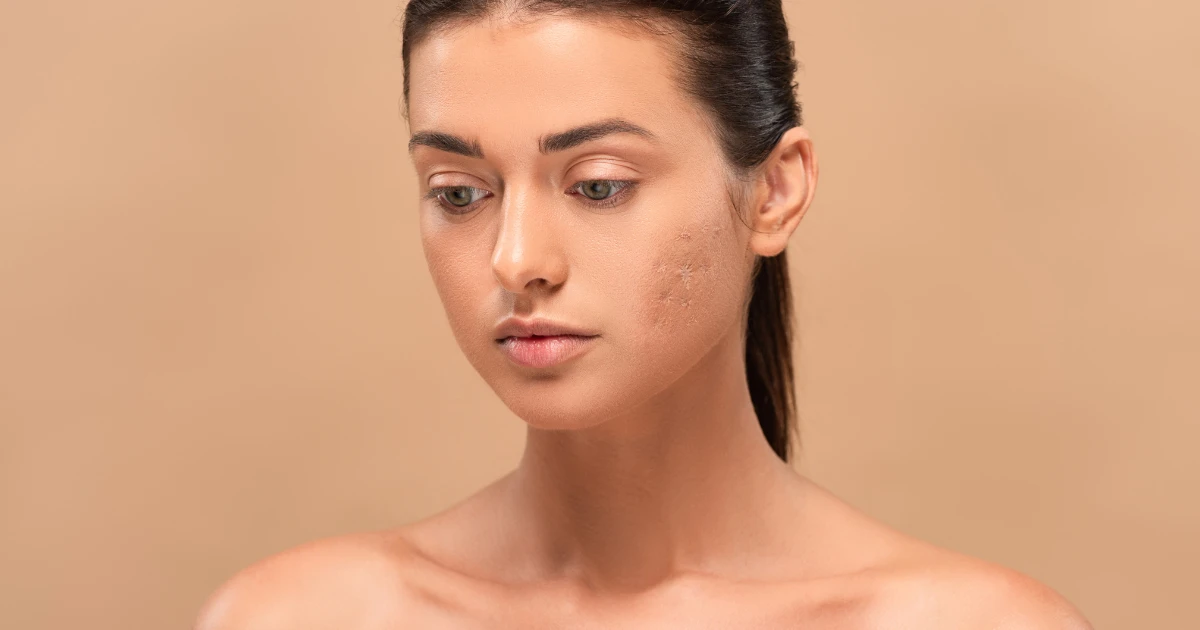
Dealing with acne scars on Indian skin requires a specialized approach that considers our unique skin characteristics. Indian skin, typically classified as Fitzpatrick types IV-VI, has higher melanin content that makes it more prone to post inflammatory hyperpigmentation and requires gentler treatment methods. Unlike lighter skin tones, aggressive treatments can often worsen scarring and create dark spots that last for months or even years. Understanding these differences is crucial for effective acne scars treatment that actually improves your skin rather than causing additional damage.
Indian skin behaves differently when it comes to healing and scar formation. The higher melanin content that gives us our beautiful skin tone also makes us more susceptible to developing dark spots after any inflammation or injury. When acne heals, the inflammatory process often triggers excess melanin production, leading to those stubborn dark marks that can persist long after the original pimple has disappeared.
This process, known as post inflammatory hyperpigmentation, is actually more common than true acne scarring in Indian skin. Many people mistake these dark spots for permanent scars, but they're actually a form of temporary discoloration that can be treated effectively with the right approach.
Traditional acne scar treatments were often developed for lighter skin tones and can be too harsh for acne scars Indian skin. High-concentration chemical peels, aggressive laser treatments, and strong retinoids can trigger more inflammation, leading to worse hyperpigmentation. This is why it's essential to work with treatments specifically designed for darker skin tones.
Before starting any treatment, it's important to identify what type of scarring you're dealing with. Indian skin tends to develop specific patterns of scarring that require different treatment approaches. Understanding these acne scar types helps you choose the most effective treatment method.
The most common issue isn't actually scarring at all, but rather Indian skin hyperpigmentation that creates the appearance of permanent marks. However, true scarring does occur and can be categorized into several distinct types.
This is by far the most common concern for Indian skin. These dark spots appear flat against the skin surface and range from brown to almost black in color. They're not true scars but rather areas where melanin has accumulated due to inflammation.
These create depressions in the skin and include ice pick scars (deep, narrow holes), boxcar scars (wider depressions with defined edges), and rolling scars (wave-like undulations). Indian skin can develop all these types, though rolling scars are particularly common.
Indian skin has a higher tendency to develop raised scars, especially on the jawline, chest, and back. These occur when the body produces too much collagen during healing, creating thick, raised areas that extend beyond the original acne lesion.
When home remedies for acne scars aren't providing the results you need, professional treatments offer more dramatic improvements. However, choosing the right dermatologist acne scar treatment is crucial for Indian skin to avoid complications and achieve the best results.
The key is finding treatments that are effective yet gentle enough not to trigger additional hyperpigmentation. This often means using lower concentrations, longer treatment intervals, and careful monitoring throughout the process.
Chemical peels for acne scars can be highly effective when done correctly. Glycolic acid peels at lower concentrations (20-30%) are often the starting point, as they gently exfoliate the top layer of skin and encourage cell turnover. Salicylic acid peels are particularly beneficial for Indian skin because they're oil-soluble and can penetrate pores effectively while being less likely to cause irritation.
Laser treatment for acne scars on Indian skin requires specialized equipment and expertise. Nd:YAG lasers are often preferred because they're safer for darker skin tones and less likely to cause hyperpigmentation. Picosecond lasers can be excellent for treating dark spots without affecting the surrounding skin.
Microneedling with radiofrequency can be particularly effective for Indian skin because it stimulates collagen production without the heat damage that can trigger hyperpigmentation. This treatment works well for rolling scars and can improve overall skin texture.
Many effective home remedies for acne scars work particularly well on Indian skin because they use gentle, natural ingredients that have been used in traditional skincare for centuries. These treatments can be surprisingly effective, especially for post-inflammatory hyperpigmentation.
The key to success with home treatments is consistency and patience. While professional treatments might show results in weeks, natural remedies typically take 2-3 months of regular use to show significant improvement.
Turmeric contains curcumin, a powerful anti-inflammatory compound that can help reduce hyperpigmentation. Mix turmeric powder with honey or yogurt to create a gentle mask that can be used 2-3 times per week. Always use a small amount and test on a patch of skin first, as turmeric can temporarily stain the skin yellow.
Fresh lemon juice contains natural vitamin C and citric acid, but it must be used carefully on Indian skin. Always dilute lemon juice with equal parts water and never apply before sun exposure, as it can increase photosensitivity and potentially worsen hyperpigmentation.
Rosehip oil is rich in vitamin C and essential fatty acids that can help fade dark spots over time. Apply a few drops to clean skin before moisturizer. Niacinamide serums are also excellent for reducing hyperpigmentation and are generally well-tolerated by Indian skin.
Successful acne scar removal requires a systematic approach that addresses active acne first, then focuses on scar treatment and prevention. This phased approach ensures you don't waste time and money treating scars while new ones are still forming.
The best acne scar treatment Indian skin approach combines professional treatments with consistent home care and strict sun protection. This comprehensive strategy addresses all aspects of scar formation and healing.
Before treating existing scars, you must get active acne under control. Use gentle, non-comedogenic products that won't clog pores or cause additional inflammation. Salicylic acid cleansers and niacinamide serums are excellent starting points for Indian skin.
Once acne is controlled, begin introducing scar-fighting ingredients gradually. Start with vitamin C serums in the morning and gentle retinoids at night, always followed by moisturizer and sunscreen during the day.
After 3-4 months of consistent home care, consider adding professional treatments for stubborn scars. This timing allows your skin to build tolerance and reduces the risk of adverse reactions.
Prevention is always easier than treatment when it comes to Indian skin hyperpigmentation. The most important step is consistent sun protection, as UV exposure can darken existing spots and create new ones. Use a broad-spectrum SPF 30 or higher every day, even when staying indoors.
Avoid picking at acne or scabs, as this mechanical trauma can trigger more inflammation and hyperpigmentation. Keep your hands clean and resist the urge to squeeze pimples, as this almost always leads to scarring or dark spots.
Results vary depending on the type and severity of scarring. Post-inflammatory hyperpigmentation typically begins to fade within 6-8 weeks of consistent treatment, while true atrophic scars may take 3-6 months to show improvement. Professional treatments can accelerate this timeline significantly.
Home remedies are most effective for post-inflammatory hyperpigmentation and very mild scarring. Deep atrophic scars typically require professional treatment, but home remedies can significantly improve their appearance and prevent new scars from forming.
Yes, when performed by experienced dermatologists using appropriate laser types. Nd:YAG and picosecond lasers are generally safe for Indian skin, but always ensure your provider has specific experience treating darker skin tones.
Consistent home care with proven ingredients like niacinamide, vitamin C, and gentle retinoids offers the most cost-effective approach. These treatments, combined with strict sun protection, can provide significant improvement for a fraction of the cost of professional procedures.
Treating acne scars on Indian skin successfully requires understanding our unique skin characteristics and choosing appropriate treatments. The higher melanin content that makes Indian skin beautiful also makes it more prone to hyperpigmentation, requiring gentler approaches and longer treatment timelines. Focus on prevention through sun protection and gentle skincare, use proven ingredients consistently, and consider professional treatments for stubborn scarring. Remember that patience and consistency are key – most treatments take 2-3 months to show significant results, but the improvement is worth the wait.
