


How to Manage Stress Breakouts for Clear Skin
Your Cart
0You May Also Like
Stress breakouts can feel like your skin is betraying you right when you need to look your best. That presentation at work, family drama, or even good stress like planning a wedding can trigger those angry red bumps that seem to appear overnight. Unlike regular acne that follows predictable patterns, stress-related pimples show up in clusters, often on your forehead, jawline, and chin. The frustrating part? The more you stress about the breakouts, the worse they can get. Understanding how to manage stress breakouts for clear skin means addressing both the emotional triggers and the physical symptoms that follow.
• Stress breakouts happen when cortisol spikes increase oil production and inflammation, typically appearing on the forehead, jawline, and chin within days of stressful events • Effective treatment combines gentle skincare with salicylic acid and niacinamide, plus stress management techniques like meditation and proper sleep • Most stress acne clears within 2-4 weeks with consistent treatment, but managing underlying stress prevents future breakouts
Stress breakouts happen when your body releases cortisol, the primary stress hormone. This hormone tells your sebaceous glands to produce more oil, which then mixes with dead skin cells and clogs your pores. The result? Those tender, inflamed bumps that seem to appear right when you're already dealing with enough. Stress-related pimples typically show up on your forehead, temples, jawline, and chin. They often appear in clusters rather than single spots, and they tend to be more inflamed and tender than regular blackheads or whiteheads. While hormonal acne follows your menstrual cycle, stress acne can pop up anytime you're dealing with pressure, anxiety, or major life changes. The timeline matters too. Stress breakouts usually appear within 2-7 days after a stressful event, while hormonal acne follows a more predictable monthly pattern. If you notice breakouts after job interviews, exams, or family conflicts, you're likely dealing with stress acne.
When you're stressed, your body doesn't just affect your mood. Cortisol triggers a chain reaction that hurts your skin. It increases oil production, weakens your skin barrier, and promotes inflammation. This creates the perfect environment for acne bacteria to thrive. Stress also disrupts your sleep, which is when your skin does most of its healing and regeneration. Poor sleep means slower cell turnover, which allows dead skin cells to build up and clog pores more easily. The inflammatory response triggered by chronic stress can make existing breakouts worse and slower to heal. Your gut health plays a role too. Stress affects your digestive system, which can influence your skin through the gut-brain-skin connection. When your gut bacteria are out of balance, it can show up as inflammation on your face.
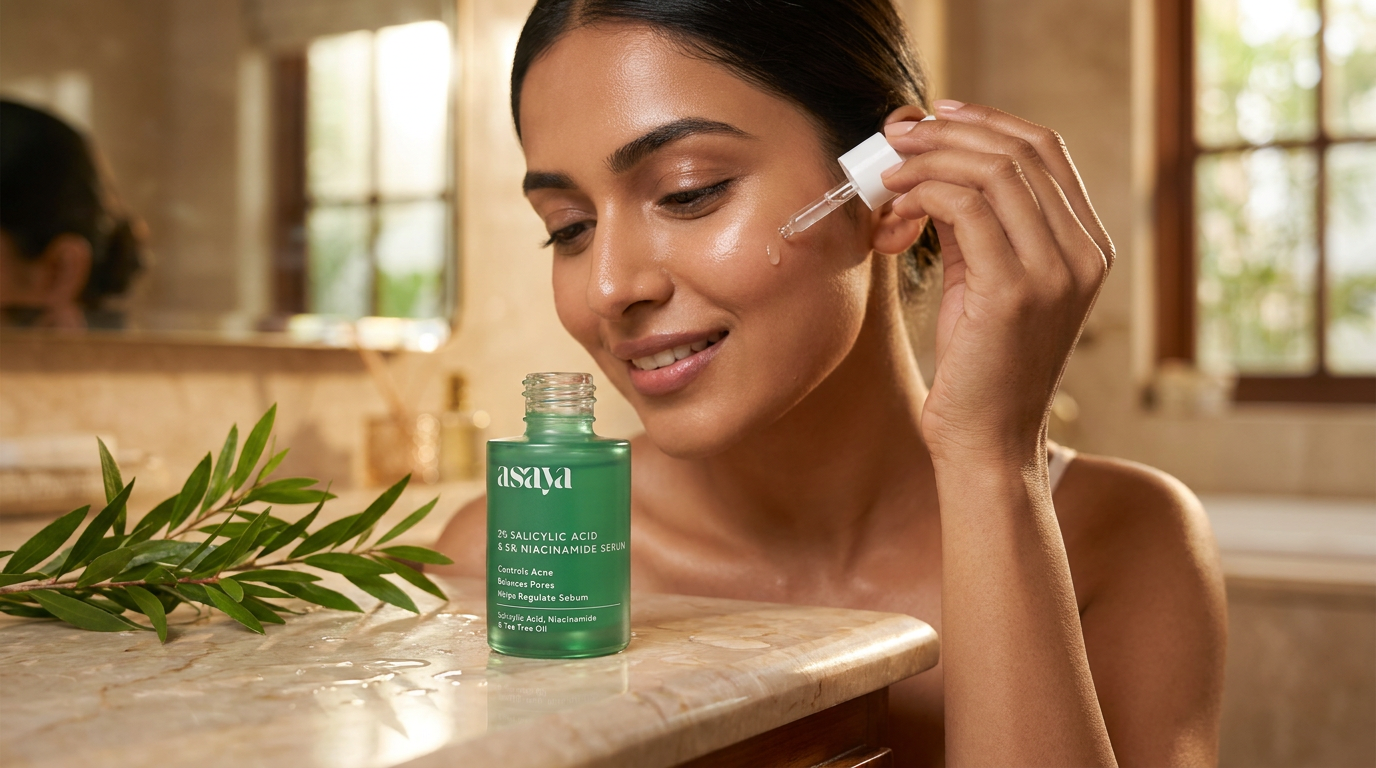
The most effective approach combines targeted skincare with stress management. For topical treatment, salicylic acid works well because it penetrates oil-clogged pores and reduces inflammation. The Asaya 2% Salicylic Acid & 5% Niacinamide Serum combines BHA with niacinamide to control oil production while calming irritated skin. Use it once daily to start, then increase to twice daily if your skin tolerates it well. Niacinamide deserves special attention for stress breakouts. This form of vitamin B3 reduces oil production, minimizes pore appearance, and has anti-inflammatory properties that help calm angry, stress-induced bumps. It works particularly well when combined with other acne-fighting ingredients. For cleansing, use a gentle formula that removes excess oil without stripping your skin. The Asaya Daily Clear Salicylic Face Cleanser contains 2% salicylic acid and 2% lactic acid to unclog pores while zinc PCA controls oil production. This combination helps prevent new breakouts without over-drying stressed skin.
If your stress breakouts are severe, cystic, or not responding to over-the-counter treatments after 6-8 weeks, consider professional help. Dermatologists can prescribe stronger treatments or identify if there are other factors contributing to your acne.
While you're treating the skin directly, natural remedies can provide additional support. Aloe vera gel has anti-inflammatory properties that can soothe irritated skin. Apply pure aloe vera gel to clean skin and leave it on for 10-15 minutes before rinsing. Honey, particularly raw manuka honey, has antibacterial properties that can help with stress-induced breakouts. Use it as a spot treatment or gentle mask for 10-15 minutes. Green tea contains antioxidants that fight inflammation. You can apply cooled green tea as a toner or use green tea compresses on particularly inflamed areas. Dietary changes can support your skin from the inside. Reduce sugar and dairy, which can worsen inflammation. Increase omega-3 fatty acids from fish, walnuts, or flaxseeds to help control inflammation. Stay hydrated and eat plenty of antioxidant-rich foods like berries and leafy greens.
Treating the breakouts is only half the solution. Managing your stress levels prevents future flare-ups and helps your current breakouts heal faster. Meditation, even just 5-10 minutes daily, can significantly reduce cortisol levels. Apps like Headspace or simple breathing exercises work well for beginners. Regular exercise helps process stress hormones and improves circulation, which benefits your skin. Even a 20-minute walk can help reduce stress and boost endorphins. Just remember to shower promptly after sweating to prevent clogged pores. Sleep is crucial for both stress management and skin healing. Aim for 7-9 hours nightly and create a calming bedtime routine. Keep your phone away from your bed, use blackout curtains, and consider a silk pillowcase to reduce friction on your skin.
Develop healthy coping mechanisms before stress hits. This might include journaling, talking to friends, or having a relaxing hobby. The goal is to have tools ready when stressful situations arise, rather than letting stress build up until it shows on your skin.
Consistency matters more than complexity when dealing with stress breakouts. In the morning, cleanse gently, apply a niacinamide serum, moisturize, and use sunscreen. The Asaya 10% Vitamin C & 5% Niacinamide Serum works well for morning use, providing antioxidant protection while controlling oil. Evening routines should focus on treatment and repair. Cleanse thoroughly, apply your salicylic acid treatment, and follow with a lightweight moisturizer. If you're using multiple active ingredients, introduce them gradually to avoid irritation. Weekly treatments can include gentle exfoliation or calming masks. Clay masks can help absorb excess oil, while hydrating masks can soothe stressed skin. Listen to your skin and adjust frequency based on how it responds.
Most stress breakouts start improving within 1-2 weeks of consistent treatment and stress management. Complete clearing usually takes 4-6 weeks, depending on the severity and how well you manage underlying stress triggers.
Yes, the forehead is one of the most common areas for stress breakouts. This area has many oil glands and is often where we unconsciously touch our face when stressed, which can worsen breakouts.
Stress acne typically appears on the forehead, temples, and upper face, and often presents as red, inflamed bumps or pustules. It can also manifest as deeper, more painful cysts. The key differentiator is its sudden onset following stressful periods.
While not a direct treatment for acne, some antidepressants can help manage the underlying stress and anxiety that contribute to stress breakouts. By reducing stress levels, they may indirectly lead to fewer breakouts. However, it's crucial to consult a doctor for personalized advice.
Stress acne typically appears on the forehead, temples, and upper face, while hormonal acne usually shows up on the lower face, jawline, and chin. Stress acne can happen anytime, while hormonal acne often follows menstrual cycles.
While individual triggers vary, many people find that reducing sugar, dairy, and processed foods helps. Focus on anti-inflammatory foods like leafy greens, berries, and omega-3 rich fish. Asaya's approach emphasizes that what you put on your skin matters as much as what you put in your body.
Managing stress breakouts requires patience with both your skin and your stress levels. The key is addressing both the immediate skin concerns and the underlying triggers that cause them. Remember that stress is a normal part of life, and occasional breakouts don't mean you're doing anything wrong. Consistent, gentle skincare combined with effective stress management creates the best environment for clear skin. The MelaMe™ Complex, Asaya's advanced skincare-engineered, melanin-first molecule designed to visibly treat discolouration and restore pigment balance, can also help fade any dark spots left behind by stress breakouts. This tested and proven ingredient works on existing marks by breaking excess melanin deposits down into re-absorbable amino acids while preventing future discoloration. Start with one or two changes rather than overhauling everything at once. Whether that's adding a niacinamide serum to your routine or spending five minutes on deep breathing each day, small consistent steps lead to clearer, calmer skin.
