

How to Identify Which Skin Type Causes Pimples
Your Cart
0You May Also Like

₹424 ₹499

₹509 ₹599

₹594 ₹699

₹424 ₹499

₹466 ₹549
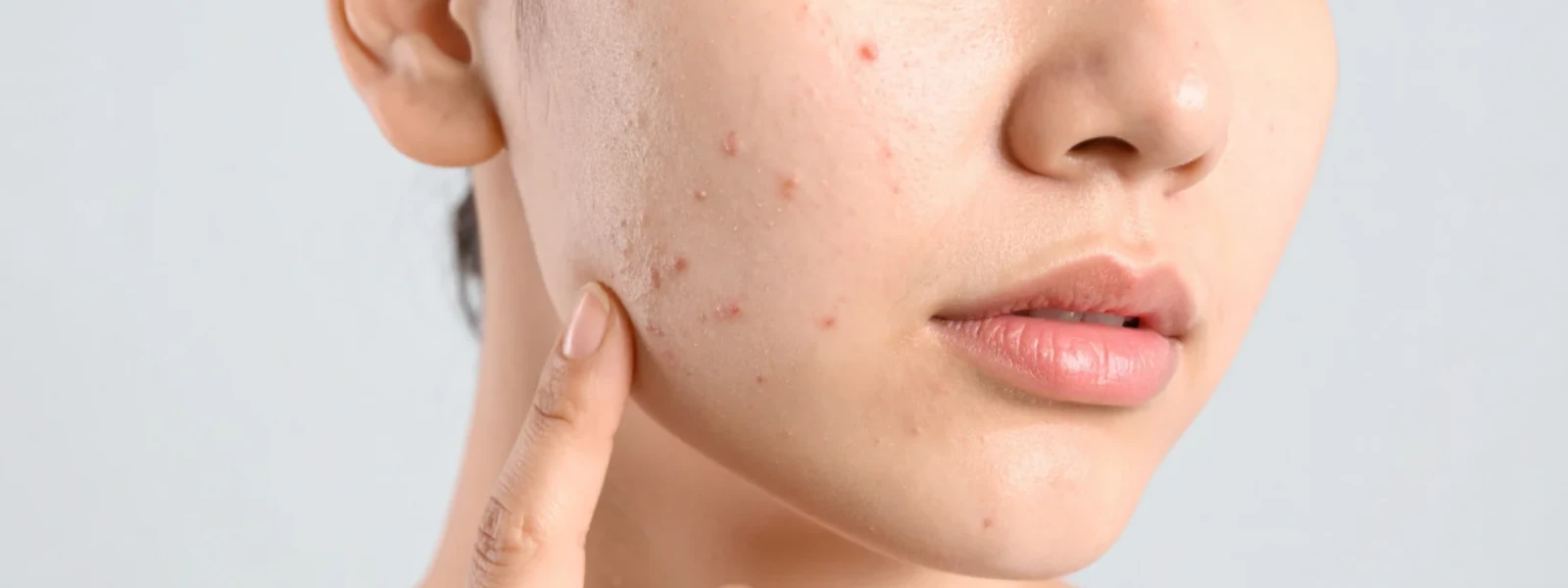
Understanding which skin type has pimples can feel confusing when you're dealing with unexpected breakouts. Many people believe only oily skin develops acne, but this common myth leaves countless individuals puzzled when they experience pimples despite having dry or sensitive skin. The truth is that acne prone skin can occur across all skin types, though the causes and presentation may differ significantly. Whether you're dealing with oily skin pimples, surprise breakouts on dry skin, or sensitive skin with blemishes, understanding your specific skin type helps you choose the most effective treatment approach. Let's explore how different skin types develop acne and what you can do to achieve clearer, healthier skin.
Oily skin remains the most susceptible to frequent breakouts due to excess sebum production. When your skin produces too much oil, it creates the perfect environment for clogged pores and bacterial growth. This overproduction of sebum combines with dead skin cells, forming plugs that lead to various types of acne.
Excess oil production creates a cascade of skin issues that promote acne formation. Your pores become enlarged to accommodate the increased sebum flow, making them more visible and prone to collecting dirt and bacteria. The combination of oil, dead skin cells, and environmental pollutants creates an ideal breeding ground for acne-causing bacteria.
Oily skin typically shows a persistent shine across the entire face, not just the T-zone. You'll notice enlarged pores, frequent skin breakouts, and a tendency for makeup to slide off throughout the day. Your skin may feel greasy within hours of cleansing, and you might experience blackheads and whiteheads regularly.
Oily skin typically develops comedonal acne, including blackheads and whiteheads, along with inflammatory pimples. You might see papules, pustules, and in severe cases, cystic acne. The abundance of oil creates conditions for both non-inflammatory and inflammatory acne types to flourish simultaneously.
Combination skin presents unique challenges because different areas of your face behave like completely different skin types. The T-zone produces excess oil while cheeks remain normal to dry, creating specific patterns of skin breakouts.
Your forehead, nose, and chin contain more sebaceous glands, naturally producing more oil than other facial areas. This concentration leads to pimples on face areas that are oilier, while dry zones rarely develop acne. Managing this requires a targeted approach that addresses both oily and dry areas appropriately.
Effective treatment involves using different products on different areas of your face. Apply oil-controlling treatments to your T-zone while using gentler, hydrating products on drier areas. This zone-specific acne skin care routine prevents over-drying normal areas while adequately treating oily zones.
Many people with dry skin experience unexpected breakouts, wondering how this is possible when their skin feels tight and flaky. Dry skin can indeed develop acne, though the underlying pimples causes differ significantly from oily skin breakouts.
When your skin barrier becomes compromised through dryness, your skin may overcompensate by producing more oil in certain areas. This reactive oil production, combined with inflammation from barrier damage, creates conditions for acne development. Dehydrated skin also becomes more sensitive to products and environmental factors.
Dry skin acne often appears as small, inflamed bumps rather than the typical blackheads and whiteheads seen in oily skin. You might notice pimples accompanied by flaking, tightness, and overall skin sensitivity. These breakouts often occur when you over-cleanse or use harsh products in an attempt to treat occasional pimples.
Sensitive skin can develop acne through different mechanisms than other skin types. Environmental triggers, product reactions, and inflammation all contribute to breakouts in sensitive skin types.
Sensitive skin reacts to various triggers including fragrances, harsh ingredients, weather changes, and stress. These reactions often manifest as inflammation, which can lead to skin breakouts. Your skin's heightened reactivity means that even gentle acne treatments might cause irritation.
Treating pimples on sensitive skin requires extra caution and patience. Focus on gentle, fragrance-free products and introduce new treatments slowly. Avoid harsh scrubs or strong active ingredients that might trigger additional inflammation and worsen existing blemishes.
Effective acne treatment depends on understanding your specific skin type and choosing appropriate methods. What works for oily skin might worsen dry skin acne, making personalized approaches essential for success.
For oily skin, focus on gentle oil control through salicylic acid cleansers and lightweight, non-comedogenic moisturizers. Dry skin needs barrier repair through ceramides and hyaluronic acid while using mild acne treatments. Combination skin requires zone-specific treatment, using stronger products on oily areas and gentler formulas on dry zones.
Severe or persistent acne across any skin type may require professional intervention. Dermatologists can prescribe targeted treatments like retinoids or antibiotics when over-the-counter options prove insufficient. However, many mild to moderate cases respond well to consistent at-home care with appropriate products.
Oily skin typically experiences more frequent breakouts due to excess sebum production, but any skin type can develop acne. The severity and frequency depend more on individual factors like genetics, hormones, and skincare habits than skin type alone.
Neither is inherently worse, but they require different treatment approaches. Oily skin pimples often respond to oil-control methods, while dry skin breakouts need gentle, hydrating treatments to avoid further irritation.
Yes, even normal skin can develop occasional breakouts due to hormonal changes, stress, product reactions, or environmental factors. Normal skin typically experiences fewer breakouts but isn't immune to acne.
Maintain consistent cleansing, avoid touching your face, eat a balanced diet, manage stress, and use gentle, non-comedogenic products. Natural ingredients like tea tree oil or honey can help, but introduce them carefully to avoid irritation.
Understanding which skin type has pimples reveals that acne can affect anyone, regardless of whether you have oily, dry, combination, or sensitive skin. The key lies in identifying your specific skin type and choosing treatments that address your unique needs. Oily skin requires oil control, dry skin needs barrier repair, combination skin demands targeted approaches, and sensitive skin calls for gentle care. Remember that effective acne treatment takes time and consistency, so be patient as you develop a routine that works for your specific skin type and concerns.
