


How to Get Rid of Acne Scars: Expert Guide
Your Cart
0You May Also Like
Dealing with acne scars can feel overwhelming, but you're not alone in this journey. These marks on your skin tell a story of battles fought, and now it's time to help your skin heal and regain its confidence. Whether you're dealing with shallow marks or deeper indentations, there are proven ways to fade these reminders of past breakouts. The key is understanding what type of scars you have and choosing the right treatment approach. From professional procedures to gentle home remedies, we'll explore every option to help you achieve smoother, clearer skin. Remember, patience and consistency are your best friends in this process.
Acne scars develop when your skin tries to heal from deep breakouts. When acne penetrates deep into your skin, it damages the tissue beneath. Your body responds by producing collagen to repair this damage. Sometimes, your body makes too little collagen, creating depressed scars. Other times, it makes too much, forming raised scars. The difference between post acne marks and true scars is important to understand. Post-inflammatory marks are flat, colored spots that fade over time. True acne scars involve changes in skin texture - either raised or depressed areas that don't go away on their own.
Atrophic scars are the most common type. These include ice pick scars (narrow, deep holes), boxcar scars (wider depressions with sharp edges), and rolling scars (broad depressions with sloping edges). Each type responds differently to treatment. Hypertrophic and keloid scars are raised above the skin surface. These form when your body produces too much collagen during healing. They're more common on the chest, back, and jawline.
Professional treatments offer the most dramatic results for acne scar removal. These procedures work by either removing damaged skin layers or stimulating new collagen production. The best approach depends on your scar type, skin tone, and healing capacity. Dermatologists have access to advanced technologies that can significantly improve even severe scarring. These treatments require expertise to perform safely and effectively.
Fractional CO2 lasers create tiny wounds in your skin, triggering natural healing and collagen production. This scar treatment for acne works well for all scar types but requires downtime for healing. Radiofrequency devices heat deeper skin layers without damaging the surface. This stimulates collagen production with minimal downtime, making it popular for busy lifestyles.
Chemical peels remove damaged skin layers, revealing smoother skin underneath. Light peels improve texture and tone with minimal downtime. Medium peels penetrate deeper for more dramatic results. The best acne scar treatment often combines different peel strengths over time. Your skin gradually improves with each treatment session.
Home treatments work slowly but can provide meaningful improvement over time. These methods are gentler on your skin and budget-friendly. Consistency is crucial for seeing results with at-home acne scar treatment. The key to success with home remedies is patience and realistic expectations. While you won't see overnight changes, steady improvement is possible with the right approach.
Retinoids speed up cell turnover, helping fade scars over time. Start with a low concentration and gradually increase as your skin adjusts. Use them at night and always wear sunscreen during the day. Alpha hydroxy acids gently exfoliate dead skin cells, improving texture and tone. Glycolic acid and lactic acid are particularly effective for shallow scars. Vitamin C serums boost collagen production and brighten dark spots. Look for stable forms like magnesium ascorbyl phosphate or sodium ascorbyl phosphate.
Aloe vera gel contains compounds that promote healing and reduce inflammation. Apply pure aloe vera gel twice daily to clean skin for gentle scar improvement. Honey has natural antibacterial and healing properties. Manuka honey is particularly effective. Apply as a mask for 15-20 minutes before rinsing with warm water.
Each type of acne scar responds differently to treatment. Understanding your specific scar type helps you choose the most effective approach. Some people have multiple scar types, requiring a combination treatment strategy. Shallow scars often respond well to topical treatments and light procedures. Deeper scars typically need more aggressive professional intervention for significant improvement.
Ice pick scars are narrow and deep, making them challenging to treat. Punch excision or TCA cross (chemical spot treatment) work well for these stubborn scars. Boxcar scars have defined edges and respond well to laser resurfacing and chemical peels. The sharp edges can be softened with proper treatment. Rolling scars benefit from treatments that break up scar tissue underneath, like subcision or microneedling with radiofrequency.
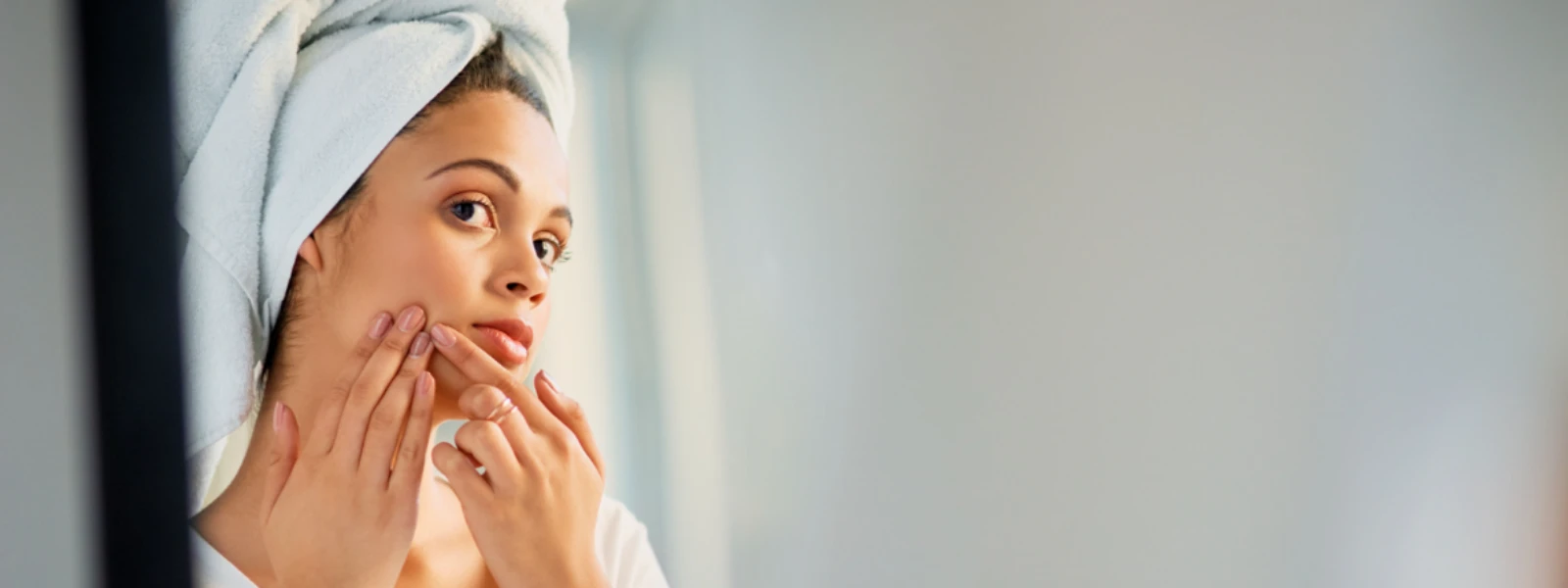
The best way to reduce acne scars is preventing them in the first place. Treat acne early and avoid picking or squeezing pimples. This prevents deep inflammation that leads to scarring. Gentle skincare is essential. Harsh scrubbing can worsen inflammation and increase scarring risk. Use mild cleansers and avoid over-exfoliating. Sun protection is crucial during and after acne treatment. UV exposure can darken scars and slow healing. Use broad-spectrum SPF 30 or higher daily.
Successful scar removal requires a personalized approach. Consider your scar type, skin sensitivity, budget, and lifestyle when choosing treatments. Some people see great results with gentle home treatments, while others need professional intervention. Combining treatments often yields the best results. You might use professional treatments for deep scars while maintaining results with at-home care.
Professional treatments typically show initial results in 4-8 weeks, with continued improvement over 3-6 months. Multiple sessions are usually needed for optimal results. Topical treatments require 3-6 months of consistent use before significant improvement becomes visible. Natural remedies may take 6-12 months to show noticeable changes.
While complete removal isn't always possible, significant improvement is achievable with the right treatment approach. Most people see 50-80% improvement with professional treatments.
Results vary by treatment type. Professional procedures show initial improvement in 4-8 weeks, while topical treatments need 3-6 months of consistent use.
Natural remedies can help with mild scarring and post-inflammatory marks. However, deeper scars typically require professional treatment for significant improvement.
Acne marks are flat, colored spots that fade over time. Acne scars involve texture changes - either raised or depressed areas that don't improve without treatment.
It's best to control active acne before focusing on scar treatment. Ongoing breakouts can interfere with healing and create new scars.
Treating acne scars is a journey that requires patience and the right approach for your specific situation. Professional treatments offer the fastest and most dramatic results, while home remedies provide gentle, gradual improvement. The key is consistency and realistic expectations. Remember that prevention is always easier than treatment, so protect your skin from future damage with gentle care and sun protection. Whether you choose professional procedures, at-home treatments, or a combination approach, improvement is possible with time and dedication.
