


How to Fade Stubborn Acne Marks on Indian Skin Naturally
Your Cart
0You May Also Like
Dealing with stubborn acne marks can feel like an endless battle, especially for those with Indian skin. Research shows that people with darker skin tones are more prone to post-inflammatory hyperpigmentation, with studies indicating that up to 65% of individuals with melanin-rich skin develop dark spots after acne breakouts. The good news? There are proven natural methods specifically designed to address the unique challenges faced by Indian skin types. Understanding how to fade stubborn acne marks on Indian skin naturally requires a targeted approach that respects your skin's melanin production while gently encouraging cellular renewal. Let's explore expert-backed solutions that actually work for our skin.
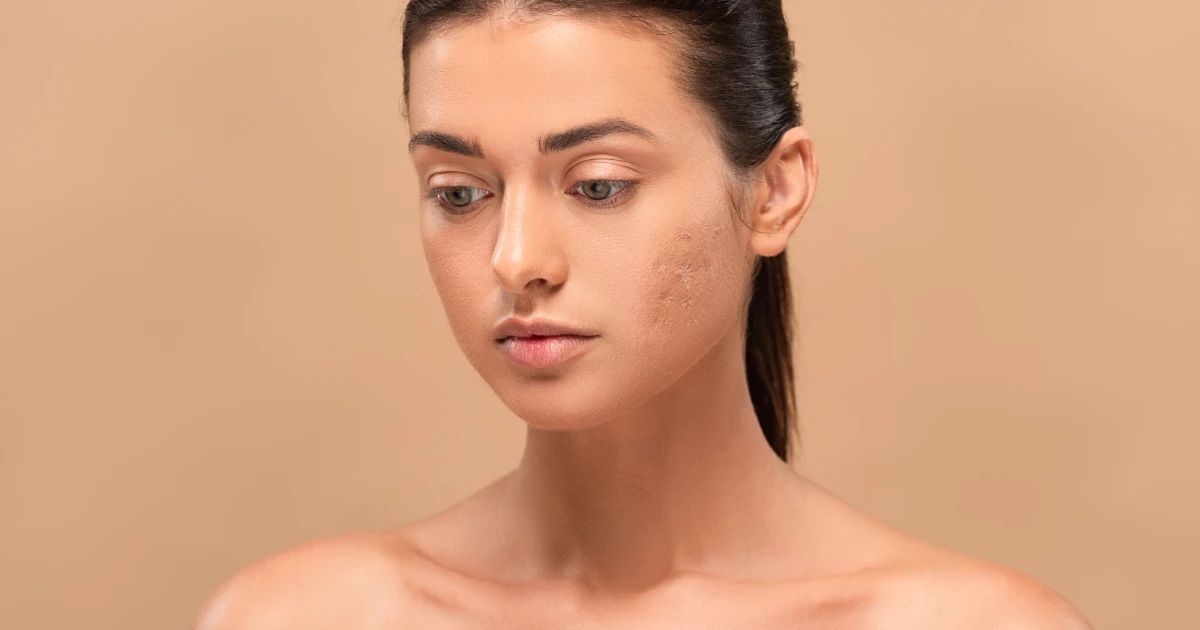
Before diving into treatments, it's crucial to understand what you're actually dealing with. Many people confuse post-acne marks removal with scar treatment, but they're entirely different conditions requiring different approaches. Post-inflammatory hyperpigmentation (PIH) appears as flat, dark spots where acne once was, while true acne scars create textural changes in the skin's surface.
Indian skin contains higher levels of melanin, which acts as a natural protector against UV damage. However, when inflammation occurs from acne, melanocytes (pigment-producing cells) go into overdrive, creating those stubborn dark spots. This process, known as hyperpigmentation remedies Indian skin specialists focus on, can persist for months or even years without proper treatment. The deeper your natural skin tone, the more pronounced these marks typically appear.
Many people unknowingly sabotage their healing process by using harsh scrubs or products designed for lighter skin tones. Over-exfoliation can actually increase inflammation, leading to darker marks. Sun exposure without adequate protection (SPF 30 or higher) can also darken existing marks and create new ones.
Nature offers powerful solutions for fade acne blemishes naturally goals. These ingredients have been used for centuries in Ayurvedic traditions and are now backed by modern dermatological research. The key is understanding proper concentrations and application methods for darker skin tones.
Turmeric contains curcumin, a powerful anti-inflammatory compound that helps reduce melanin production. Mix one teaspoon of turmeric powder with two tablespoons of raw honey to create a gentle mask. Apply for 15-20 minutes, three times weekly. This combination is particularly effective for treating pimple scars on oily skin as honey provides antibacterial benefits while turmeric targets pigmentation.
Fresh aloe vera gel contains compounds called anthraquinones that help lighten dark spots naturally. Pierce a vitamin E capsule and mix the oil with fresh aloe gel for enhanced healing properties. This gentle combination works well for sensitive Indian skin and can be used daily as part of your DIY acne scar solutions routine.
While lemon juice contains natural vitamin C, it must be properly diluted for Indian skin. Mix one part fresh lemon juice with three parts rose water. Apply with a cotton pad only in the evening, and always follow with sunscreen the next morning. This diluted mixture provides gentle exfoliation without the irritation that can worsen pigmentation.
Neem oil offers antibacterial properties while gently fading marks. Sandalwood paste mixed with milk creates a cooling treatment perfect for Indian climates. Green tea compresses provide antioxidants that support skin healing and can be used daily for best results.
When basic natural remedies aren't enough, stepping up to more concentrated natural treatments can provide the breakthrough you need. These best acne spot treatments use plant-based actives that rival synthetic ingredients in effectiveness while remaining gentle on melanin-rich skin.
Bakuchiol, derived from the Psoralea corylifolia plant, offers retinol-like benefits without irritation. This natural alternative promotes cell turnover and collagen production, making it excellent for acne scar treatment for dark skin. Rosehip oil contains natural tretinoin and vitamin C, providing gentle exfoliation that won't trigger increased pigmentation.
Fruit enzymes from papaya and pineapple offer gentle exfoliation perfect for Indian skin. Create a weekly mask using mashed papaya for natural papain enzymes. Yogurt contains lactic acid that gently removes dead skin cells while providing probiotics that support skin health. These natural acids work more slowly than synthetic versions but with significantly less risk of irritation.
If marks persist after three months of consistent natural treatment, consider consulting a dermatologist who specializes in skin of color. They can recommend professional-grade natural protocols or minimal intervention treatments that complement your natural routine.
Consistency trumps intensity when it comes to fading acne marks naturally. Your daily routine should focus on gentle cleansing, targeted treatment, and protection. This approach works particularly well for skin lightening for acne scars while maintaining your skin's natural barrier function.
Start with a gentle, pH-balanced cleanser that won't strip your skin. Apply a vitamin C serum made from natural sources like kakadu plum or camu camu. Always finish with broad-spectrum SPF 30 or higher – this step is non-negotiable for preventing further darkening of existing marks.
Double cleanse to remove sunscreen and daily pollutants completely. Apply your chosen natural active ingredient (turmeric mask, aloe treatment, or natural retinol alternative). Follow with a nourishing moisturizer to support skin barrier repair overnight.
Incorporate gentle exfoliation once or twice weekly using natural fruit enzymes. Schedule your intensive masks (turmeric-honey, sandalwood) for consistent application. Track your progress with weekly photos to monitor improvement and adjust treatments as needed.
Successfully fading existing marks while preventing new ones requires a holistic approach. Preventing future acne breakouts involves understanding the unique factors that affect Indian skin, from dietary influences to climate considerations.
Indian diets high in dairy and refined carbohydrates can trigger hormonal fluctuations that worsen acne. Consider reducing these foods while increasing anti-inflammatory options like turmeric, leafy greens, and omega-3 rich foods. Manage humidity and heat exposure, which can increase oil production and clog pores.
Avoid comedogenic ingredients like coconut oil and certain silicones that can clog pores. Choose products specifically formulated for Indian skin types, which often require different pH levels and active concentrations than products designed for lighter skin tones.
Understanding what to expect during your natural acne mark fading journey helps maintain motivation and prevents premature treatment changes. Natural methods work more gradually than synthetic alternatives but often provide longer-lasting results with fewer side effects.
During the first 2-4 weeks, focus on establishing your routine and monitoring skin tolerance. Weeks 6-8 typically show the first noticeable improvements in mark intensity. Significant fading usually occurs between 3-6 months of consistent treatment, with some stubborn marks requiring up to a year for complete resolution.
Newer marks fade faster than older ones, while deeper pigmentation takes longer to resolve. Your skin's natural cell turnover rate, overall health, and consistency with treatment all impact results. Hormonal fluctuations can temporarily slow progress, so patience is essential.
While natural treatments are generally safe and effective, certain situations warrant professional evaluation. Getting dermatologist advice for acne marks ensures you're not dealing with conditions that require medical intervention.
If marks are getting darker despite treatment, or if you notice raised, textured areas that indicate true scarring, professional evaluation is necessary. Persistent new breakouts that don't respond to natural treatments may require prescription intervention.
Dermatologists experienced with skin of color can recommend safe chemical peels, laser treatments, or combination therapies that complement your natural routine. These professionals understand the unique needs of Indian skin and can prevent treatments that might worsen pigmentation.
Natural fading typically takes 3-6 months for noticeable improvement, with complete fading requiring 6-12 months depending on mark depth and age. Consistency with your routine is more important than the specific ingredients you choose.
Yes, post-inflammatory hyperpigmentation can fade completely with natural treatments, though it requires patience and consistency. True acne scars may need professional intervention, but marks (flat discoloration) respond well to natural approaches.
Acne marks are flat areas of discoloration that will eventually fade naturally, while acne scars create permanent textural changes in the skin. Marks respond well to natural treatments, while scars typically require professional procedures.
Most natural treatments are gentler than synthetic alternatives, but patch testing is always recommended. Start with lower concentrations and gradually increase as your skin builds tolerance.
Consistent sunscreen use (SPF 30+) is the most important prevention step. Avoid picking at active breakouts and treat acne promptly to minimize inflammation that leads to dark marks.
Fading stubborn acne marks on Indian skin naturally is absolutely achievable with the right approach and realistic expectations. Focus on gentle, consistent treatments that respect your skin's melanin production while encouraging healthy cell turnover. Remember that natural methods work gradually but often provide lasting results without the side effects of harsh chemicals. The combination of targeted natural ingredients, proper sun protection, and patience will help you achieve the clear, even-toned skin you desire. Start with simple remedies like turmeric and honey masks, build a consistent routine, and don't hesitate to seek professional guidance if needed. Your journey to clearer skin is a marathon, not a sprint, but the natural approach offers sustainable, healthy results that honor your skin's unique needs.
