


How to Clear Skin: Ultimate Acne Treatment Guide
Your Cart
0You May Also Like
Clear skin feels like an impossible dream when you're dealing with stubborn acne. You've probably tried countless products, followed different routines, and felt frustrated when nothing seems to work. The truth is, achieving clear skin isn't about finding one magic product—it's about understanding your skin and creating a comprehensive approach that addresses the root causes of acne. Whether you're dealing with occasional breakouts or persistent blemishes, this guide will walk you through proven strategies to help you achieve the healthy, clear skin you've been working toward.
Before diving into treatments, it's crucial to understand what's happening beneath your skin's surface. Acne formation begins when your pores become clogged with a combination of dead skin cells, excess oil, and bacteria. This process triggers skin inflammation, leading to the red, swollen bumps we recognize as pimples. Your skin produces sebum, a natural oil that helps protect and moisturize your skin. However, when sebum production goes into overdrive—often due to hormones, genetics, or environmental factors—it can mix with dead skin cells and create the perfect breeding ground for acne-causing bacteria. This bacterial growth leads to inflammation, which is why many pimples appear red and feel tender to the touch. Different types of acne require different approaches. Blackheads and whiteheads are non-inflammatory acne, while papules, pustules, and cystic acne involve inflammation. Understanding your specific acne type helps you choose the most effective acne treatment methods.
A consistent skin care routine forms the foundation of clear skin. The key is choosing products that work together without over-drying or irritating your skin. Your routine should focus on gentle cleansing, targeted treatment, and proper moisturizing. Start with a gentle facial cleanser that removes dirt, oil, and makeup without stripping your skin's natural barrier. Look for cleansers with salicylic acid or benzoyl peroxide if you have active breakouts, but avoid harsh scrubs that can worsen inflammation.
Your morning routine should prepare your skin for the day ahead while providing gentle acne treatment. Begin with a mild cleanser, followed by a treatment product containing active ingredients like salicylic acid or niacinamide. Always finish with a lightweight, non-comedogenic moisturizer and broad-spectrum sunscreen.
Nighttime is when your skin repairs itself, making it the perfect time for more intensive treatments. Consider incorporating retinoids, which help with both active acne and skin texture improvement. Start slowly with retinoid products to avoid irritation, and always follow with a nourishing moisturizer.
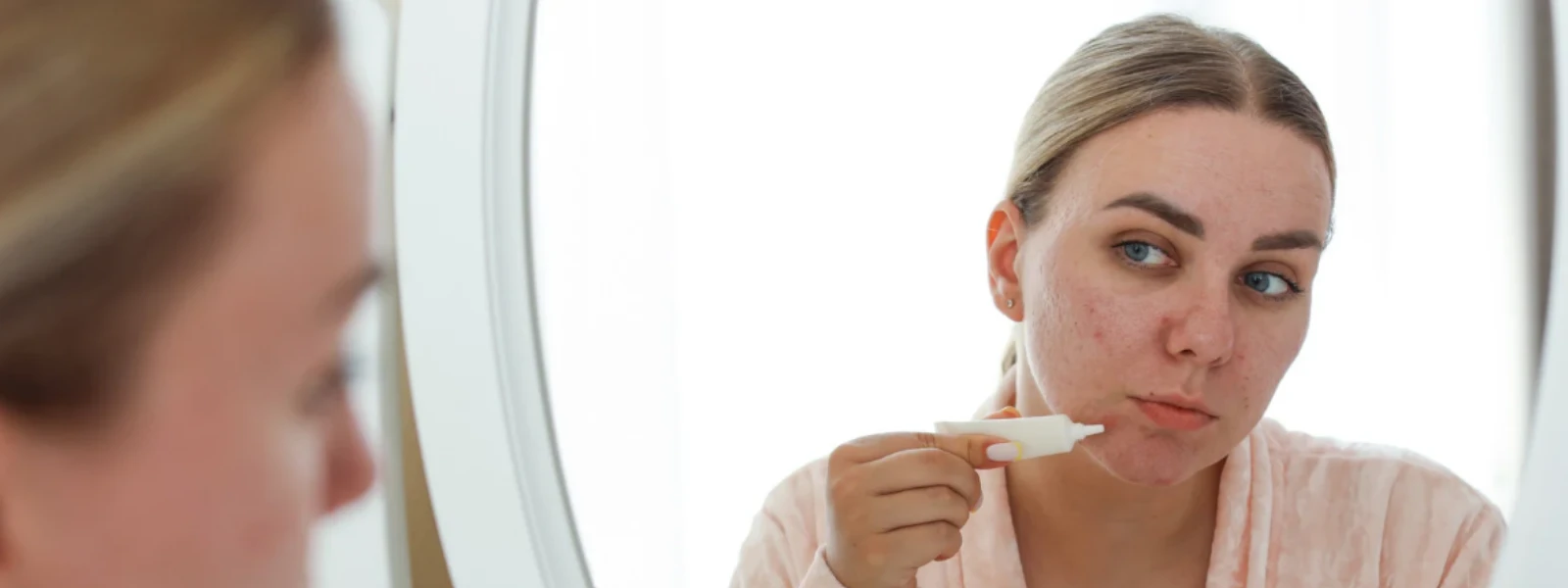
When dealing with active breakouts, targeted blemish removal techniques can speed up healing and prevent scarring. The key is knowing when to treat blemishes at home and when to seek professional help. For immediate redness reduction, apply a cold compress to inflamed areas for 5-10 minutes. This helps constrict blood vessels and reduce swelling. Ice therapy works particularly well for cystic acne, which tends to be deep and painful. Hydrocolloid patches have become increasingly popular for good reason. These small, clear patches draw out pus and fluid from whiteheads while protecting the area from bacteria and picking. Apply them to clean, dry skin and leave them on for several hours or overnight.
While it's tempting to squeeze pimples, improper extraction can lead to scarring and spread bacteria. If you must extract, use clean tools and only attempt it on whiteheads that are ready to drain. For deeper, cystic acne, always consult a dermatologist.
Scar treatment requires patience and consistency. Not all marks left by acne are true scars—some are simply post-inflammatory hyperpigmentation that will fade over time with proper care. True acne scars come in different forms: ice pick scars are deep and narrow, boxcar scars are wider with defined edges, and rolling scars create a wave-like appearance. Each type responds differently to treatment, so identifying your scar type helps determine the best approach.
Vitamin C serums can help fade dark spots and improve overall skin texture. Look for stable forms of vitamin C like magnesium ascorbyl phosphate or sodium ascorbyl phosphate. Chemical exfoliants containing glycolic acid or lactic acid also help smooth skin texture and encourage cell turnover.
For deeper scars, professional treatments like laser therapy, microneedling, or chemical peels may be necessary. These treatments work by stimulating collagen production and resurfacing the skin. Consult with a dermatologist to determine which option is best for your specific scarring.
What you eat can significantly impact your skin health. A healthy skin diet focuses on anti-inflammatory foods while limiting those that may trigger breakouts. Omega-3 fatty acids found in fish, walnuts, and flaxseeds help reduce skin inflammation. Antioxidant-rich foods like berries, leafy greens, and colorful vegetables protect your skin from free radical damage and support healing.
Zinc-rich foods like pumpkin seeds, chickpeas, and lean meats support skin healing and may help reduce acne severity. Vitamin A from sweet potatoes, carrots, and dark leafy greens helps regulate skin cell turnover and prevents clogged pores.
High-glycemic foods like white bread, sugary snacks, and processed foods can spike insulin levels and potentially worsen acne. Some people also find that dairy products trigger breakouts, though this varies from person to person. Pay attention to how your skin responds to different foods and adjust accordingly.
Achieving clear skin goes beyond skincare products and diet. Several lifestyle factors play crucial roles in maintaining healthy skin. Stress management is essential because chronic stress increases cortisol production, which can worsen acne and slow healing. Practice stress-reduction techniques like meditation, deep breathing, or regular exercise to keep stress levels in check.
Quality sleep allows your skin to repair and regenerate. Aim for 7-9 hours of sleep per night and maintain a consistent sleep schedule. Change your pillowcase regularly to avoid transferring bacteria and oils back to your clean skin.
Keep your environment clean by regularly washing items that touch your face, including phone screens, makeup brushes, and towels. Choose non-comedogenic makeup and sunscreen products that won't clog pores.
Most people begin seeing improvements in 6-8 weeks with consistent treatment. However, it can take 3-4 months to see significant changes, especially for stubborn acne.
Look for gentle, non-comedogenic cleansers with ingredients like salicylic acid or benzoyl peroxide. Avoid harsh scrubs or cleansers that leave your skin feeling tight and dry.
Yes, many people achieve clear skin using gentle, natural approaches combined with consistent skincare routines and lifestyle changes. However, severe acne may require stronger treatments.
This is called purging, and it happens when active ingredients like retinoids or chemical exfoliants bring underlying clogs to the surface faster than usual. Purging typically lasts 4-6 weeks.
Consult a dermatologist if over-the-counter treatments haven't worked after 2-3 months, if you have severe cystic acne, or if acne is causing emotional distress or scarring.
Clearing your skin requires a comprehensive approach that addresses multiple factors. Start with a gentle, consistent skincare routine using proven ingredients. Support your skin health with an anti-inflammatory diet, stress management, and good sleep habits. Remember that results take time, and what works for others may not work for you. Be patient with your skin, track what helps and what doesn't, and don't hesitate to seek professional help when needed. With the right approach and consistency, clear skin is achievable for most people.
