


How to Apply Salicylic Acid Serum for Clear Skin
Your Cart
0You May Also Like
Getting clear skin doesn't have to feel like solving a complex puzzle. If you're dealing with stubborn breakouts, enlarged pores, or uneven texture, you've probably heard about salicylic acid. This powerful ingredient has become a game-changer for many people struggling with acne-prone skin. But here's the thing - knowing how to apply it correctly makes all the difference between seeing real results and dealing with irritation. Let's walk through everything you need to know about using the best salicylic acid serum to transform your skin.
Salicylic acid belongs to a group called beta hydroxy acids, or BHAs. Unlike other exfoliants that work on the skin's surface, this ingredient dives deep into your pores because it's oil-soluble. Think of it as a tiny cleaning crew that can squeeze into the smallest spaces where dirt and oil like to hide. What makes salicylic acid so special for acne treatment? It works by gently dissolving the bonds between dead skin cells, helping them shed more easily. This process prevents pores from getting clogged in the first place. Plus, it has anti-inflammatory properties that calm existing breakouts.
An acne serum delivers concentrated ingredients directly to your skin. The lightweight texture absorbs quickly without leaving a heavy residue. This makes it perfect for layering under moisturizer and sunscreen.
Using a quality serum for acne regularly can help with several skin concerns. You'll likely notice fewer blackheads and whiteheads over time. The pore minimizing serum effect happens because clean pores appear smaller. As an exfoliating serum, it also improves skin texture and brightness.
Not all salicylic acid serums are created equal. The concentration you choose depends on your skin's tolerance and your specific concerns. Starting with the wrong strength can lead to dryness, redness, or peeling. For beginners, look for products with 0.5% to 1% concentration. This gentle approach lets your skin build tolerance gradually. If you have experience with acids or very oily skin, you might benefit from 2% formulations.
When shopping for the best salicylic acid serum, check the ingredient list carefully. Look for complementary ingredients like niacinamide, which helps control oil production, or hyaluronic acid for hydration. Avoid products with high amounts of alcohol or strong fragrances.
If you have sensitive skin, start even slower. Use the product every third day initially. Those with very oily skin serum needs might tolerate daily use sooner. Combination skin types should focus application on the T-zone where oil production is highest.
Proper application technique can make or break your results with any skin clarifying serum. Following these steps ensures you get maximum benefits while minimizing irritation. Start with completely clean, dry skin. Use a gentle cleanser to remove makeup, sunscreen, and daily buildup. Pat your face dry with a clean towel and wait a few minutes before applying the serum.
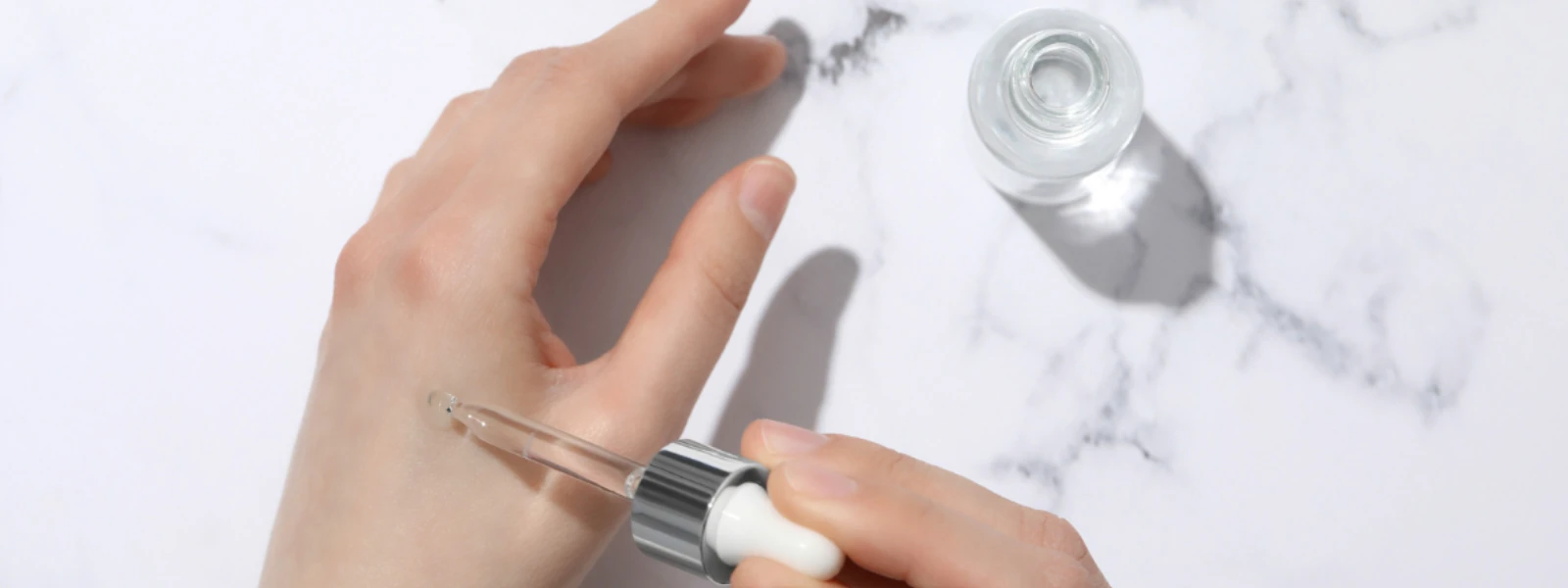
Dispense 2-3 drops of your blemish treatment serum onto clean fingertips. Gently pat the product onto problem areas first - usually the T-zone, chin, and any active breakouts. Then spread the remaining product over the rest of your face using light, upward motions. Avoid the delicate eye area and lips. These areas have thinner skin that can become irritated more easily.
Start by using your facial serum every other evening. This gives your skin time to adjust to the exfoliating effects. After two weeks, you can gradually increase to nightly use if your skin tolerates it well. Wait 10-15 minutes after application before applying moisturizer. This allows the acid to work effectively without being diluted.
Integrating salicylic acid into your existing routine requires some planning. The key is knowing which products work well together and which ones to avoid mixing. For morning routines, apply your serum after cleansing but before moisturizer and sunscreen. However, many people prefer evening application since acids can increase sun sensitivity.
Your nighttime routine should follow this order: cleanser, salicylic acid serum, moisturizer. If you use other treatments like retinoids, alternate nights to prevent over-exfoliation.
Don't combine your exfoliating serum with vitamin C, retinoids, or other acids on the same night. These combinations can cause irritation and reduce effectiveness. Physical scrubs should also be avoided while using chemical exfoliants.
Patience is crucial when starting any new acne scar treatment routine. Most people see initial improvements within 2-4 weeks, but significant changes often take 6-8 weeks of consistent use. Keep a simple skin diary to track your progress. Note any changes in breakout frequency, skin texture, or overall appearance. This helps you determine if the product is working or if adjustments are needed.
Positive changes include fewer new breakouts, smaller-looking pores, and smoother skin texture. Your complexion might also appear brighter as dead skin cells are removed more efficiently.
If you experience persistent dryness, redness, or increased breakouts after 6 weeks, consider reducing frequency or switching to a lower concentration. Sometimes less is more with active ingredients.
Many people sabotage their results by making simple errors. The most common mistake is using too much product. A little goes a long way with concentrated serums. Another frequent error is starting with daily use immediately. This often leads to irritation and the mistaken belief that the product doesn't work. Your skin needs time to build tolerance.
Applying serum to damp skin can increase absorption too much, leading to irritation. Always use on completely dry skin for best results.
Never skip moisturizer after using salicylic acid. Even oily skin needs hydration, especially when using exfoliating products. Also, sunscreen becomes non-negotiable when using any acid treatment.
Start with every other evening for the first two weeks. If your skin tolerates it well, you can gradually increase to nightly use. Some people find 3-4 times per week works best long-term.
It's best to alternate nights when using both products. Use salicylic acid one evening and retinol the next. This prevents over-exfoliation while still getting benefits from both ingredients.
Start with 0.5% to 1% concentration. This provides effective results while minimizing the risk of irritation. You can always move up to stronger formulations later if needed.
Most people notice initial improvements within 2-4 weeks of consistent use. Significant changes in acne, pore appearance, and skin texture typically occur after 6-8 weeks.
While possible, evening application is generally recommended. Salicylic acid can increase sun sensitivity, making diligent sunscreen use essential if you apply it in the morning.
Using the best salicylic acid serum effectively comes down to patience, consistency, and proper technique. Start slowly, listen to your skin, and give the product time to work. Remember that clear skin is a journey, not a destination. With the right approach, salicylic acid can become a powerful ally in achieving the healthy, clear complexion you've been working toward. Focus on building sustainable habits rather than seeking overnight miracles, and you'll be rewarded with lasting results.
