


Hormonal Acne vs Regular Acne Explained: Key Differences
Your Cart
0You May Also Like
If you've been dealing with breakouts that seem to follow their own mysterious schedule, appearing in specific spots no matter what you try, you might be wondering whether you're dealing with hormonal acne or regular acne. Understanding the difference isn't just about satisfying curiosity—it's about finding the right treatment approach. While both types can be frustrating, they have distinct patterns, causes, and most importantly, different solutions. Asaya's approach to acne treatment recognizes these differences, offering targeted solutions for both hormonal and bacterial breakouts.
Hormonal acne typically appears on the lower face and jawline, often coinciding with menstrual cycles, while regular acne usually affects the T-zone and responds to antibacterial treatments.
Hormonal acne is driven by internal hormone fluctuations and requires targeted treatments, whereas regular acne is primarily caused by bacteria, excess oil, and clogged pores.
The location, timing, and appearance of breakouts can help you identify which type you're dealing with and choose the most effective treatment approach.
Hormonal acne is exactly what it sounds like—breakouts triggered by fluctuations in your hormones. Unlike the acne you might have dealt with as a teenager, hormonal acne often shows up in adulthood, typically affecting people between 20 and 50 years old. The main culprits are androgens like testosterone, which can spike during certain times of your menstrual cycle, pregnancy, or periods of stress.
When androgen levels rise, they signal your sebaceous glands to produce more oil. This excess sebum, combined with dead skin cells, creates the perfect environment for clogged pores. But here's what makes hormonal acne different: it's not just about surface-level bacteria. The root cause lies deeper, in your body's internal hormonal balance.
Estrogen and progesterone also play roles in this complex dance. During the luteal phase of your menstrual cycle (the two weeks before your period), progesterone levels rise while estrogen drops. This shift can trigger increased oil production and inflammation, explaining why many women notice breakouts appearing like clockwork before their periods.
Regular acne, also called bacterial acne, is the type most people think of when they hear "acne." It's primarily caused by a combination of excess oil production, clogged pores, and bacterial overgrowth—specifically Cutibacterium acnes (C. acnes). This type of acne is most common during the teenage years when hormonal changes naturally increase oil production.
The process is straightforward: your pores get clogged with oil and dead skin cells, creating an oxygen-free environment where C. acnes bacteria thrive. As these bacteria multiply, they cause inflammation, leading to the red, sometimes pus-filled bumps we recognize as pimples. Genetics play a significant role here—if your parents dealt with acne, you're more likely to experience it too.
Environmental factors also contribute to regular acne. Things like using heavy, pore-clogging products, not cleansing properly, or even touching your face frequently can worsen bacterial acne. The good news is that this type often responds well to traditional acne treatments that target bacteria and oil production. The Asaya Daily Clear Salicylic Face Cleanser works particularly well for this type, combining 2% Salicylic Acid and 2% Lactic Acid with Zinc PCA to control oil and clear clogged pores without over-drying your skin.
One of the clearest ways to distinguish between hormonal and regular acne is by looking at where breakouts appear on your face. Hormonal acne has a distinct preference for the lower third of your face—think jawline, chin, and around your mouth. This area is often called the "U-zone," and it's where hormonal fluctuations tend to trigger the most oil production.
Regular acne, on the other hand, typically shows up in the T-zone: your forehead, nose, and upper cheeks. This area naturally has more oil glands, making it prone to the bacterial overgrowth that characterizes regular acne. You might also notice regular acne on your back and chest, areas with high concentrations of sebaceous glands.
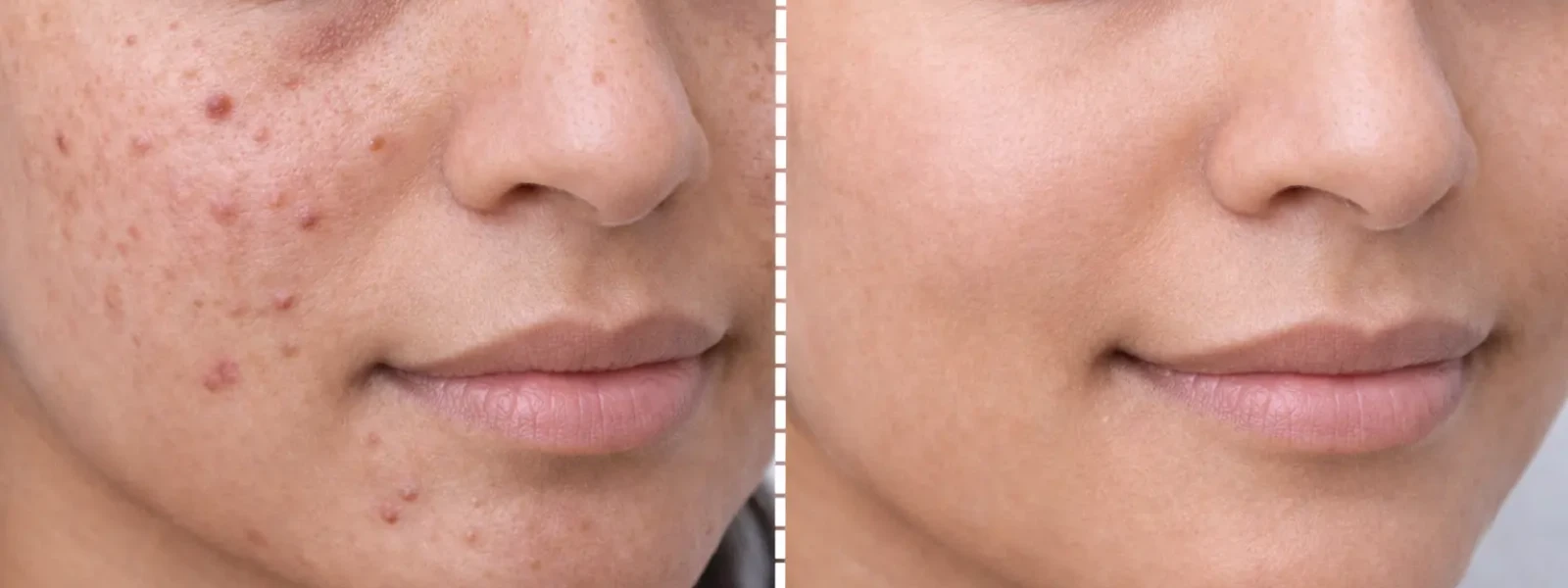
The appearance of the breakouts themselves also differs. Hormonal acne often presents as deep, painful cysts or nodules that feel like hard bumps under the skin. These can take weeks to come to a head, if they ever do. Regular acne tends to be more surface-level, appearing as whiteheads, blackheads, or inflamed papules that develop and resolve more quickly.
Pay attention to when your breakouts appear. Hormonal acne often follows a monthly pattern, flaring up in the week or two before your period and calming down afterward. Regular acne tends to be more consistent, without the cyclical pattern tied to your menstrual cycle.
Age is often the first clue. If you're experiencing new or worsening acne in your twenties, thirties, or beyond, it's likely hormonal. Adult-onset acne is almost always hormonally driven. If you've had consistent breakouts since your teens that haven't significantly changed in pattern or location, you're probably dealing with regular acne.
Track your breakouts for a few months. Note when they appear, where they show up, and how long they last. If you notice a correlation with your menstrual cycle, stress periods, or major life changes, hormonal factors are likely at play. Also consider how your skin has responded to traditional acne treatments. If benzoyl peroxide, salicylic acid, and antibacterial treatments haven't made much difference, hormonal acne is a strong possibility.
The Asaya 2% Salicylic Acid & 5% Niacinamide Serum can be helpful for both types, but if you find it controls surface breakouts while deeper, cyclical cysts persist, that's another sign you're dealing with hormonal acne alongside some bacterial component.
Here's where things get a bit confusing: hormonal acne and cystic acne aren't mutually exclusive. In fact, hormonal acne often presents as cystic lesions. Cystic acne refers to the type of breakout—deep, painful, inflamed nodules that form when infection develops deep within the pore. Hormonal acne refers to the cause—hormone fluctuations triggering increased oil production and inflammation.
So you can have hormonal cystic acne, which is exactly what it sounds like: deep, painful cysts triggered by hormonal changes. These typically appear on the lower face and jawline and often coincide with menstrual cycles. The key difference is that while cystic acne describes the appearance and severity of the breakout, hormonal acne describes the underlying cause.
Hormonal fluctuations don't just increase oil production—they also increase inflammation throughout your body. This inflammatory response, combined with the deeper location of oil glands in the lower face, creates the perfect conditions for cystic lesions to form.
The most important thing to understand about treating different types of acne is that one size definitely doesn't fit all. What works brilliantly for bacterial acne might barely touch hormonal breakouts, and vice versa.
Treating hormonal acne often requires addressing the internal cause, not just the external symptoms. Topical treatments can help, but they're usually most effective when combined with approaches that target hormonal balance. Retinoids are particularly effective for hormonal acne because they help normalize skin cell turnover and reduce inflammation at a deeper level. Most people see improvement in 6-8 weeks for hormonal acne.
For topical care, ingredients that address both oil production and inflammation work best. The Asaya 2% Kojic Acid & 1% Alpha Arbutin Serum can be particularly helpful if your hormonal acne is leaving dark spots, as hormonal breakouts often result in more persistent pigmentation on melanin-rich skin.
Regular acne responds well to treatments that target bacteria and oil production. Benzoyl peroxide is highly effective at killing C. acnes bacteria, while salicylic acid helps unclog pores and reduce oil buildup. The key is consistency and finding the right balance—too aggressive, and you'll irritate your skin, potentially making breakouts worse.
A gentle but effective approach works best. Start with a cleanser that contains both BHA and AHA, like the Asaya Daily Clear Salicylic Face Cleanser, which combines salicylic acid and lactic acid to address both bacterial overgrowth and clogged pores without stripping your skin.
While you can't completely control your hormones or genetics, certain lifestyle factors can influence both types of acne. Diet plays a role, though it affects hormonal and regular acne differently. High-glycemic foods and dairy products are more likely to trigger hormonal acne, while very oily or processed foods might worsen bacterial acne.
Stress management is crucial for hormonal acne since stress directly impacts your hormone levels. Why does my acne get worse before my period? This is a common question, and the answer lies in the hormonal shifts that occur naturally. Regular exercise, adequate sleep, and stress-reduction techniques can help keep hormonal fluctuations in check. For regular acne, focus more on consistent skincare habits and avoiding pore-clogging products.
Regardless of which type you're dealing with, gentle, consistent skincare is key. Over-cleansing or using harsh products can disrupt your skin barrier, potentially making both types of acne worse.
Look at the location and timing of your breakouts. Hormonal acne typically appears on the lower face and jawline, often following a monthly cycle. Regular acne usually affects the T-zone and doesn't follow cyclical patterns. Age is also a factor—adult-onset acne is usually hormonal.
Hormonal acne commonly peaks during the twenties and thirties for women, often worsening around menstruation, pregnancy, or major life stressors. It can persist into the forties and beyond, particularly during perimenopause when hormone levels fluctuate significantly. What do PCOS pimples look like? PCOS can cause hormonal acne, often presenting as deep, painful cysts along the jawline and chin, similar to other forms of hormonal acne.
Yes, the Asaya Advanced Anti-Pigmentation Set is specifically designed to address dark spots and marks left behind by both hormonal and regular acne. The MelaMe™ Complex in this system works particularly well on melanin-rich skin to fade post-inflammatory hyperpigmentation.
Hormonal cystic acne is often the most challenging because it requires addressing internal hormonal imbalances, not just surface bacteria. It typically needs a combination of topical treatments and sometimes internal approaches to see significant improvement.
Adult acne in women is frequently linked to hormonal fluctuations, including those related to the menstrual cycle, pregnancy, menopause, or conditions like PCOS. Stress and certain medications can also contribute to adult acne.
Understanding whether you're dealing with hormonal or regular acne is the first step toward finding an effective treatment approach. While the distinction might seem academic, it makes a real difference in what products and strategies will work for your skin. Remember that many people deal with both types simultaneously, so don't be surprised if you need a multi-pronged approach.
The key is patience and consistency. Hormonal acne, in particular, can take several months to respond to treatment since you're working to rebalance internal processes. For those dealing with the dark spots that often follow breakouts, especially on melanin-rich skin, Asaya's MelaMe™ Complex offers a science-backed solution. This advanced molecule is specifically designed to treat discoloration and restore pigment balance within two weeks of regular use. It works by breaking down excess melanin deposits into re-absorbable amino acids while preventing future dark spot formation, making it particularly effective for the post-inflammatory hyperpigmentation that both hormonal and regular acne can leave behind.
