

Essential Checklist: Improve Skin Texture Fast
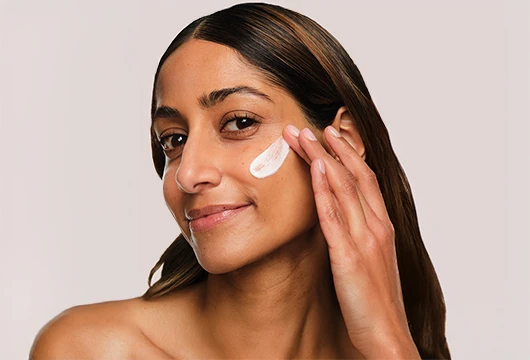
Struggling with bumpy, rough, or uneven skin can feel overwhelming. You touch your face and notice those frustrating texture issues that makeup can't quite hide. The good news? You can absolutely transform your skin texture with the right approach. Whether you're dealing with large pores, acne scars, or just want that smooth, clear skin you see on social media, this complete checklist will guide you through proven methods that actually work. Let's dive into the essential steps that will help you achieve the healthy skin you've been dreaming of.
Before you can fix skin texture issues, you need to understand what causes them in the first place. Your skin naturally sheds dead cells every 28 days, but sometimes this process gets disrupted. When dead skin cells build up on your surface, they create that rough, bumpy feeling. Add in clogged pores from excess oil and bacteria, and you've got a recipe for texture problems. Acne scars from previous breakouts leave behind uneven surfaces that catch light differently. Sun damage breaks down collagen over time, creating fine lines and rough patches. Even your genetics play a role in how your skin naturally renews itself.
Large pores often appear more prominent when they're clogged with oil and debris. Your pores don't actually change size, but they look bigger when they're full. Rough, sandpaper-like skin usually means dead cells aren't shedding properly. Bumpy skin from keratosis pilaris creates those tiny bumps on arms and sometimes faces.
Run clean fingers gently across your skin. Smooth areas feel soft and even, while problem areas feel rough or bumpy. Look at your skin in natural light to spot uneven tone or texture. Take photos to track your progress over time.
Consistency beats perfection every single time when it comes to improving skin texture. Your daily routine forms the foundation for all other treatments to work effectively. Start each morning with gentle cleansing to remove overnight buildup without stripping your skin. Follow with an antioxidant serum containing vitamin C to protect against environmental damage. Moisturize to keep your skin barrier healthy and plump. Never skip sunscreen - it prevents further texture damage from UV rays.
Use lukewarm water and gentle circular motions when cleansing. Pat your skin dry instead of rubbing. Apply serums to slightly damp skin for better absorption. Choose broad-spectrum SPF 30 or higher for daily protection.
Double cleansing removes makeup, sunscreen, and daily buildup more thoroughly than single cleansing. Start with an oil-based cleanser, then follow with a gentle water-based cleanser. This is when you'll apply your treatment products like retinoids or acids. Finish with a nourishing moisturizer to support overnight repair.
Exfoliation removes those stubborn dead skin cells that create rough texture. But the type of exfoliation you choose makes all the difference in your results. Chemical exfoliants work by dissolving the bonds between dead skin cells. Alpha hydroxy acids like glycolic and lactic acid are water-soluble and work on the surface. Beta hydroxy acid (salicylic acid) is oil-soluble, so it penetrates into pores to clear out clogs. A performance-driven serum with 2% Salicylic Acid and Tea Tree Oil can treat active acne, unclog pores on face and prevent skin breakouts. This powerful blackheads and whiteheads removal serum works by gently exfoliating dirt, excess oil and bacteria to give visibly clearer, soothed skin. 5% Niacinamide helps to reduce enlarged pores, control oil and promote even tone.
Physical exfoliants use small particles or tools to manually remove dead skin. While they can work, they're easier to overdo and may cause micro-tears. Chemical exfoliants provide more even results with less risk of irritation when used properly.
Start with 2-3 times per week and adjust based on how your skin responds. Some people can handle daily chemical exfoliation, while others need it just once weekly. Listen to your skin - it should feel smooth, not tight or irritated.
Sometimes at-home care needs backup from professional treatments. These options can dramatically accelerate your texture improvement journey. Chemical peels performed by professionals use higher concentrations than at-home products. Microneedling creates controlled micro-injuries that trigger your skin's healing response, building new collagen. Laser treatments target specific concerns like acne scars or sun damage with precision.
Retinoids remain the gold standard for texture improvement. They speed up cell turnover and stimulate collagen production. Start with over-the-counter retinol, then consider prescription tretinoin for stronger results. LED light therapy devices can support healing and reduce inflammation.
Most professional treatments require multiple sessions spaced weeks apart. Initial results appear within 2-4 weeks, but significant changes take 3-6 months. Factor in downtime for some procedures when planning your treatment schedule.
Your lifestyle choices significantly impact your skin texture. What you eat, how much you sleep, and your stress levels all show up on your face. Hydration keeps your skin plump and helps with natural cell turnover. Aim for at least 8 glasses of water daily. Quality sleep gives your skin time to repair itself - most cellular renewal happens overnight. Managing stress prevents hormone fluctuations that can worsen texture issues.
Honey has natural antibacterial properties and gentle exfoliating enzymes. Mix with finely ground oatmeal for a soothing mask. Rice water contains amino acids and vitamins that can improve skin texture over time. Green tea provides antioxidants that support healing.
Lemon juice and baking soda are too harsh for facial skin. Essential oils can cause irritation without proper dilution. Always patch test natural ingredients before applying to your entire face.
Different texture issues need different approaches for best results. Customize your routine based on your primary concerns. For large pores, focus on keeping them clear rather than trying to shrink them. Niacinamide helps regulate oil production and can make pores appear smaller. Clay masks draw out excess oil and debris. Retinoids help refine pore appearance over time.
Vitamin C serums help fade post-inflammatory hyperpigmentation. Retinoids encourage new skin cell formation to smooth out uneven surfaces. Professional treatments like microneedling or laser therapy may be necessary for deeper scars.
Urea and ceramides help restore your skin barrier function. These ingredients work especially well on body skin, which tends to be thicker and can handle stronger concentrations than facial skin.
Even with good intentions, certain habits can actually worsen your skin texture. Avoiding these common pitfalls will help you see results faster. Over-cleansing strips your skin's natural protective barrier, leading to increased oil production and irritation. Skipping moisturizer on oily skin creates a cycle where your skin produces more oil to compensate for dryness. Inconsistent product use prevents you from seeing true results - most skincare needs 6-8 weeks of regular use to show benefits.
Using too many active ingredients at once can overwhelm your skin and cause irritation. Introduce new products one at a time, spacing them at least a week apart. Pay attention to how your skin responds before adding the next product.
Touching and picking at your skin introduces bacteria and can worsen existing issues. Sun exposure without protection accelerates aging and texture problems. Poor sleep quality interferes with your skin's natural repair processes.
Most people notice initial changes within 2-4 weeks of consistent skincare. Significant improvements typically appear after 8-12 weeks. Professional treatments may show faster results, but patience is key for lasting changes.
Yes, natural methods like proper hydration, gentle exfoliation, and protective skincare can improve texture. However, combining natural approaches with proven ingredients like retinoids and acids usually gives better results.
Skin texture refers to how your skin feels - smooth, rough, bumpy, or uneven. Skin tone relates to color variations, dark spots, or redness. Many treatments address both concerns simultaneously.
Most people benefit from exfoliating 2-3 times per week. Daily exfoliation can work for some skin types, but start slowly and increase frequency only if your skin tolerates it well without irritation.
Price doesn't always indicate effectiveness. Focus on products with proven ingredients like retinoids, acids, and niacinamide. Many affordable options contain the same active ingredients as luxury brands.
Yes, your diet impacts skin health. Foods high in sugar and dairy may worsen texture issues for some people. Antioxidant-rich foods, omega-3 fatty acids, and adequate protein support healthy skin from the inside out.
Improving skin texture takes time, consistency, and the right approach for your specific concerns. Start with a gentle daily routine including cleansing, moisturizing, and sun protection. Add exfoliation 2-3 times weekly, whether chemical or physical. Consider professional treatments for faster or more dramatic results. Remember that your skin is unique. What works for others might not work for you, so be patient as you find your perfect routine. Focus on one concern at a time rather than trying to fix everything at once. Most importantly, protect your progress with daily sunscreen and gentle handling of your skin. With consistent care and realistic expectations, you can achieve the smooth skin and clear skin you're working toward. Your future self will thank you for starting today.
