


Does City Pollution Clog Pores and Worsen Acne? Your FAQ
Your Cart
0You May Also Like
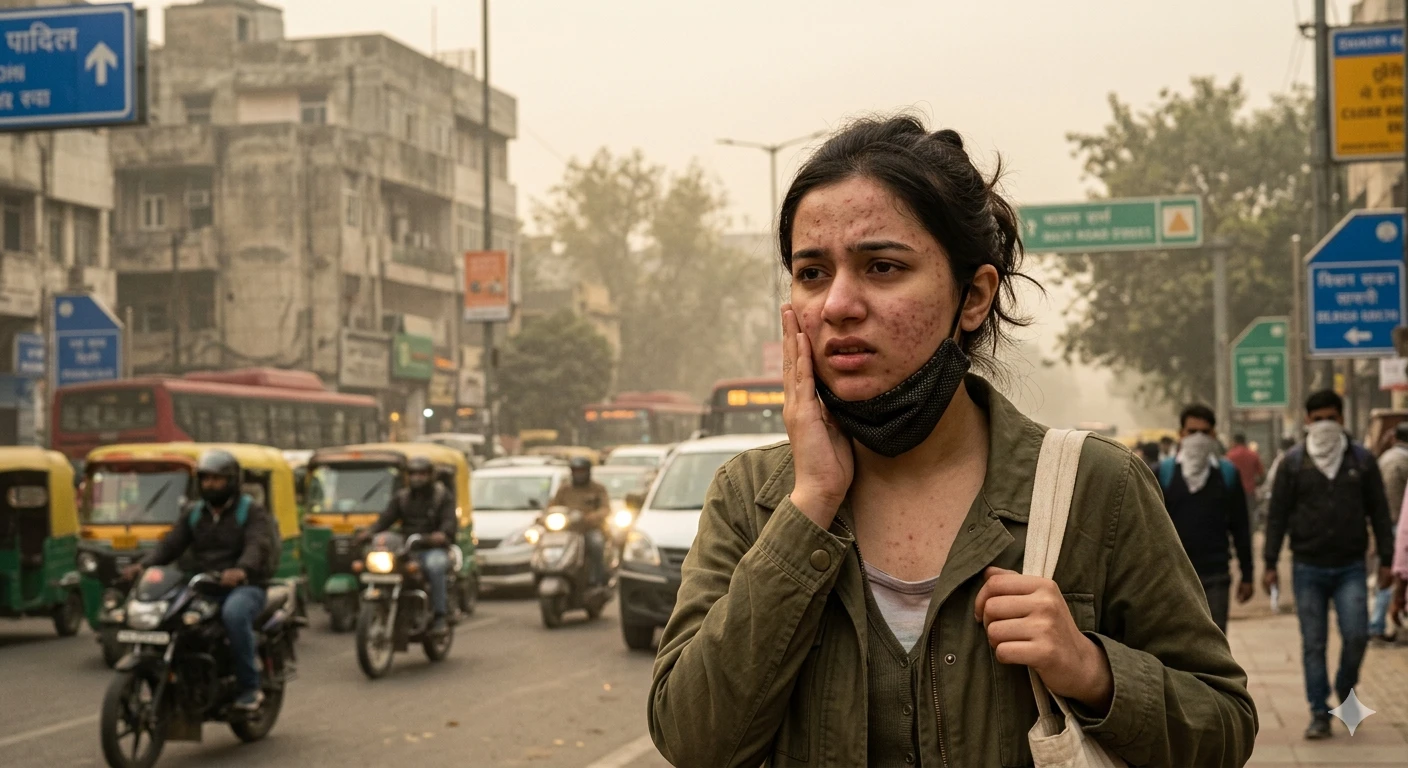
If you've noticed your skin acting up more since moving to a city, you're not imagining things. Urban environments expose your skin to a cocktail of pollutants that can absolutely worsen acne and clog pores. From microscopic particles that settle into your skin to free radicals that trigger inflammation, city air creates the perfect storm for breakouts. While genetics and hormones still play the biggest role in acne, environmental factors like pollution are increasingly recognized as significant contributors. Understanding how dirty air affects your skin helps you protect it better, especially when you're dealing with the specific challenges of Indian urban environments where pollution levels can be particularly intense.
City pollution does clog pores through microscopic particles and increases acne severity by triggering inflammation and oxidative stress.
PM2.5 and PM10 particles penetrate skin barriers, while free radicals from pollutants damage skin cells and worsen existing breakouts.
Double cleansing, antioxidant protection, and barrier repair are essential for preventing pollution-related acne in urban environments.
Research consistently shows that air pollution skin effects go far beyond surface-level dirt. A 2017 study published in the Journal of Investigative Dermatology found that people living in high-pollution areas had significantly more acne lesions than those in cleaner environments. The study tracked over 1,000 participants across different pollution zones and found a direct correlation between PM2.5 exposure and breakout severity.
The pollution acne link works through multiple pathways. Pollutants generate free radicals that damage skin cells and trigger inflammatory responses. This inflammation doesn't just cause redness – it actually makes your sebaceous glands produce more oil, creating the perfect environment for acne bacteria to thrive. Meanwhile, particulate matter physically clogs pores, while chemical pollutants disrupt your skin's natural barrier function.
What makes this particularly relevant for Indian cities is the unique combination of pollutants we face. Vehicle emissions, industrial waste, construction dust, and seasonal factors like crop burning create a complex mix that's especially harsh on skin. Cities like Delhi, Mumbai, and Bengaluru regularly record PM2.5 levels that are 3-4 times higher than WHO recommendations.
Understanding how pollution affects skin starts with knowing what you're actually breathing and absorbing. PM2.5 particles are so tiny they can penetrate deep into your skin, while larger PM10 particles settle on the surface and mix with sebum to create stubborn clogs.
Pollution pore clogging happens when microscopic particles combine with your skin's natural oils. Throughout the day, dust, soot, and chemical residues accumulate on your skin surface. When mixed with sebum and dead skin cells, they form plugs that are much harder to remove than regular blackheads or whiteheads.
Skin barrier pollution damage is equally problematic. Pollutants weaken your skin's protective barrier, making it more susceptible to irritation and infection. This compromised barrier can't regulate oil production properly, leading to either excessive dryness or overcompensation through increased sebum production.
The inflammatory response triggered by dirty air skin problems creates a cycle where pollution causes breakouts, which then make your skin more vulnerable to further pollution damage. This is why city dwellers often notice their acne gets progressively worse over time if left untreated.
Environmental factors acne manifests differently depending on the type and concentration of pollutants you're exposed to. Understanding these patterns helps you identify whether pollution is contributing to your specific skin concerns.
The most common type of pollution-related acne is comedonal – blackheads and whiteheads caused by physical pore clogging. This typically appears in areas most exposed to air pollution: your T-zone, cheeks, and jawline.
Chemical pollutants like nitrogen dioxide and ozone trigger inflammatory responses that worsen existing acne and create new papules and pustules. This type of acne causes pollution tends to be more painful and takes longer to heal than regular breakouts.
The contrast between urban pollution skin issues and rural skin health is stark. Studies show that people who move from rural to urban areas typically see a 40-60% increase in acne severity within six months. This isn't just about lifestyle changes – it's directly related to pollution exposure.
Seasonal variations also play a role. During winter months in North Indian cities, when crop burning combines with trapped vehicle emissions, dermatologists report a significant spike in pollution-related skin complaints. The combination of poor air quality and reduced humidity creates particularly challenging conditions for acne-prone skin.
Protecting your skin from pollution requires a multi-layered approach that goes beyond basic cleansing. The key is creating a routine that removes pollutants while strengthening your skin's natural defenses.
Double cleansing isn't just a K-beauty trend – it's essential for removing pollution buildup. Start with an oil-based cleanser to dissolve sebum and oil-soluble pollutants, followed by a water-based cleanser to remove water-soluble particles and residue.
Antioxidants like vitamin C, niacinamide, and green tea extract help neutralize free radicals before they can damage your skin. Apply these in the morning before sun protection to create a defensive barrier against environmental stressors.
Yes, research confirms that city pollution both clogs pores and worsens acne through multiple mechanisms. Microscopic particles physically block pores while chemical pollutants trigger inflammation and increase oil production.
Pollution effects can be immediate for sensitive skin, but typically become noticeable within 2-4 weeks of increased exposure. The cumulative effect builds over time, which is why long-term city residents often see progressive worsening without proper protection.
Indoor air pollution from cooking, cleaning products, and poor ventilation can contribute to acne, though typically less severely than outdoor pollution. Air purifiers and proper ventilation help reduce indoor pollution effects on skin.
Pollution acne typically appears in areas most exposed to air – face, neck, and upper chest – while hormonal acne usually concentrates around the jawline and chin. Pollution acne often includes more blackheads and surface-level clogging.
Asaya's formulations include antioxidants and barrier-strengthening ingredients specifically chosen for Indian urban environments. The focus on melanin-rich skin means addressing both pollution damage and the resulting pigmentation that's common in our skin tones.
City pollution absolutely does clog pores and worsen acne through both physical and chemical pathways. The combination of particulate matter, free radical damage, and barrier disruption creates a perfect storm for breakouts, especially in Indian urban environments where pollution levels are consistently high.
The good news is that understanding these mechanisms helps you protect your skin more effectively. Consistent cleansing, antioxidant protection, and barrier repair can significantly reduce pollution's impact on your skin. For those dealing with both pollution-related breakouts and the resulting dark spots, MelaMe™ Complex offers a targeted solution. This advanced skincare engineering from Asaya has been designed to visibly treat discolouration and restore pigment balance within 2 weeks of regular use. MelaMe™ works on existing dark spots by breaking excess melanin deposits down into re-absorbable amino acids while inhibiting excess melanin production, making it particularly effective for addressing the pigmentation that often follows pollution-induced breakouts on melanin-rich skin.
