


Complete Guide: Treating Fungal Acne Step by Step
Your Cart
0You May Also Like
Think you've been battling stubborn acne that just won't respond to your usual treatments? You might actually be dealing with fungal acne, a completely different skin condition that requires a totally different approach. Unlike regular acne caused by bacteria, fungal acne stems from an overgrowth of yeast on your skin. This means all those salicylic acid treatments and benzoyl peroxide products you've been using could actually be making things worse. The good news? Once you understand what you're dealing with and follow the right treatment steps, you can clear up fungal acne effectively. Let's walk through everything you need to know to identify, treat, and prevent this tricky skin condition.
Fungal acne isn't actually acne at all. The medical term is malassezia folliculitis or pityrosporum folliculitis, and it's caused by an overgrowth of yeast that naturally lives on everyone's skin. This yeast, called malassezia, feeds on the oils in your hair follicles and can multiply rapidly under certain conditions. The key difference lies in what's causing the inflammation. Regular acne happens when bacteria called P. acnes gets trapped in clogged pores along with oil and dead skin cells. Acne caused by fungus, on the other hand, occurs when malassezia yeast overgrows and inflames your hair follicles. This is why traditional acne treatments often fail or even worsen fungal acne - they're designed to fight bacteria, not yeast.
Many people spend months or even years using the wrong products because they assume all bumps on their skin are regular acne. Antibiotics, which work great for bacterial acne, can actually make fungal acne worse by killing off beneficial bacteria that normally keep yeast in check.
Malassezia yeast thrives in warm, humid environments and feeds on certain oils and fatty acids. When conditions are right, this normally harmless yeast can multiply quickly and trigger an inflammatory response in your hair follicles.
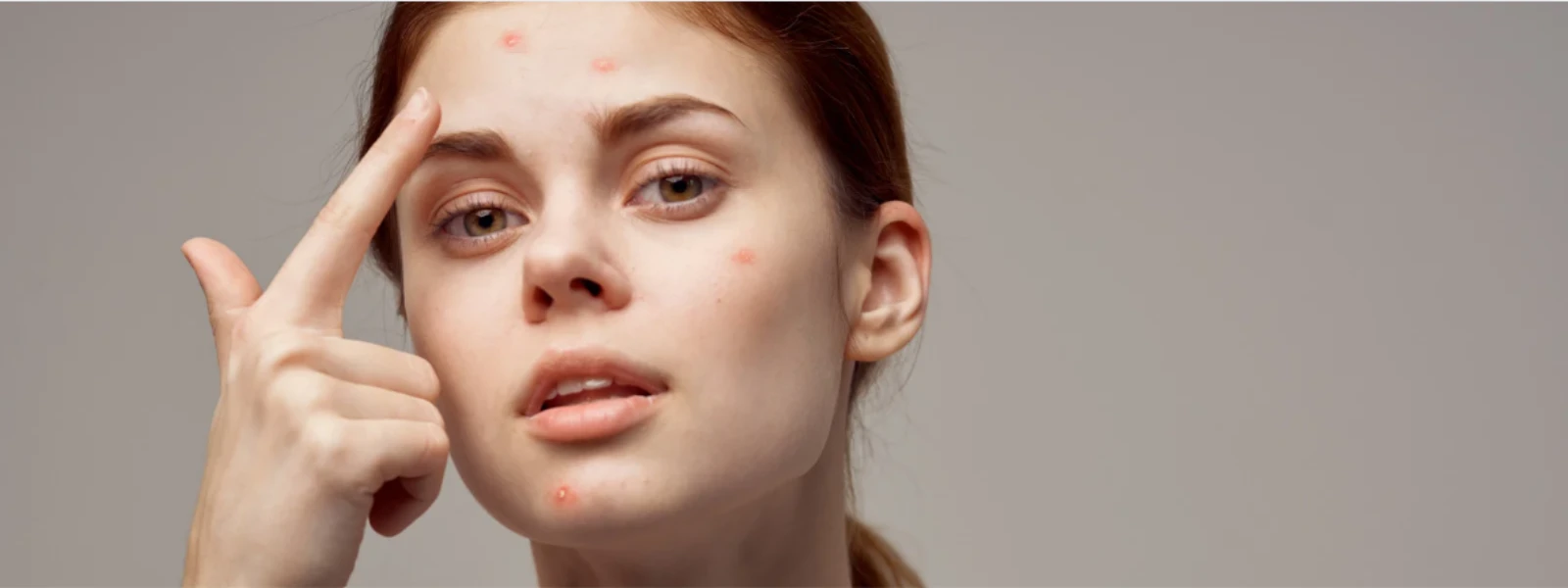
Recognizing fungal acne symptoms is crucial for getting the right treatment. The appearance and behavior of fungal acne differs significantly from bacterial acne, and knowing these differences can save you months of ineffective treatment. The most telling sign is the uniformity of the bumps. Small whiteheads that are all roughly the same size and appear in clusters are classic signs of fungal acne. These bumps often look like tiny, flesh-colored or white papules that don't come to a head like regular pimples.
Itchy acne is one of the biggest red flags for fungal acne. Regular acne rarely itches, but fungal acne almost always does. You might notice the itching gets worse when you're hot, sweaty, or in humid conditions.
Fungal acne face breakouts typically appear on the forehead, temples, and sometimes the cheeks. On the body, fungal acne body breakouts commonly show up on the chest, back, shoulders, and upper arms - areas that tend to get sweaty and stay covered by clothing.
The bumps feel rough and bumpy rather than smooth like cystic acne. They don't usually develop into large, painful cysts but instead remain as small, persistent bumps that may have tiny white heads.
Several factors can trigger malassezia overgrowth and lead to fungal acne. Understanding these causes helps you prevent future breakouts and choose the most effective treatment approach. Heat and humidity create the perfect environment for yeast to multiply. This is why fungal acne often gets worse in summer, after workouts, or in tropical climates. Tight clothing that traps sweat and moisture against your skin can also contribute to the problem.
Certain skincare ingredients actually feed the yeast that causes fungal acne. Heavy oils, especially those high in oleic acid, can make the condition worse. Many people unknowingly use products containing these ingredients and wonder why their skin isn't improving.
Poor hygiene after sweating, wearing the same workout clothes multiple times, and using dirty pillowcases can all contribute to yeast overgrowth. Some people also find that high-sugar diets can worsen their fungal acne.
Fungal acne sometimes occurs alongside other yeast-related skin conditions like seborrheic dermatitis. People with compromised immune systems or those taking antibiotics long-term may be more prone to developing fungal acne.
Effective fungal acne treatment requires a systematic approach that targets the yeast overgrowth while supporting your skin's natural balance. The key is patience and consistency - fungal acne often takes longer to clear than bacterial acne. Start by immediately discontinuing any products that might be feeding the yeast. This includes heavy oils, certain moisturizers, and any products containing ingredients that malassezia feeds on. Your skin might feel a bit dry initially, but this step is crucial for treatment success.
Begin with a gentle antifungal cleanser containing ingredients like ketoconazole, selenium sulfide, or zinc pyrithione. Use this twice daily, allowing it to sit on your skin for a minute or two before rinsing. This contact time helps the antifungal ingredients penetrate and work effectively.
After the first week, introduce targeted antifungal acne treatments. Over-the-counter options include antifungal creams or serums applied to affected areas. For stubborn cases, prescription antifungals may be necessary.
Once your skin starts clearing, focus on maintaining the improvement. This means continuing with fungal acne-safe products and being vigilant about triggers like excessive sweating or using problematic ingredients.
Knowing which ingredients actually fight fungal acne can help you choose the right products and avoid wasting money on ineffective treatments. The most proven antifungal ingredients include ketoconazole, selenium sulfide, and zinc pyrithione. Ketoconazole is particularly effective and can be found in some dandruff shampoos and prescription creams. Many people successfully use ketoconazole shampoo as a face and body wash, leaving it on for a few minutes before rinsing.
When building a fungal acne-safe routine, stick to simple, proven ingredients. Niacinamide can help reduce inflammation, while hyaluronic acid provides hydration without feeding yeast. Avoid complex formulations with multiple oils or fatty acids.
Look for products specifically labeled as fungal acne-safe or check ingredient lists against known problematic components. Many brands now offer fungal acne-friendly options, making it easier to build an effective routine.
Knowing what not to use is just as important as knowing what to use when treating fungal acne. Many common skincare ingredients can feed malassezia yeast and worsen your condition. Avoid oils high in oleic acid, including olive oil, argan oil, and many coconut oil products. Also steer clear of fatty alcohols like cetyl alcohol and stearyl alcohol, which can provide food for yeast.
Check your hair care products, especially if you have body fungal acne. Conditioners and styling products that contain heavy oils can run down onto your back and chest, triggering breakouts in those areas.
Choose mineral sunscreens over chemical ones when possible, and opt for powder foundations rather than liquid formulations that might contain problematic oils.
Most people see improvement within 2-4 weeks of consistent antifungal treatment. Complete clearing can take 6-12 weeks, depending on the severity and how well you avoid triggers.
No, regular acne products containing salicylic acid or benzoyl peroxide won't effectively treat fungal acne and may irritate your skin. You need antifungal ingredients specifically.
Fungal acne isn't contagious in the traditional sense. The malassezia yeast naturally lives on everyone's skin, but overgrowth depends on individual factors like genetics, environment, and skincare routine.
Fungal acne bumps are typically smaller, more uniform, and itchy. Closed comedones are usually larger, don't itch, and respond to traditional acne treatments.
Fungal acne can return if you go back to using problematic products or encounter triggering conditions. Maintaining a fungal acne-safe routine helps prevent recurrence.
Treating fungal acne successfully requires understanding that you're dealing with a yeast overgrowth, not bacterial acne. The key steps include identifying the condition correctly, using antifungal treatments consistently, and avoiding ingredients that feed malassezia yeast. Remember that patience is essential - fungal acne treatment takes time, but with the right approach, you can achieve clear, healthy skin. Focus on simple, effective antifungal ingredients and maintain a consistent routine to prevent future breakouts.
