


Can Acne Scars Be Prevented? Expert Insights
Your Cart
0You May Also Like
Dealing with acne is tough enough, but the fear of permanent scars can make it even more stressful. The good news? Acne scar prevention is absolutely possible with the right approach. While we can't guarantee that every single mark will be avoided, research shows that taking proactive steps can dramatically reduce your risk of developing lasting scars. The key lies in understanding what causes scars to form and acting quickly when breakouts occur. Prevention is always easier, more affordable, and less time-consuming than treating scars after they've already formed.
Acne scars form when your skin's healing process goes awry during or after a breakout. When inflammation damages the deeper layers of skin, your body tries to repair itself by producing collagen. Sometimes this process creates too much or too little collagen, resulting in raised or depressed scars.
Inflammatory acne poses the biggest threat for scarring. Cystic acne, nodules, and deep pustules create more damage than blackheads or whiteheads. The deeper the inflammation goes into your skin, the higher your chances of developing permanent marks. Your genetics also play a role - some people naturally heal better than others.
Atrophic scars are the most common type, appearing as depressions in the skin. These include ice pick scars (deep and narrow), boxcar scars (wider with defined edges), and rolling scars (wave-like appearance). Hypertrophic and keloid scars are raised above the skin surface. It's important to note that post-inflammatory hyperpigmentation isn't true scarring - these dark spots fade over time with proper care.
Preventing acne scars costs a fraction of what you'd spend treating them later. Professional scar treatments can range from hundreds to thousands of dollars. More importantly, prevention saves you from the emotional impact of living with visible scars.
The most effective acne scar prevention starts with treating acne itself. When you keep breakouts under control, you automatically reduce your scarring risk. This means developing a consistent skincare routine and seeking help when over-the-counter products aren't enough.
Preventing acne breakouts is your best defense against scars. Start treatment as soon as you notice recurring breakouts. Don't wait for acne to become severe - early intervention prevents the deep inflammation that leads to scarring. If drugstore products haven't helped after 6-8 weeks, it's time to see a dermatologist.
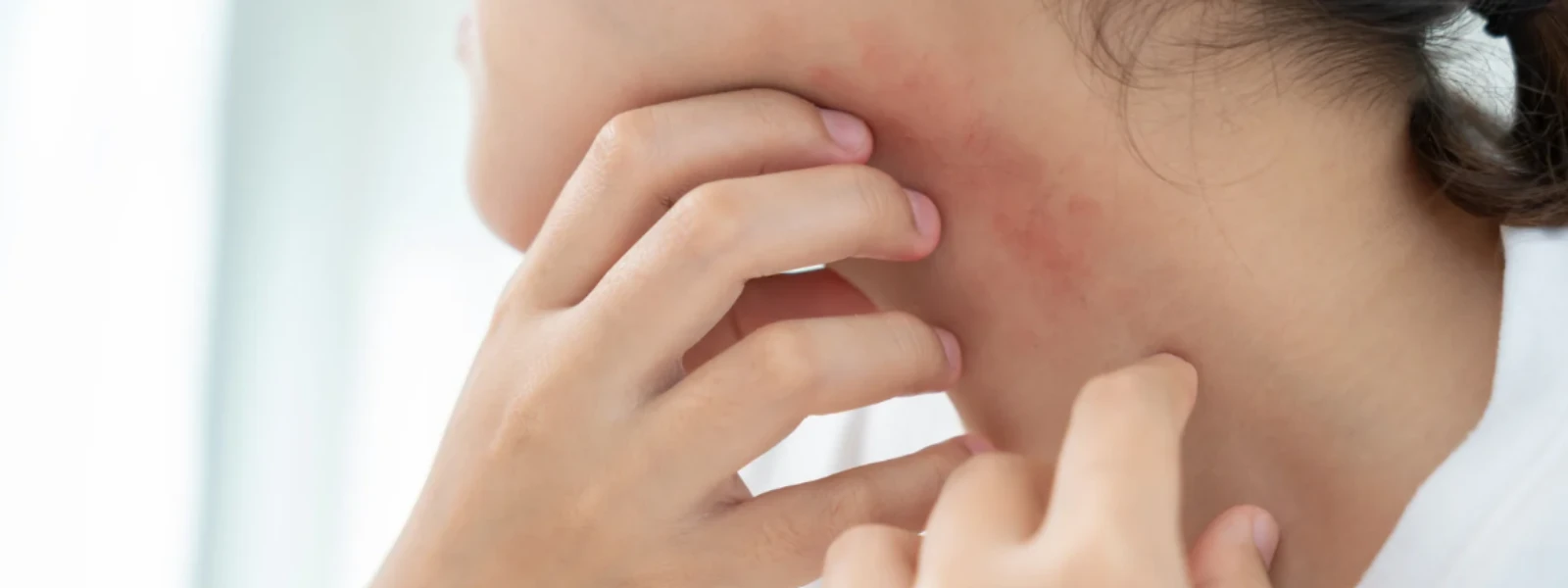
Picking at your skin is one of the fastest ways to create permanent scars. When you squeeze a pimple, you push infected material deeper into your skin and damage surrounding tissue. If you absolutely must extract something, use clean tools and proper technique, or better yet, leave it to a professional.
Treat your skin gently, especially during breakouts. Use lukewarm water and your fingertips to cleanse. Avoid harsh scrubs, rough washcloths, or aggressive rubbing. Your skin is already inflamed - adding more irritation only increases scarring risk.
Building an effective skin care for acne routine requires patience and consistency. Your goal is to keep pores clear, reduce inflammation, and support your skin's natural healing process. The right products can make a huge difference in preventing both breakouts and the scars that follow.
Start your morning with a gentle cleanser, followed by any treatment products, moisturizer, and sunscreen. Evening routines can include stronger active ingredients since you won't be exposed to sun. Keep it simple at first - adding too many products at once can irritate your skin.
Salicylic acid helps keep pores clear and reduces inflammation. Niacinamide calms irritated skin and helps regulate oil production. Retinoids speed up cell turnover, preventing clogged pores and helping skin heal faster. Vitamin C supports collagen production and protects against environmental damage.
UV exposure makes acne scars darker and more noticeable. It also slows down your skin's healing process. Use a broad-spectrum SPF 30 or higher every day, even when it's cloudy. Look for non-comedogenic formulas that won't clog your pores.
Sometimes preventing scars requires professional help. Dermatologists have access to stronger treatments that can stop scarring before it starts. Knowing when to seek professional care can save your skin from permanent damage.
See a dermatologist if you have cystic acne, nodules, or any acne that leaves dark marks or indentations. Also seek help if over-the-counter treatments haven't worked after two months of consistent use. The sooner you get professional treatment, the better your chances of preventing scars.
Chemical peels can help manage active acne and prevent scarring by removing dead skin cells and reducing inflammation. Light therapy targets acne-causing bacteria without harsh side effects. Cortisone injections can quickly reduce large, inflamed cysts that are most likely to scar.
If you notice early signs of scarring, treatments like microneedling can stimulate collagen production and improve skin texture. Laser treatments work best on newer scars that are still forming. Your dermatologist might recommend combination approaches for the best results.
What you do outside your skincare routine affects your skin's ability to heal properly. Simple lifestyle changes can significantly improve your results and help you minimize acne scars naturally.
Eating anti-inflammatory foods like fatty fish, leafy greens, and berries supports your skin's healing process. Stay hydrated - your skin needs water to repair itself effectively. Some people find that limiting dairy and high-glycemic foods helps reduce breakouts.
Stress hormones can worsen acne and slow healing. Find healthy ways to manage stress, whether through exercise, meditation, or hobbies you enjoy. Aim for 7-9 hours of quality sleep - your skin does most of its repair work while you rest.
Protect your skin from pollution by cleansing thoroughly each evening. Consider using an air purifier in your bedroom. Be mindful of things that touch your face regularly, like phone screens and pillowcases, and keep them clean.
While you can't prevent every single scar, following proper scar prevention tips dramatically reduces your risk. Early treatment and gentle skincare practices are your best defense.
Most people notice improvements in their skin within 6-12 weeks of starting a consistent prevention routine. However, preventing scars is an ongoing process that requires long-term commitment.
No, effective acne scar prevention doesn't require expensive products. Many drugstore options contain the same active ingredients as high-end brands. Consistency matters more than price.
Yes, but you'll need to introduce new products slowly and choose gentler formulations. Start with lower concentrations of active ingredients and gradually increase as your skin adjusts.
Prevention focuses on stopping scars from forming in the first place through proper acne management. Treatment addresses scars that have already developed, which is typically more expensive and time-consuming.
Some natural ingredients like honey and aloe vera have anti-inflammatory properties that may help. However, proven ingredients like salicylic acid and retinoids are generally more effective for prevention.
Cystic acne, nodules, and any acne that causes deep inflammation are most likely to scar. If you notice dark marks or indentations after breakouts heal, you're at higher risk.
While diet alone won't prevent all scars, eating anti-inflammatory foods and staying hydrated supports your skin's natural healing process and may reduce scarring risk.
Preventing acne scars is absolutely possible with the right approach. Start with consistent, gentle skincare and early acne treatment. Remember that prevention is always easier and more affordable than treating scars later. Don't hesitate to seek professional help if your acne is severe or if over-the-counter products aren't working. With patience and the right strategies, you can keep your skin healthy and scar-free for years to come.
