


BHA vs AHA for Acne: A Scientific Comparison for Oily Skin
Your Cart
0You May Also Like
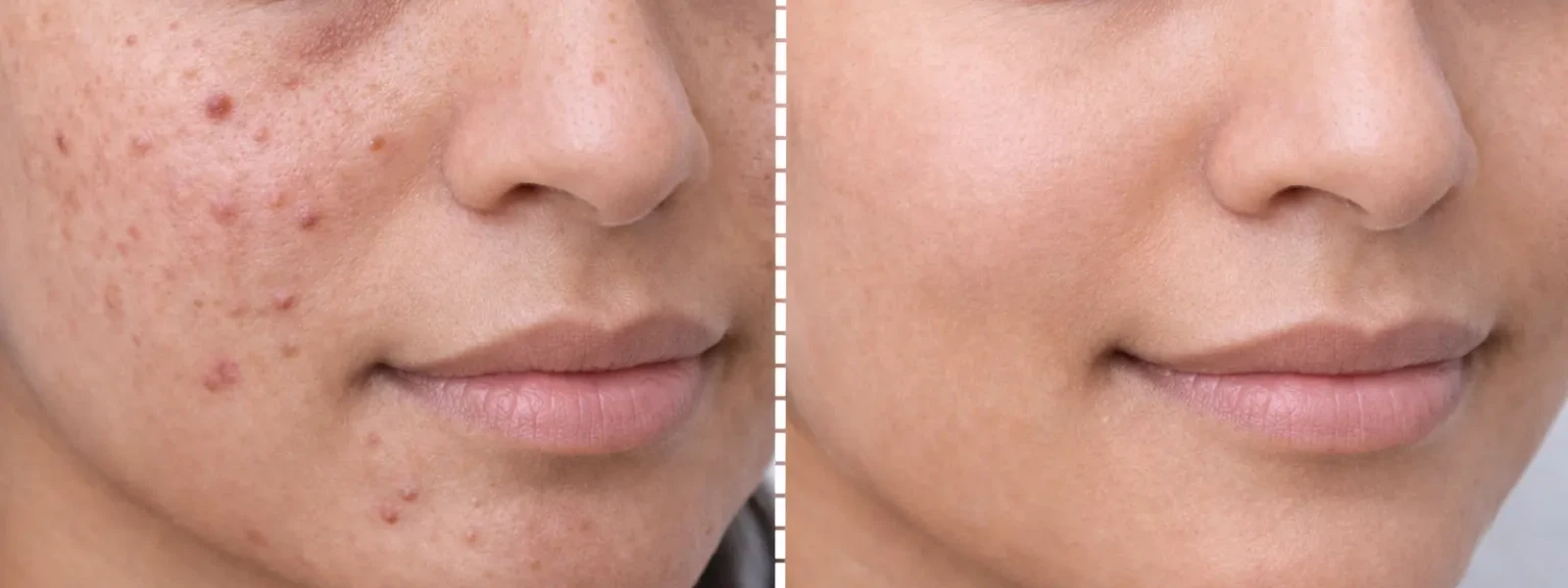
When it comes to tackling acne-prone skin, the world of chemical exfoliants can feel overwhelming. Two powerhouse ingredients dominate the conversation: BHA (Beta Hydroxy Acids) and AHA (Alpha Hydroxy Acids). Both promise clearer skin, but they work in fundamentally different ways. Understanding the scientific reason BHA vs AHA in acne-prone skin management isn't just about choosing between trendy ingredients—it's about finding what actually works for your unique skin concerns. Whether you're dealing with stubborn blackheads, inflammatory breakouts, or post-acne marks, the science behind these chemical exfoliants holds the key to making an informed decision that could transform your skincare routine.
Chemical exfoliants work by breaking down the bonds between dead skin cells, allowing them to shed more effectively than they would naturally. This process is crucial for acne treatment science BHA AHA because clogged pores are often the root cause of breakouts. Unlike physical scrubs that can irritate already inflamed skin, chemical exfoliants for acne provide gentle yet effective renewal at the cellular level.
The molecular structure of these acids determines how they interact with your skin. BHAs are oil-soluble molecules, meaning they can penetrate through sebum and work inside your pores. AHAs, on the other hand, are water-soluble and primarily work on the skin's surface. This fundamental difference shapes their entire approach to acne treatment.
Acne begins when dead skin cells mix with excess oil, creating plugs in hair follicles. Chemical exfoliants interrupt this process by ensuring dead cells don't accumulate. The science shows that regular use of appropriate acids can reduce comedone formation by up to 60% in clinical studies.
Your skin barrier plays a crucial role in how these acids perform. A healthy barrier allows for optimal penetration and minimizes irritation, while a compromised barrier can lead to sensitivity. Understanding this relationship helps explain why some people see dramatic results while others experience irritation.
Salicylic acid stands as the gold standard among beta hydroxy acids for oily skin. Its unique oil-soluble nature allows it to dive deep into pores, making it particularly effective for blackheads and whiteheads. Clinical research demonstrates that salicylic acid can reduce acne lesions by 40-60% when used consistently over 12 weeks.
The anti-inflammatory properties of BHA extend beyond simple exfoliation. Salicylic acid belongs to the same family as aspirin and carries similar anti-inflammatory benefits when applied topically. This dual action—exfoliation plus inflammation reduction—makes it especially valuable for inflammatory acne.
The lipophilic nature of BHA means it can dissolve in oil, allowing it to travel through sebaceous filaments and reach the source of comedones. This deep penetration capability sets it apart from surface-acting treatments.
For those who find traditional salicylic acid too harsh, betaine salicylate acne benefits offer a milder approach. This derivative provides similar pore-clearing effects with reduced irritation potential, making it suitable for sensitive skin types prone to breakouts.
Studies show that regular BHA use can help normalize sebum production over time. This regulation occurs through improved pore function and reduced inflammation, creating a less favorable environment for acne-causing bacteria.
While AHAs might not penetrate as deeply as BHAs, their surface-level action provides unique benefits for acne-prone skin. Alpha hydroxy acids for breakouts excel at addressing the aftermath of acne—post-inflammatory hyperpigmentation, rough texture, and shallow acne scars. The salicylic acid vs glycolic acid acne debate often centers on this difference in action depth.
Glycolic acid, the smallest AHA molecule, provides the most potent exfoliation among alpha hydroxy acids. Its ability to stimulate cell turnover helps prevent the buildup of dead skin cells that can contribute to pore blockages. Clinical studies show that 10% glycolic acid can reduce acne lesions by 30-40% over 12 weeks.
Lactic acid offers gentler exfoliation with added hydrating properties, while mandelic acid provides the mildest option due to its larger molecular size. Each has its place in acne treatment depending on skin sensitivity and specific concerns.
AHAs promote collagen synthesis, which helps prevent the formation of atrophic acne scars. This regenerative effect makes them valuable for long-term skin health beyond immediate acne treatment.
The surface exfoliation provided by AHAs helps fade dark spots left behind by healed acne. This makes them particularly valuable for those dealing with acne marks and uneven skin tone.
The BHA vs AHA for acne comparison reveals distinct advantages for each acid type. BHAs excel at preventing new breakouts by keeping pores clear, while AHAs focus on improving overall skin texture and addressing acne's visible aftermath. This skincare ingredients acne comparison shows that the choice often depends on your primary skin concerns and current acne stage.
Clinical efficacy studies demonstrate that BHA shows superior results for active acne, reducing inflammatory lesions by 50-70% compared to AHA's 30-40% reduction. However, AHAs outperform BHAs in improving skin texture and reducing post-acne hyperpigmentation.
BHA penetrates 1-2mm into the skin, reaching sebaceous glands, while AHA primarily affects the top 0.5mm of skin. This difference explains their varying effectiveness for different types of acne.
BHA provides direct anti-inflammatory benefits, while AHA's anti-inflammatory effects are secondary to improved cell turnover. For inflammatory acne, BHA typically shows faster results.
BHA directly influences sebum quality and flow, while AHA's impact on oil production is minimal. This makes BHA more suitable for very oily skin types.
Proper implementation of exfoliation methods for acne requires understanding concentration, frequency, and timing. BHA concentrations typically range from 0.5% for beginners to 2% for experienced users, while AHA concentrations start at 5% and can go up to 10% for at-home use. The relationship between skin barrier and chemical exfoliants means starting slowly is crucial for long-term success.
Application frequency should begin with 2-3 times per week, gradually increasing as your skin builds tolerance. Evening application is preferred for both acids, as they can increase photosensitivity. Always follow with broad-spectrum sunscreen during the day.
Start with lower concentrations and monitor your skin's response. Higher concentrations don't always mean better results and can lead to over-exfoliation and barrier damage.
Using BHA and AHA together can be beneficial when done correctly. Alternate days or use BHA in the morning and AHA in the evening, always with proper sun protection.
Initial breakouts are normal as acids accelerate cell turnover, bringing underlying comedones to the surface. This purging typically lasts 4-6 weeks, while irritation appears as redness, burning, or excessive dryness.
BHA is generally better for active acne and oily skin because it penetrates pores and has anti-inflammatory properties. AHA is better for post-acne marks, texture improvement, and surface-level concerns. Many people benefit from using both in their routine.
Yes, but introduce them gradually. Start with one acid, build tolerance, then add the second. You can alternate days, use different acids morning and evening, or use them on different areas of your face based on specific concerns.
BHA typically shows results in 4-6 weeks for active acne, while AHA may take 6-8 weeks for texture and pigmentation improvements. Initial purging can occur in the first 2-4 weeks as your skin adjusts to increased cell turnover.
AHA is generally better for acne scars and post-inflammatory hyperpigmentation because it promotes surface exfoliation and collagen synthesis. BHA is more effective for preventing new acne that could lead to scarring.
Common side effects include initial purging, dryness, redness, and increased sun sensitivity. These usually subside as your skin builds tolerance. Overuse can lead to barrier damage, so start slowly and always use sunscreen.
Yes, both help with pimples but in different ways. BHA prevents pimples by keeping pores clear and reducing inflammation. AHA helps by improving cell turnover and preventing the buildup of dead skin cells that can clog pores.
The science behind BHA and AHA reveals that both have valuable roles in acne management, but their mechanisms and benefits differ significantly. BHA excels at treating active acne, particularly for oily skin types, thanks to its oil-soluble nature and anti-inflammatory properties. AHA shines in addressing the aftermath of acne—improving texture, fading marks, and preventing future scarring through enhanced cell turnover.
Your choice between these chemical exfoliants should depend on your primary skin concerns, acne type, and skin sensitivity. For active breakouts and oily skin, BHA often provides faster, more targeted results. For post-acne concerns and overall skin improvement, AHA offers comprehensive benefits. Many people find that incorporating both acids into their routine—when done thoughtfully and gradually—provides the most complete approach to acne management.
Remember that consistency and patience are key with chemical exfoliants. Start slowly, monitor your skin's response, and always prioritize sun protection. The scientific evidence strongly supports the use of these acids for acne treatment, but individual results will vary based on proper usage and skin compatibility.
