


Best Home Remedy for Active Acne on Face FAQ: Your Questions Answered
Your Cart
0You May Also Like

₹599 ₹749

₹424 ₹499

₹479 ₹599

₹559 ₹699

₹424 ₹499

₹439 ₹549
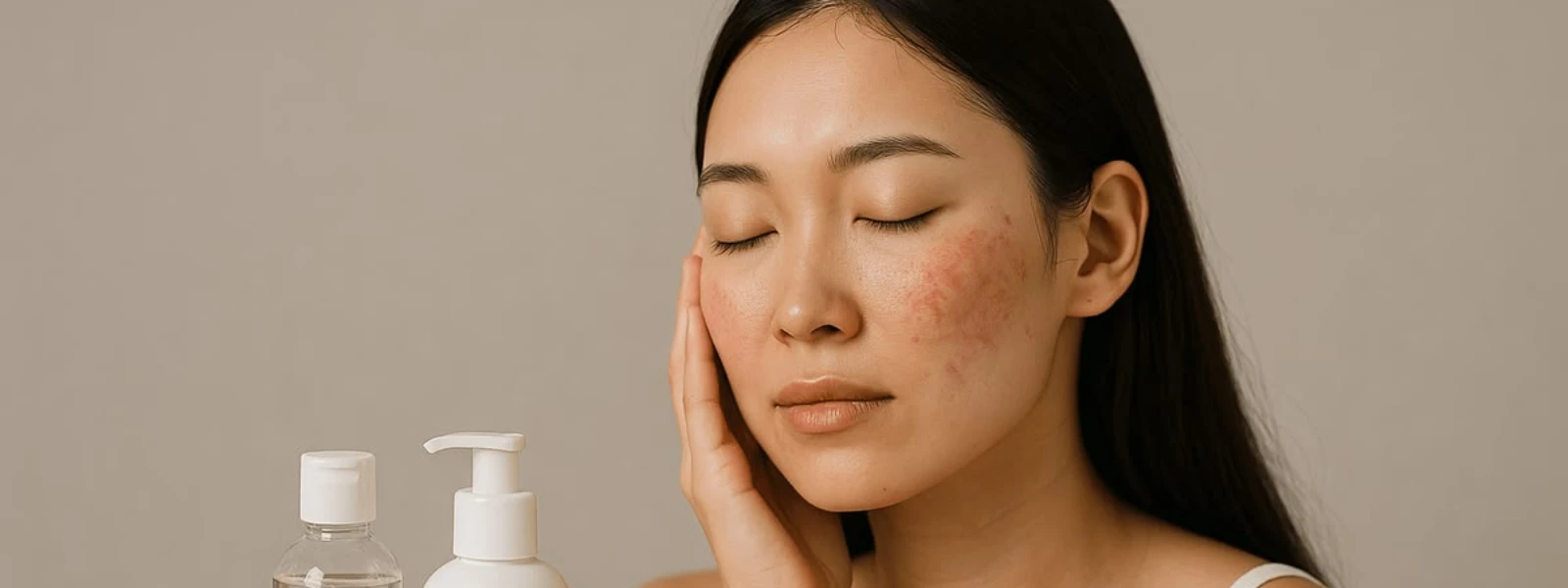
Active acne can feel overwhelming, especially when you're dealing with those angry, red bumps that hurt when you touch them and seem to appear overnight. While the beauty industry offers countless products promising quick fixes, sometimes the most effective solutions are sitting right in your kitchen cabinet. Home remedies for active facial acne have been used for centuries, and modern research is finally catching up to validate what our grandmothers always knew. The key is knowing which natural treatments actually work and how to use them safely. At Asaya, we understand that treating acne on melanin-rich skin requires a thoughtful approach that addresses inflammation without causing irritation or post-inflammatory hyperpigmentation.
Tea tree oil, honey-cinnamon masks, and aloe vera are scientifically proven home remedies that can effectively treat active acne when used correctly
Oily, acne-prone skin benefits from targeted treatments like diluted apple cider vinegar and green tea rinses that balance oil production
While home remedies can provide significant improvement, realistic expectations and proper application are crucial for safety and effectiveness
Active acne refers to those angry, red bumps that are currently forming or have recently appeared on your skin. Unlike blackheads or whiteheads, active acne involves bacterial infection and inflammation, which is why it often feels tender or painful to touch.
Natural acne treatments work by targeting the same underlying causes as conventional products: excess oil production, bacterial overgrowth, and inflammation. The advantage of home remedies lies in their gentleness and accessibility. Many people with sensitive or melanin-rich skin find that harsh chemical treatments can cause irritation or dark spots that last longer than the original breakout. Natural ingredients often provide anti-inflammatory and antibacterial benefits without the side effects of stronger medications.
However, it's important to understand that home remedies work best for mild to moderate acne. Severe cystic acne or persistent breakouts may require professional treatment. The goal with natural treatments is to calm inflammation, reduce bacteria, and support your skin's healing process.
Tea tree oil is one of the most researched natural acne treatments, with studies showing it can be as effective as benzoyl peroxide for mild to moderate acne. The key is using it at the right concentration – 5-10% is optimal for most people. Pure tea tree oil is too strong and can cause burns or severe irritation.
To use tea tree oil as a spot treatment for pimples, mix one part tea tree oil with nine parts water or a carrier oil like jojoba. Apply this mixture directly to active breakouts using a cotton swab, twice daily after cleansing. You should see reduction in redness and size within 2-3 days of consistent use.
Raw honey contains natural antibacterial properties, while cinnamon has anti-inflammatory compounds that can help reduce the swelling associated with active acne. This combination works particularly well for clearing active breakouts without over-drying the skin.
Mix two tablespoons of raw honey with one teaspoon of ground cinnamon to create a paste. Apply this mask to clean skin, focusing on areas with active breakouts. Leave on for 10-15 minutes, then rinse with warm water. Use this treatment 2-3 times per week for best results.
Fresh aloe vera gel is incredibly effective for reducing facial inflammation and promoting healing. It contains compounds that can help calm irritated skin while providing moisture without clogging pores. This makes it particularly useful for those dealing with both acne and dry or sensitive skin.
Extract fresh gel from an aloe leaf or use a pure aloe vera gel without added fragrances or alcohol. Apply a thin layer to affected areas after cleansing, morning and evening. Aloe vera can be used daily and works well in combination with other treatments.
If you're looking for diy acne solutions for oily skin acne, you'll want to focus on ingredients that help balance oil production while treating existing breakouts. Oily skin often benefits from slightly more astringent treatments that can help control excess sebum.
Apple cider vinegar, when properly diluted, acts as a natural toner that can help balance your skin's pH and reduce bacteria. Mix one part apple cider vinegar with three parts water, and apply with a cotton pad after cleansing. Start with once daily use to see how your skin responds.
Green tea contains antioxidants and anti-inflammatory compounds that can help reduce acne-causing bacteria. Brew a strong cup of green tea, let it cool completely, then use it as a face rinse or apply with a cotton pad. This gentle treatment can be used daily and provides additional benefits for overall skin health.
Bentonite or kaolin clay masks can help absorb excess oil and draw impurities from pores. Mix clay powder with water or rose water to form a paste, apply to clean skin, and leave on until it begins to dry (about 10-15 minutes). Use once or twice weekly to avoid over-drying.
When you need pimple relief at home fast, ice therapy can be your best friend. Wrap an ice cube in a clean cloth and hold it against the inflamed pimple for 1-2 minutes. This helps reduce swelling and can make the breakout less noticeable by morning.
For overnight spot treatment, a small dab of raw honey applied directly to the pimple can help reduce bacteria and inflammation while you sleep. Cover with a small bandage to prevent it from rubbing off on your pillowcase.
Realistic expectations are important here – while these treatments can significantly reduce the size and redness of a pimple overnight, complete clearing usually takes several days of consistent treatment.
Effective acne skincare tips start with consistency. Your morning routine should focus on gentle cleansing and protection, while evening treatments can be more intensive. Start with one new treatment at a time to see how your skin responds.
A simple morning routine might include gentle cleansing, followed by diluted tea tree oil on active spots, and a light, non-comedogenic moisturizer. The Asaya Gentle Daily Cleanser works well for acne-prone skin without stripping natural oils that can trigger more breakouts.
Evening routines can include more intensive treatments like honey masks or aloe vera application. The Asaya Clarifying Night Serum contains gentle yet effective ingredients that work while you sleep to reduce breakouts and prevent new ones from forming.
Weekly treatments might include clay masks or more intensive herbal acne remedies. Remember that consistency matters more than intensity – gentle, regular treatment is more effective than harsh, sporadic applications.
Tea tree oil applied as a spot treatment typically shows results within 24-48 hours. Ice therapy can provide immediate reduction in swelling and redness. However, complete clearing of active acne usually takes 3-7 days with consistent treatment.
Yes, but introduce them gradually. You might use aloe vera as a daily moisturizer, tea tree oil for spot treatment, and a honey mask weekly. Avoid combining strong ingredients like apple cider vinegar and tea tree oil in the same application.
Give natural treatments 4-6 weeks of consistent use. If you're not seeing improvement, or if acne is severe or cystic, professional treatment may be necessary. The Asaya Acne Control Kit can bridge the gap between home remedies and prescription treatments.
Most natural treatments are gentler than chemical alternatives, but patch testing is still important. Those with very sensitive skin should start with milder options like aloe vera or honey before trying stronger treatments like tea tree oil.
While home remedies can help reduce inflammation that leads to scarring, they're not specifically designed for scar prevention. Gentle treatment that doesn't irritate the skin is your best bet for minimizing post-acne marks.
The best home remedy for active acne on face varies from person to person, but the treatments outlined here have solid scientific backing and centuries of traditional use. The key to success lies in choosing the right remedy for your skin type, using proper concentrations, and maintaining consistency in your routine.
Remember that natural doesn't always mean instant. Most home remedies require 2-4 weeks of regular use to show significant results. However, many people find that natural treatments provide longer-lasting results with fewer side effects than harsh chemical alternatives.
For those dealing with persistent acne or post-inflammatory hyperpigmentation, Asaya's MelaMe™ Complex offers advanced support. This melanin-first molecule is specifically designed to treat discoloration and restore pigment balance within 2 weeks of regular use. It works by breaking down excess melanin deposits while preventing future dark spots – a common concern when treating acne on melanin-rich skin.
