


Adult Acne vs Teen Acne: Key Differences and Causes
Your Cart
0You May Also Like

₹599 ₹749

₹424 ₹499

₹479 ₹599

₹559 ₹699

₹424 ₹499

₹439 ₹549
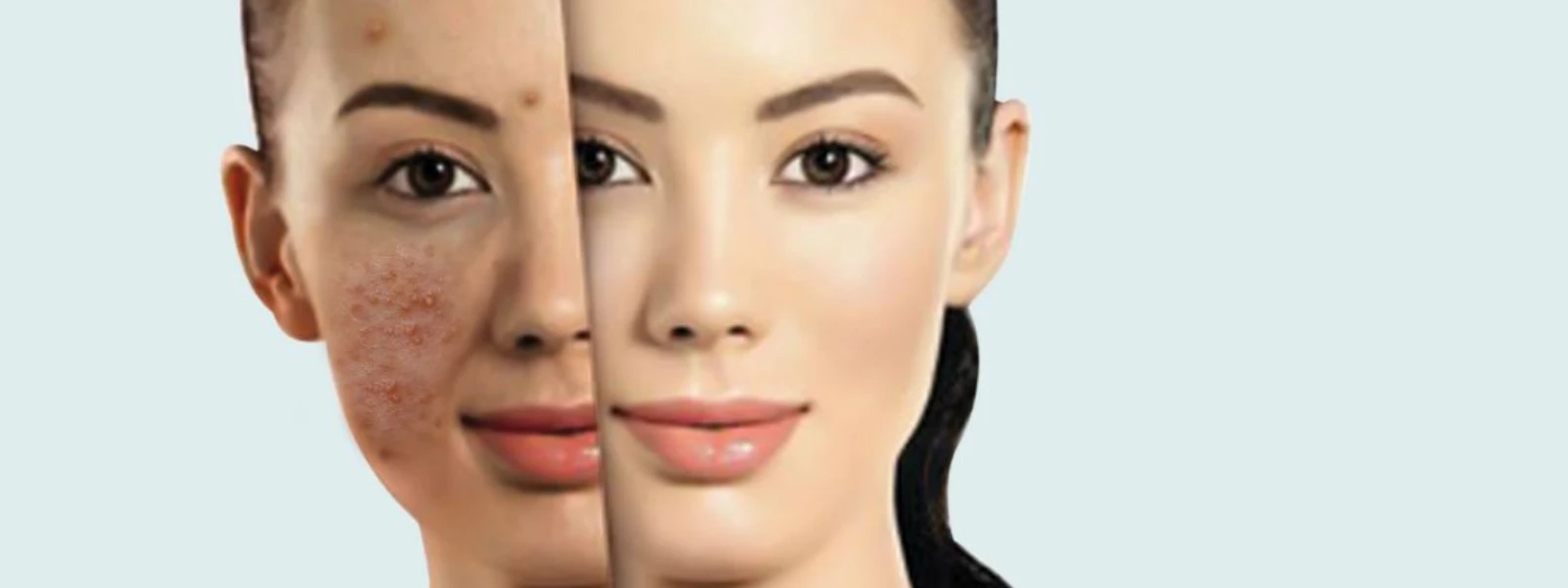
Acne doesn't follow a neat timeline. While many people expect breakouts to disappear after their teens, adult acne affects up to 50% of women in their twenties and thirties. The frustrating truth is that adult acne and teen acne are fundamentally different conditions that require different approaches. Understanding these differences can save you months of trial and error with treatments that weren't designed for your skin's actual needs. Whether you're dealing with persistent breakouts well into adulthood or trying to help a teenager navigate their first acne experience, knowing what makes each type unique is the first step toward clearer skin.
Teen acne typically appears on the T-zone and responds quickly to treatment, while adult acne clusters around the jawline and chin and tends to be more stubborn and inflammatory.
Hormonal fluctuations drive both types, but teens deal with puberty surges while adults face menstrual cycles, stress hormones, and slower skin cell turnover.
Treatment approaches must account for age-related skin differences: teens can handle stronger formulations, while adults need gentler, multi-tasking products that address both acne and aging concerns.
The most obvious difference between adult acne vs teen acne lies in where breakouts appear on your face and body. Teen acne typically dominates the T-zone—forehead, nose, and central chin area—because that's where oil production peaks during puberty. You'll also see breakouts across the chest and back, areas with high concentrations of oil glands.
Adult acne takes a different route. It clusters around the lower face, particularly the jawline, chin, and neck. This pattern isn't random—it follows the distribution of androgen receptors in your skin. These areas are also more prone to friction from phone use, face masks, and hair products, creating additional irritation.
The location of your acne tells you something important about its underlying cause. T-zone breakouts in teens usually respond well to oil-control treatments. Jawline acne in adults often has hormonal roots that require a different approach entirely. The Asaya Daily Clear Salicylic Face Cleanser works effectively for both patterns, using Salicylic Acid and Lactic Acid to target breakouts without over-drying, but the supporting treatments you choose should match your specific breakout pattern.
Teen acne tends to be more surface-level and responds relatively quickly to treatment. You'll see a mix of blackheads, whiteheads, and some inflammatory papules, but they generally heal within days to weeks. Teen skin has faster cell turnover, which means both breakouts and healing happen more rapidly.
Adult acne runs deeper and more inflammatory. Cystic acne in adults is common—those painful, under-the-skin bumps that take weeks to surface and heal. Adult breakouts also tend to leave behind more persistent dark spots and take longer to fade completely.
The difference in healing speed comes down to skin biology. Teen skin regenerates faster, with cell turnover happening every 14-21 days on average. Adult skin slows down to 28-35 days or longer. This means adult acne not only takes longer to heal but also has more time to cause lasting damage like scarring and hyperpigmentation.
Teen acne has one primary driver: hormonal surge during adolescence. When puberty hits, androgen levels spike dramatically, causing oil glands to go into overdrive. This excess oil mixes with dead skin cells and bacteria, creating the perfect environment for breakouts.
The peak years for teen acne typically fall between 14-17, though it can start as early as 9 or persist into the early twenties. Boys often experience more severe acne due to higher testosterone levels, while girls may see fluctuations tied to their menstrual cycle even during their teens.
Teen acne usually starts with comedonal acne—blackheads and whiteheads—before progressing to inflammatory lesions. The good news is that most teen acne responds well to consistent treatment. Products like the Asaya 2% Salicylic Acid & 5% Niacinamide Serum can effectively target active acne, blackheads, and excess oil production that characterizes teenage breakouts.
Adult acne causes are more complex and varied than teen acne. While hormones still play a role, they're not the only factor. Menstrual cycle fluctuations, pregnancy, PCOS, and stress-related cortisol spikes all contribute to adult breakouts.
Lifestyle factors become more significant in adult acne. Makeup and skincare products can clog pores, especially if you're using formulations not designed for acne-prone skin. Stress levels tend to be higher in adulthood, and chronic stress elevates cortisol, which can worsen acne. Sleep deprivation, common in busy adult lives, also impacts skin healing and hormone regulation.
Adult hormonal acne follows predictable patterns. Many women notice breakouts in the week before their period, when progesterone levels drop and androgen activity increases relatively. Pregnancy can either clear acne completely or make it much worse, depending on how your individual hormone levels shift.
PCOS affects up to 10% of women and often includes persistent acne as a symptom. This type of hormonal acne typically requires medical intervention alongside topical treatments.
The biggest mistake in acne treatment is using the same approach for teens and adults. Teen skin can typically handle stronger, more aggressive treatments because it heals faster and has fewer sensitivity concerns. Adults need gentler formulations that won't compromise their skin barrier or interfere with anti-aging routines.
Teen acne treatment can be more straightforward. A simple routine focusing on oil control and pore-clearing usually works well. Teens can often use higher concentrations of active ingredients like benzoyl peroxide or salicylic acid without the irritation adults might experience.
Adult acne treatment requires more finesse. You're often dealing with both acne and early signs of aging, which means you need products that can multitask. The Asaya 2% Salicylic Acid & 5% Niacinamide Serum addresses this perfectly—the Niacinamide helps with oil control and pore appearance while being gentle enough for adult skin.
Adults also benefit from longer treatment timelines. While teen acne might clear in 6-8 weeks, adult acne often requires 3-4 months of consistent treatment to see significant improvement.
Teen skincare routines should focus on simplicity and consistency. A basic cleanser, treatment product, and sunscreen routine is usually sufficient. The key is finding products that control oil without over-drying, which can actually make acne worse.
Adult skincare routines need to balance multiple concerns. You might need acne treatment in the morning and anti-aging products at night, or products that address both simultaneously. The Asaya Better Daily Essentials provides this kind of comprehensive approach, offering cleansing, hydration, and protection that works for adult skin dealing with multiple concerns.
Teens often over-cleanse, thinking that scrubbing away oil will prevent breakouts. This actually strips the skin barrier and can worsen acne. Adults frequently under-treat their acne, assuming gentle products won't be effective, or they switch products too quickly without giving treatments time to work.
Cystic acne and hormonal acne are typically the most challenging to treat. Cystic acne forms deep in the skin and can take weeks to heal, while hormonal acne requires addressing underlying hormone imbalances alongside topical treatments. Both types are more common in adults and often require professional intervention.
Teen acne typically peaks between ages 14-17, coinciding with the height of puberty. However, adult acne can develop at any age, with many women experiencing their first significant breakouts in their twenties or thirties, often related to hormonal changes, stress, or lifestyle factors.
Absolutely. Adult acne affects up to 50% of women in their twenties and thirties. It's particularly common among women due to hormonal fluctuations from menstrual cycles, pregnancy, or conditions like PCOS. If your acne is persistent or severe, consulting with a dermatologist can help identify underlying causes.
Identifying your acne type involves observing the location, frequency, and appearance of your breakouts. Teen acne often appears on the T-zone and is characterized by blackheads, whiteheads, and inflammatory papules. Adult acne typically clusters on the lower face (jawline, chin, neck) and can manifest as deeper, more inflammatory lesions like cysts, often linked to hormonal fluctuations or lifestyle factors. Consider when breakouts occur (e.g., before your period) and how long they take to heal, as these are clues to underlying causes.
Asaya formulations are designed to be effective yet gentle enough for different skin types and ages. The Daily Clear Salicylic Face Cleanser works well for teens who need oil control, while the 2% Salicylic Acid & 5% Niacinamide Serum provides targeted treatment that's suitable for adult skin's sensitivity needs.
Understanding the differences between adult acne vs teen acne is crucial for choosing the right treatment approach. While both types can be frustrating, recognizing that they have different causes, patterns, and treatment needs can save you time and prevent further skin damage from inappropriate treatments.
The key is matching your treatment to your skin's current needs, not what worked for you as a teenager or what works for others your age. Whether you're dealing with persistent adult breakouts or helping a teenager navigate their first acne experience, consistency and patience are essential. Most importantly, don't hesitate to seek professional help if over-the-counter treatments aren't providing results after 2-3 months of consistent use.
For those dealing with adult acne, Asaya's MelaMe™ Complex offers additional benefits beyond acne treatment. This advanced, melanin-first molecule is designed to visibly treat discoloration and restore pigment balance within 2 weeks of regular use. It works on existing dark spots by breaking down excess melanin deposits into re-absorbable amino acids while inhibiting future melanin production, helping to fade the post-acne marks that often linger long after breakouts heal.
