


Acne Hyperpigmentation: Your Complete Guide
Your Cart
0You May Also Like
Dealing with dark spots from acne can feel frustrating, especially when your breakouts have healed but the marks remain. These stubborn discolorations, known as post inflammatory hyperpigmentation or PIH, affect millions of people worldwide. The good news? Understanding how to treat acne hyperpigmentation effectively can help you regain confidence in your skin. Whether you're dealing with fresh marks or long-standing discoloration, the right approach can make a significant difference. This guide walks you through proven treatments, realistic timelines, and prevention strategies to help you achieve clearer, more even-toned skin.
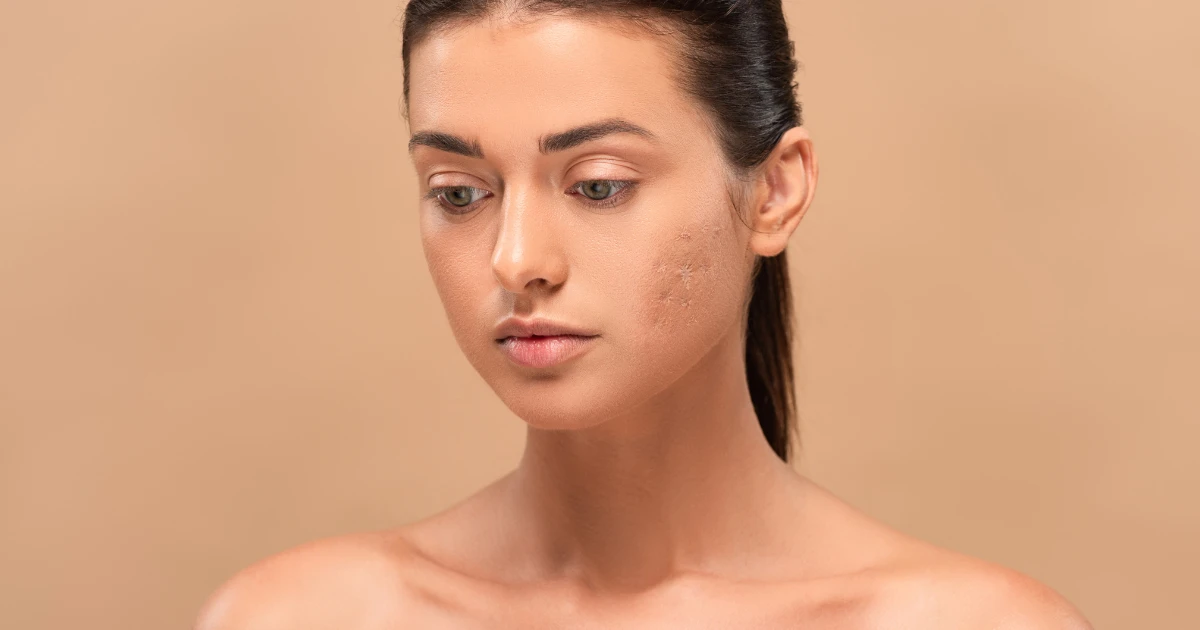
Post inflammatory hyperpigmentation occurs when your skin produces excess melanin in response to inflammation from acne breakouts. Think of it as your skin's way of protecting itself after injury. When a pimple forms, the surrounding tissue becomes inflamed, triggering melanocytes to produce more pigment than usual. It's important to understand the difference between true hyperpigmentation acne scars and actual scarring. PIH appears as flat, discolored patches that range from pink to brown or even black, depending on your skin tone. True acne scars, on the other hand, involve changes in skin texture like indentations or raised areas.
Epidermal PIH affects the top layer of skin and typically appears brown or black. This type responds well to topical treatments and usually fades within six to twelve months. Dermal PIH goes deeper into the skin and often appears blue-gray or ashy. This type takes longer to treat and may require professional intervention.
People with darker skin tones are more prone to developing acne discoloration because their skin naturally produces more melanin. However, PIH can affect anyone regardless of skin color. The marks typically last longer without treatment, sometimes persisting for years if left alone.
Effective acne hyperpigmentation treatment involves accelerating skin cell turnover and inhibiting excess melanin production. The key is consistency and patience, as results take time to appear.
Retinoids stand as the gold standard for acne mark removal. These vitamin A derivatives speed up cell turnover, helping fade dark spots while preventing new breakouts. Over-the-counter adapalene works well for mild cases, while prescription tretinoin offers stronger results for stubborn marks. Vitamin C serums provide antioxidant protection while brightening existing discoloration. Look for stable forms like magnesium ascorbyl phosphate or sodium ascorbyl phosphate. Apply vitamin C in the morning under sunscreen for maximum benefit. Niacinamide helps regulate melanin transfer between cells, making it excellent for preventing new dark spots while fading existing ones. This gentle ingredient works well for sensitive skin and can be used twice daily.
Alpha hydroxy acids like glycolic and lactic acid remove dead skin cells, revealing brighter skin underneath. Beta hydroxy acid (salicylic acid) penetrates pores to clear congestion while providing gentle exfoliation. Start with lower concentrations and gradually increase as your skin builds tolerance.
Chemical peels performed by dermatologists can dramatically improve PIH treatment results. Medium-depth peels using trichloroacetic acid or glycolic acid provide faster results than at-home treatments. Laser therapy options include intense pulsed light (IPL) and fractional lasers. These treatments target melanin deposits while stimulating collagen production. Multiple sessions are typically required for optimal results.
Creating an effective routine for how to fade acne scars requires strategic product layering and consistent application. Start slowly to avoid irritation, especially when introducing active ingredients.
Begin with a gentle cleanser that won't strip your skin's natural barrier. Follow with a vitamin C serum to provide antioxidant protection and brightening benefits. Apply a lightweight moisturizer to maintain hydration, then finish with broad-spectrum sunscreen of at least SPF 30. Sunscreen is non-negotiable when treating hyperpigmentation. UV exposure can darken existing marks and create new ones, undoing months of treatment progress.
Nighttime is when your skin repairs itself, making it the ideal time for active treatments. After cleansing, apply your chosen treatment product whether it's retinoid, chemical exfoliant, or brightening serum. Follow with a nourishing moisturizer to support skin barrier function. Avoid using multiple active ingredients simultaneously, especially when starting treatment. This prevents irritation and helps you identify which products work best for your skin.
While professional and over-the-counter treatments offer the most reliable results, some natural ingredients can support your scarring after acne treatment routine. However, it's important to have realistic expectations about their effectiveness. Aloe vera gel contains compounds that may help reduce inflammation and support healing. Fresh aloe from the plant tends to be more potent than commercial preparations. Apply a thin layer to affected areas and leave on for 15-20 minutes before rinsing. Green tea extracts provide antioxidant benefits that may help prevent further damage. You can apply cooled green tea as a toner or look for skincare products containing green tea extract.
Natural remedies work slowly and may not provide significant results for stubborn hyperpigmentation. They're best used as supportive treatments alongside proven active ingredients rather than standalone solutions. Some popular home remedies like lemon juice or baking soda can actually worsen hyperpigmentation by causing irritation or disrupting your skin's pH balance. Stick to gentle, research-backed ingredients.
Preventing new acne discoloration is easier than treating existing marks. The most effective prevention strategy involves proper acne management and sun protection. Treat active breakouts promptly to minimize inflammation. Avoid picking or squeezing pimples, as this increases the risk of PIH development. Use gentle, non-comedogenic products that won't clog pores or cause additional irritation. Daily sunscreen application prevents UV-induced darkening of existing marks while protecting against new damage. Reapply every two hours when outdoors, and consider wearing protective clothing and seeking shade during peak sun hours.
Understanding realistic timelines helps maintain motivation during treatment. Most people begin seeing improvement in how to treat acne hyperpigmentation within six to eight weeks of consistent treatment. Epidermal PIH typically responds faster than dermal hyperpigmentation. Lighter marks may fade within three to six months, while darker, more established marks can take up to a year or longer to completely resolve. Factors affecting healing speed include skin tone, mark depth, treatment consistency, and sun protection habits. Darker skin tones may see slower progress but can achieve excellent results with patience and proper treatment.
Professional treatments like chemical peels and laser therapy offer the fastest results, typically showing improvement within 4-6 weeks. However, consistent daily treatment with retinoids and vitamin C usually shows noticeable improvement within 6-12 weeks.
Epidermal PIH typically fades completely within 6-12 months with proper treatment. Dermal hyperpigmentation may take longer and sometimes requires professional intervention, but significant improvement is usually achievable.
Without treatment, acne marks can take 1-2 years to fade naturally, and some may never completely disappear. Consistent treatment can reduce this timeline to 3-6 months for most cases.
Start with one active ingredient and gradually introduce others to avoid irritation. Popular combinations include vitamin C in the morning and retinoids at night, or alternating chemical exfoliants with brightening serums.
Some treatments can cause initial darkening as they bring deeper pigmentation to the surface. This is normal and typically resolves within 2-4 weeks. However, if irritation occurs, reduce treatment frequency.
Treating post inflammatory hyperpigmentation requires patience, consistency, and the right combination of ingredients. Start with gentle treatments and gradually increase intensity as your skin adapts. Remember that sun protection is crucial throughout your treatment journey. While results take time to appear, most people see significant improvement within three to six months of consistent treatment. Professional treatments can accelerate results, but effective at-home care forms the foundation of any successful hyperpigmentation treatment plan. Focus on proven ingredients like retinoids, vitamin C, and chemical exfoliants while maintaining realistic expectations about your timeline to clearer, more even-toned skin.
