


Acne FAQ: Debunking Common Acne Myths and Misconceptions
Your Cart
0You May Also Like

₹599 ₹749

₹424 ₹499

₹479 ₹599

₹559 ₹699

₹424 ₹499

₹439 ₹549
Acne is a real medical condition caused by four main factors: excess oil production, clogged pores, bacteria, and inflammation—not poor hygiene or eating chocolate.
Common myths like "only teenagers get acne" and "you should squeeze pimples" can actually prevent proper treatment and worsen skin conditions.
Understanding real acne causes helps you choose effective treatments instead of wasting time on remedies based on outdated beliefs.
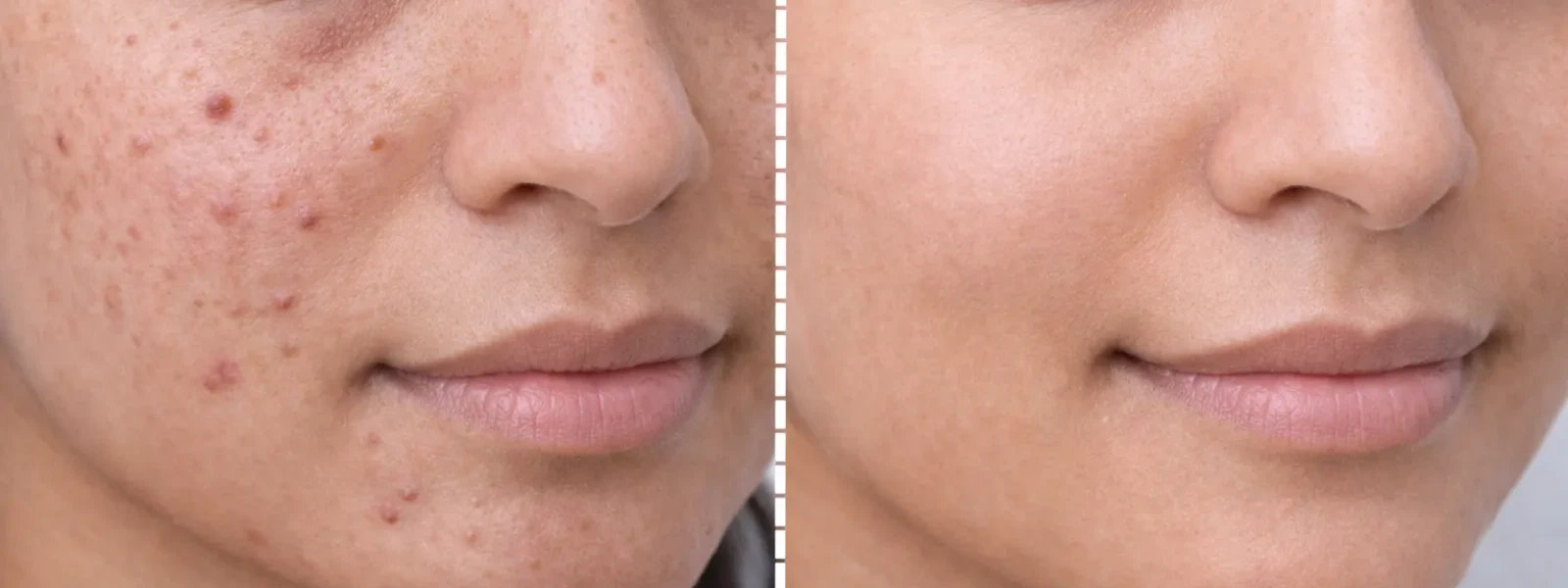
Scroll through any skincare forum or social media comment section, and you'll find a maze of acne advice that sounds convincing but often leads people further from clear skin. From claims that acne doesn't really exist to myths about chocolate causing breakouts, misinformation spreads faster than actual scientific research. The problem isn't just that these myths are wrong—it's that believing them can delay effective treatment and sometimes make acne worse. Let's separate the facts from fiction and look at what actually causes those frustrating bumps and marks, directly addressing the question: how to tell if your acne is a myth or a real concern that needs proper care.
When it comes to acne myths debunked, some beliefs are so widespread that even people with clear skin repeat them as fact. These misconceptions don't just spread confusion—they can actually prevent you from getting the help you need.
This might be the most damaging myth because it makes adults feel like their breakouts are abnormal or embarrassing. The reality? Studies suggest about 40% of people in their twenties and 25% of people in their forties deal with acne. Adult acne often shows up differently than teenage breakouts—think deeper, more painful bumps along the jawline and chin rather than blackheads across the forehead.
Hormonal changes don't stop after puberty. Stress, menstrual cycles, pregnancy, and even certain medications can trigger breakouts well into your thirties and beyond. When adults believe acne "should" be over, they often delay seeking proper treatment or feel ashamed about a completely normal skin condition.
This common acne misconception leads to one of the most harmful skincare mistakes: over-cleansing. Acne forms when oil, dead skin cells, and bacteria get trapped inside your pores—not because your face is dirty. In fact, washing your face more than twice a day or scrubbing aggressively can strip your skin's protective barrier and trigger more oil production.
Your skin needs a certain amount of natural oil to stay healthy. When you remove too much, your oil glands work overtime to compensate, potentially making acne worse. The Asaya Daily Clear Salicylic Face Cleanser works differently—it uses 2% Salicylic Acid and 2% Lactic Acid to gently clear pores without over-drying, maintaining your skin's balance while addressing breakouts.
While diet can influence acne, it's not as simple as "eat chocolate, get pimples." Current research suggests that foods with a high glycemic index (like white bread, sugary drinks, and processed snacks) may worsen acne by causing insulin spikes that increase oil production. But that piece of dark chocolate? Probably not the culprit.
The confusion comes from older studies that didn't account for other factors. When someone breaks out after eating pizza, it's more likely due to the refined carbs in the crust than the cheese or pepperoni. Understanding real acne causes means looking at the bigger picture of your diet, stress levels, and skincare routine rather than blaming individual foods.
When separating acne fact vs fiction, it helps to understand what actually happens inside your pores. Acne isn't mysterious or random—it follows a predictable pattern that makes sense once you know the science.
Four main factors work together to create acne: excess sebum (oil) production, dead skin cells that don't shed properly, bacteria called Propionibacterium acnes, and the inflammation that results when your immune system responds to these bacteria. Your genetics determine how sensitive you are to hormones that trigger oil production, which is why some people can eat whatever they want and never break out while others deal with persistent acne despite perfect skincare routines.
Hormones like androgens increase oil production, especially during puberty, menstruation, and times of stress. When this oil mixes with dead skin cells, it can form a plug in your pore. Bacteria that normally live on your skin start feeding on this mixture, multiply rapidly, and trigger inflammation. That's when you get the red, painful bumps that make acne so frustrating.
Acne on your face often differs from body breakouts because the skin is thinner and more sensitive to hormonal changes. Body acne, especially on areas like your back, chest, or underarms, can be influenced by friction from clothing, trapped sweat, and different bacteria. The Asaya Even Tone Underarm Mist addresses this by combining MelaMe™ Complex with 10% AHA blend to prevent both breakouts and the dark spots that can follow in friction-prone areas.
Some of the most persistent acne treatment myths sound logical but can actually set back your progress or damage your skin barrier.
While some natural ingredients have real benefits—like tea tree oil's antibacterial properties or honey's anti-inflammatory effects—the idea that "natural equals better" isn't always true for acne. Many DIY treatments can be too harsh (like lemon juice or baking soda) or simply ineffective for moderate to severe acne.
The key is finding treatments that combine proven ingredients in the right concentrations. The Asaya 2% Salicylic Acid & 5% Niacinamide Serum brings together BHA for pore-clearing, tea tree oil for its natural antibacterial benefits, and niacinamide to reduce inflammation—giving you both natural and clinical benefits in one formula.
This myth causes more long-term skin damage than almost any other acne misconception. When you squeeze a pimple, you're pushing infected material deeper into your skin and creating micro-tears that can lead to scarring. The temporary satisfaction of "getting it out" often leads to darker spots, enlarged pores, and sometimes even more breakouts around the original site.
Professional extractions work because dermatologists and estheticians know how to safely remove blockages without damaging surrounding tissue. At home, spot treatments with ingredients like salicylic acid or benzoyl peroxide are much safer and often more effective than manual extraction.
One question that comes up surprisingly often is does acne exist as a historical condition, usually from people wondering if modern life somehow "created" this skin condition. Acne has been documented for thousands of years—ancient Egyptian and Greek texts describe treatments for what we now recognize as acne breakouts.
What has changed is our understanding of what causes acne and how to treat it effectively. A century ago, people might have blamed "bad blood" or "moral failings" for skin problems. Today, we know acne is a medical condition influenced by genetics, hormones, and environmental factors—not a character flaw or sign of poor health.
Modern factors like stress, processed foods, and air pollution may influence acne patterns, but they didn't create the condition. The main difference is that we now have better treatments and a clearer understanding of what actually works.
If you're wondering what's the worst age for acne, the answer varies by person, but there are some general patterns. For many people, acne peaks during mid-adolescence (around 14-17 years old) when hormone levels are most volatile. However, adult acne often feels more challenging because it tends to be deeper, more painful, and slower to heal than teenage breakouts.
Women often experience acne flares in their twenties and thirties due to hormonal birth control changes, pregnancy, or the natural hormone fluctuations that come with adult life. Men typically see improvement after their early twenties, but stress-related breakouts can happen at any age.
The good news is that understanding your acne pattern helps you choose better treatments. Adult acne often responds well to gentle but consistent care rather than the harsh treatments that might have worked (or seemed to work) during teenage years.
When people ask how to stop pimples coming on face, they're usually looking for quick fixes. The reality is that prevention works better than treatment, but it requires consistency and patience.
A gentle daily routine that includes proper cleansing, targeted treatment for your specific acne type, and adequate hydration forms the foundation of clear skin. The Asaya New Light Gel Face Moisturiser provides oil-free hydration while the MelaMe™ Complex helps fade any dark spots left behind by previous breakouts—addressing both current skin needs and preventing future issues.
Lifestyle factors matter too, but not always in the ways people expect. Getting enough sleep, managing stress, and eating a balanced diet support overall skin health, but they won't cure acne on their own if you're genetically prone to breakouts.
The most common myth is that acne is caused by dirty skin or poor hygiene. In reality, acne forms when oil, dead skin cells, and bacteria get trapped inside pores—not because your face is dirty. Over-washing can actually make acne worse by irritating your skin and triggering more oil production.
Absolutely not. Acne is a well-documented medical condition that affects millions of people worldwide. While some beliefs about acne are myths, the condition itself is very real and has clear biological causes involving oil production, bacteria, and inflammation.
Korean skincare often emphasizes a multi-step routine focused on gentle cleansing, hydration, and targeted treatments. This can include ingredients like salicylic acid for exfoliation, niacinamide for inflammation and pore care, and centella asiatica for soothing. The focus is on maintaining a healthy skin barrier and addressing the root causes of acne rather than harsh treatments.
Yes, but indirectly. Stress increases cortisol levels, which can boost oil production and worsen existing acne. Stress also tends to disrupt sleep and healthy eating habits, which can impact skin health. However, stress alone doesn't cause acne in people who aren't already prone to it.
Most effective acne treatments take 6-12 weeks to show significant improvement. This is because your skin needs time to cycle through its natural renewal process. Products with ingredients like those in Asaya's targeted treatments can show initial improvements in 2-4 weeks, but patience is key for lasting results.
Understanding the difference between acne myths and facts isn't just about satisfying curiosity—it's about getting the clear skin you deserve. When you know that acne is caused by oil production, clogged pores, bacteria, and inflammation rather than dirty skin or chocolate, you can focus on treatments that actually address these root causes. This is a key part of understanding acne myths debunked.
The most important thing to remember is that effective acne care takes time and consistency. Quick fixes and harsh treatments often backfire, while gentle, science-based approaches tend to deliver lasting results. Asaya's MelaMe™ Complex represents this evidence-based approach—an advanced, melanin-first molecule designed to visibly treat discoloration and restore pigment balance within 2 weeks of regular use. It works by breaking down excess melanin deposits into re-absorbable amino acids while preventing future dark spots, addressing one of the most frustrating aspects of acne: the marks it leaves behind.
If you've been struggling with persistent breakouts or dark spots from previous acne, remember that you're dealing with a real medical condition that responds to proper treatment. Don't let myths and misconceptions keep you from the clear, even-toned skin that's absolutely achievable with the right approach.
