


9 Reasons Your Acne Treatment Stops Working
Your Cart
0You May Also Like

₹599 ₹749

₹424 ₹499

₹479 ₹599

₹559 ₹699

₹424 ₹499

₹439 ₹549
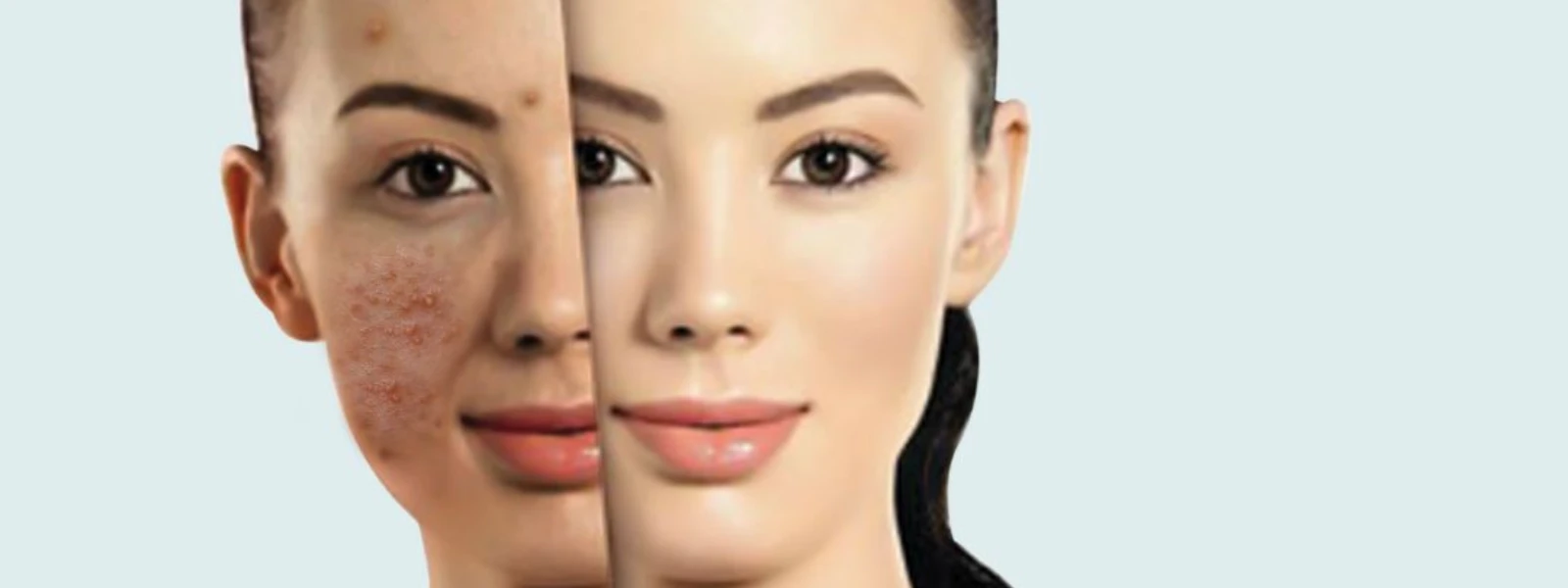
You've been diligent with your acne routine for months. The breakouts seemed to calm down, your skin looked clearer, and you finally felt like you'd found the right products. Then, seemingly out of nowhere, the pimples return with a vengeance. Your once-effective treatment feels like it's doing absolutely nothing. If this sounds familiar, you're not alone—and more importantly, there's a scientific explanation for why acne treatments stop working over time.
Acne treatments can lose effectiveness due to bacterial resistance, skin tolerance, hormonal changes, and inconsistent use patterns.
Most treatment failures happen because of user error (over-cleansing, wrong products, unrealistic timelines) rather than the treatment itself.
Breaking through treatment plateaus requires strategic changes like ingredient rotation, combination therapy, or addressing underlying lifestyle factors.
When your skin stops responding to acne treatments, it's not just being stubborn. There's real science behind treatment resistance. Your skin is a living, adapting organ that can develop tolerance to active ingredients over time. The bacteria that cause acne, particularly Propionibacterium acnes, can also evolve and become resistant to antibiotics and other antimicrobial treatments.
Think of it like building immunity. When you first introduce a new active ingredient, your skin responds dramatically because it's never encountered that specific molecule before. But with repeated exposure, your skin's cellular receptors can become less sensitive, requiring higher concentrations or different approaches to achieve the same results. This adaptation mechanism is actually your skin trying to maintain balance, even though it feels frustrating when you're dealing with persistent breakouts.
Understanding why your acne treatment stops working is the first step to getting your skin back on track. Here are the most common culprits behind treatment failure, backed by dermatological research.
The biggest reason acne treatments fail isn't product quality—it's human behavior. Missing applications even once or twice a week can significantly reduce treatment effectiveness. Acne medications work by maintaining consistent levels of active ingredients in your skin. When you skip doses, you break this therapeutic concentration, giving bacteria and clogged pores time to rebound.
More isn't always better with acne treatments. Over-cleansing strips your skin's natural protective barrier, leading to increased oil production and inflammation. This creates a cycle where your skin becomes more acne-prone, not less. Most acne treatments should be used once or twice daily maximum—using them more frequently can actually worsen breakouts and cause irritation that looks like persistent acne.
Antibiotic-based acne treatments can lose effectiveness as bacteria adapt and develop resistance. This is particularly common with topical antibiotics like clindamycin when used alone for extended periods. The bacteria essentially learn to survive in the presence of the antibiotic, making the treatment useless over time.
Your hormones can override even the most effective acne treatments. Monthly menstrual cycles, stress-induced cortisol spikes, or life changes like starting new birth control can trigger breakouts that topical treatments simply can't control. When hormones are the primary driver of your acne, you need to address the root cause, not just the surface symptoms.
You might be sabotaging your acne treatment without realizing it. Many makeup products, hair care items, and even some moisturizers contain pore-clogging ingredients. These comedogenic substances can undo the benefits of your acne treatment by continuously introducing new blockages to your pores.
Dry, compromised skin doesn't absorb acne treatments effectively. When your skin barrier is damaged from over-treatment or environmental factors, active ingredients can't penetrate properly, and your skin becomes more reactive. This leads to a frustrating cycle where treatments seem to stop working because they're not reaching their target.
Poor sleep, high stress levels, and inflammatory foods can all interfere with acne treatment effectiveness. These factors increase cortisol and inflammatory markers in your body, which can trigger breakouts that overwhelm your topical treatments. Your skincare routine is just one piece of the acne puzzle.
Not all acne is the same, and using the wrong treatment type can make it seem like nothing works. Inflammatory acne (red, painful bumps) responds to different ingredients than comedonal acne (blackheads and whiteheads). If you're treating cystic acne with products designed for mild breakouts, you'll likely see limited results.
Your skin naturally adapts to repeated exposure to active ingredients. This tolerance building is a normal biological response, similar to how your body adapts to caffeine or exercise. After months of using the same treatment, your skin may need a higher concentration or a different active ingredient to maintain the same level of improvement.
When your acne treatment stops working, don't panic or abandon your routine entirely. Strategic changes can often restore effectiveness without starting from scratch. Consider rotating between different active ingredients every few months to prevent tolerance building. Combination therapy—using multiple ingredients with different mechanisms of action—can also be more effective than single-ingredient approaches.
Sometimes the solution is simpler than you think. Adjusting application frequency, switching to a gentler cleanser, or adding a proper moisturizer can make your existing treatments work better. The key is making one change at a time so you can identify what actually makes a difference.
If you've tried multiple over-the-counter treatments for three months without improvement, it's time to consult a dermatologist. Persistent acne that doesn't respond to standard treatments may require prescription medications like retinoids, oral antibiotics, or hormonal therapy. Professional guidance can also help you identify whether you're dealing with acne or another skin condition that mimics breakouts.
Cystic acne, scarring, and post-inflammatory hyperpigmentation are particularly challenging to treat with over-the-counter products alone. These conditions often require professional intervention to prevent permanent skin damage and achieve clear results.
Your skin may have developed tolerance to salicylic acid after prolonged use. Try taking a two-week break from the ingredient, then reintroducing it at a lower concentration. Alternatively, rotate between salicylic acid and other exfoliating ingredients like glycolic acid to prevent tolerance building.
Give any new acne treatment at least 6-8 weeks to show results. Your skin needs time to complete several cell turnover cycles before you can accurately assess effectiveness. Switching treatments too quickly can actually worsen acne by disrupting your skin's adaptation process.
Asaya's approach focuses on addressing post-acne dark spots and pigmentation that often persist even after breakouts clear. Their formulations are designed specifically for melanin-rich Indian skin, which can be particularly prone to post-inflammatory hyperpigmentation after acne episodes.
Purging typically occurs in the first 4-6 weeks of treatment and affects areas where you normally break out. The breakouts should gradually decrease in frequency and severity. Treatment failure shows no improvement or worsening after 8-12 weeks of consistent use.
Treatment resistance doesn't mean your skin is hopeless—it usually means your approach needs adjustment. Most acne treatment failures stem from user error, unrealistic expectations, or using the wrong products for your specific skin type. By understanding these common pitfalls and making strategic changes, you can often restore effectiveness to treatments that seemed to stop working.
For those dealing with post-acne dark spots and pigmentation—a common concern that persists even after breakouts clear—targeted ingredients can make a significant difference. Asaya's MelaMe™ Complex represents advanced skincare engineering designed specifically for melanin-rich skin. This melanin-first molecule works to visibly treat discoloration and restore pigment balance within 2 weeks of regular use. It breaks down excess melanin deposits into re-absorbable amino acids while inhibiting future melanin production, addressing both existing dark spots and preventing new ones more effectively than traditional hyperpigmentation ingredients.
