


9 Genetic Factors That Explain Your Acne Predisposition
Your Cart
0You May Also Like
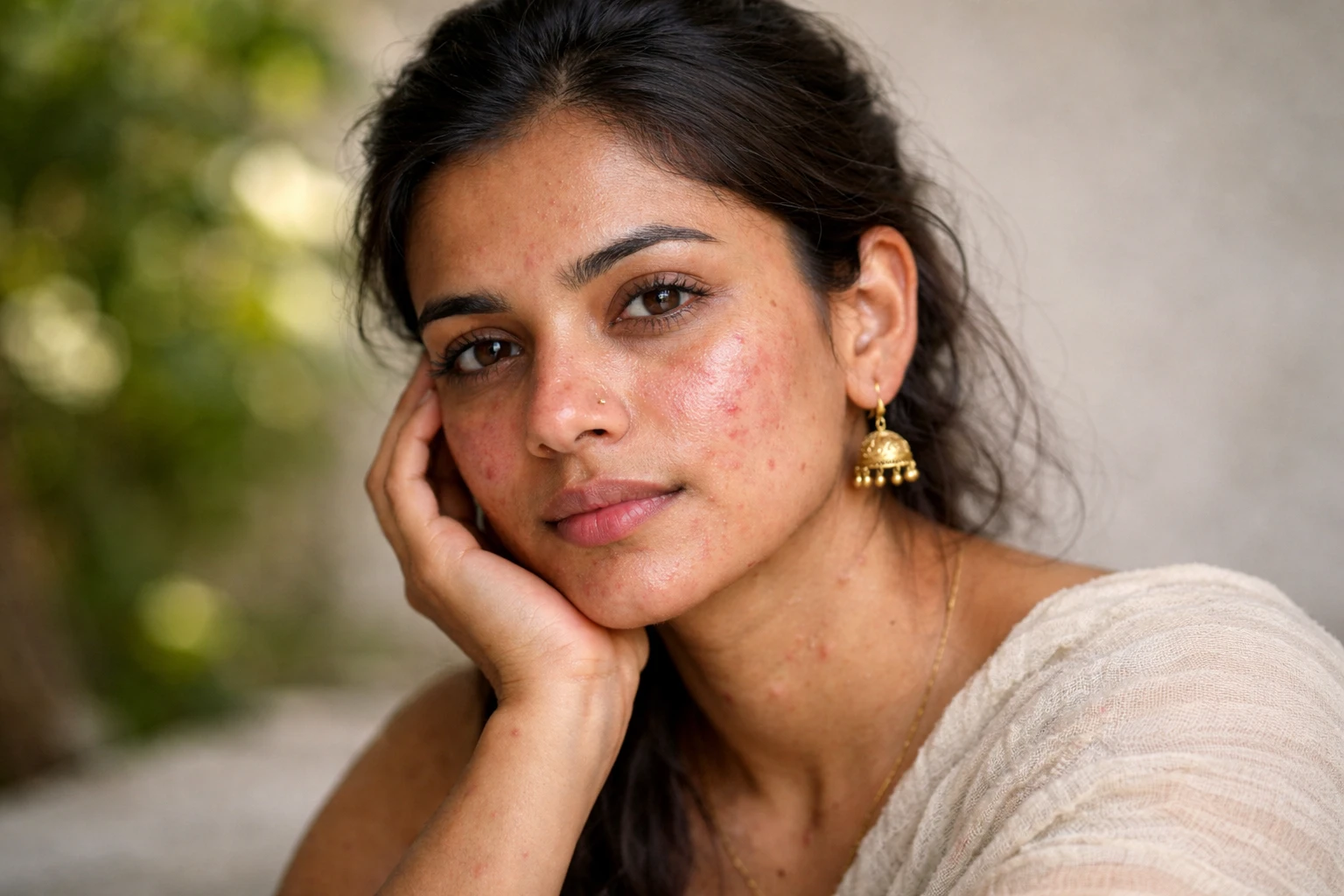
Ever wondered why your friend has flawless skin while you battle breakouts despite following the same routine? The answer might lie in your DNA. Research shows that acne predisposition is largely determined by genetic factors, with studies indicating that up to 80% of acne cases have hereditary components. Understanding whether acne is genetic and can you be predisposed to getting it can transform how you approach treatment and set realistic expectations for your skin journey.
Your genes play a massive role in determining your skin's behavior. When we talk about hereditary acne causes, we're looking at how specific genetic variations get passed down from parents to children, influencing everything from oil production to inflammatory responses.
Studies reveal that if both parents had acne, their children have a 50% higher chance of developing severe acne. The family history of acne doesn't just determine if you'll get breakouts, but also when they'll start, how severe they'll be, and how long they'll last.
Research consistently shows that genetics account for about 80% of acne development, while environmental factors make up the remaining 20%. This means that while lifestyle choices matter, your acne susceptibility genes are the primary drivers of your skin condition.
Scientists have identified specific genes that influence acne development. Here are the nine most significant genetic factors that explain why some people are more prone to acne genetics than others.
These genes control your skin's inflammatory response. Variations in IL-1α and IL-1β genes can make your skin overreact to bacteria, leading to more severe breakouts and longer healing times.
TNF genes regulate inflammation throughout your body. Certain variants increase skin inflammation, making you more susceptible to persistent acne and slower treatment response.
These genes control how your body processes hormones. Variations can lead to higher androgen sensitivity, explaining why some people develop hormonal acne more easily than others.
This gene affects insulin resistance and metabolic processes. Variants are linked to adult acne development, particularly in women experiencing hormonal fluctuations.
These genes control collagen breakdown and repair. Variations determine your likelihood of developing acne scars and how well your skin heals after breakouts.
Recent research has identified genes affecting sebum production (FADS2), skin barrier function (FLG), vitamin D metabolism (VDR), and androgen receptor sensitivity (AR). The combination of multiple gene variants creates your unique acne risk profile.
Understanding your family history of acne provides valuable clues about your skin's future. The question "can acne be inherited" has a clear answer: absolutely, and in predictable patterns.
Genetic acne often comes with other inherited skin conditions like oily skin, large pores, and increased scarring tendency. These traits cluster together because they're controlled by related gene groups.
While both parents contribute to acne risk, some studies suggest maternal genetic influence might be slightly stronger, particularly for hormonal acne patterns in daughters.
Genetic acne has distinct characteristics that set it apart from environmentally triggered breakouts. Understanding these patterns helps you identify whether your acne has strong hereditary components.
Hereditary acne typically appears in specific locations like the jawline, back, and chest. It often involves deeper, more persistent cysts and tends to leave marks or scars more readily than other types of acne.
Genetic acne often starts earlier, lasts longer, and shows consistent severity patterns across family members. It's more likely to persist into adulthood and resist basic treatments.
Many people wonder whether acne is genetic or hormonal, but the truth is these factors work together. Your genes determine how sensitive your skin is to hormonal fluctuations.
Genetic variations affect androgen receptor sensitivity, meaning some people's skin overreacts to normal hormone levels. This explains why siblings can have different acne experiences despite similar hormone profiles.
While genetics load the gun, environmental factors pull the trigger. Stress, diet, and skincare habits can activate or worsen genetically predisposed acne.
Understanding your genetic predisposition doesn't mean accepting defeat. Instead, it helps you choose more targeted, effective treatments that work with your skin's unique genetic profile.
Genetic acne often requires stronger, more consistent treatment approaches. Professional treatments like retinoids, hormonal therapy, or targeted serums tend to be more effective than basic skincare routines.
While you can't change your genes, you can minimize environmental triggers. Consistent skincare, stress management, and avoiding known dietary triggers can significantly improve genetic acne.
Yes, genetic predisposition accounts for up to 80% of acne cases. If your parents had acne, you're significantly more likely to develop it, often with similar patterns of severity and duration.
Multiple twin studies and family research confirm that genetics contribute approximately 80% to acne development, with environmental factors accounting for the remaining 20%.
Some individuals inherit protective gene variants that regulate oil production, inflammation, and hormone sensitivity more effectively, making them naturally resistant to acne development.
Genetic acne often peaks during teenage years but can persist well into the twenties and thirties. The severity timeline usually mirrors that of affected family members.
Understanding that acne is genetic and you can be predisposed to getting it empowers you to make informed treatment decisions. While you can't change your DNA, knowing your genetic risk factors helps you choose appropriate treatments, set realistic expectations, and develop effective long-term management strategies. Remember, genetic predisposition isn't a life sentence – it's valuable information that guides you toward the most effective solutions for your unique skin.
