


2% Salicylic Acid Serum vs Indian Brands: Best for Acne?
Your Cart
0You May Also Like
Acne troubles millions of Indians, especially those living in humid, polluted urban environments. The search for the perfect salicylic acid serum for acne often leads to confusion between international favorites and homegrown Indian brands. With 2% salicylic acid being the gold standard concentration, understanding which products truly deliver results for Indian skin becomes crucial. This comprehensive guide breaks down the science, compares top options, and helps you make an informed choice for clearer, healthier skin.
Indian skin has unique characteristics that make salicylic acid serum for oily skin particularly effective. Our genetic predisposition toward higher sebum production, combined with tropical humidity and urban pollution, creates the perfect storm for acne formation. Salicylic acid's oil-soluble nature allows it to penetrate deep into sebum-filled pores, making it ideal for our skin type.
The 2% concentration strikes the perfect balance between effectiveness and gentleness. Clinical studies show this percentage effectively dissolves comedones while minimizing irritation. For Indian skin that often deals with both active acne and post-inflammatory hyperpigmentation, this gentle yet powerful approach prevents further darkening while treating existing breakouts.
India's tropical climate increases oil production, making salicylic acid serum for combination skin essential for many. The high humidity levels keep pores congested, while pollution particles clog them further. Salicylic acid's anti-inflammatory properties help combat these environmental stressors while preventing new breakouts from forming.
The market offers numerous options, from international cult favorites to innovative Indian formulations. Understanding the differences helps you choose the best salicylic acid serum India has to offer versus global alternatives. Price points, availability, and formulation differences all play crucial roles in this decision.
International brands like Paula's Choice and The Ordinary have gained massive followings for their effective formulations. Paula's Choice 2% BHA Liquid Exfoliant, priced around ₹2,500, offers proven results but comes with import costs and availability issues. The Ordinary's Salicylic Acid 2% Solution, at approximately ₹800, provides budget-friendly access to this ingredient, though shipping times can be lengthy.
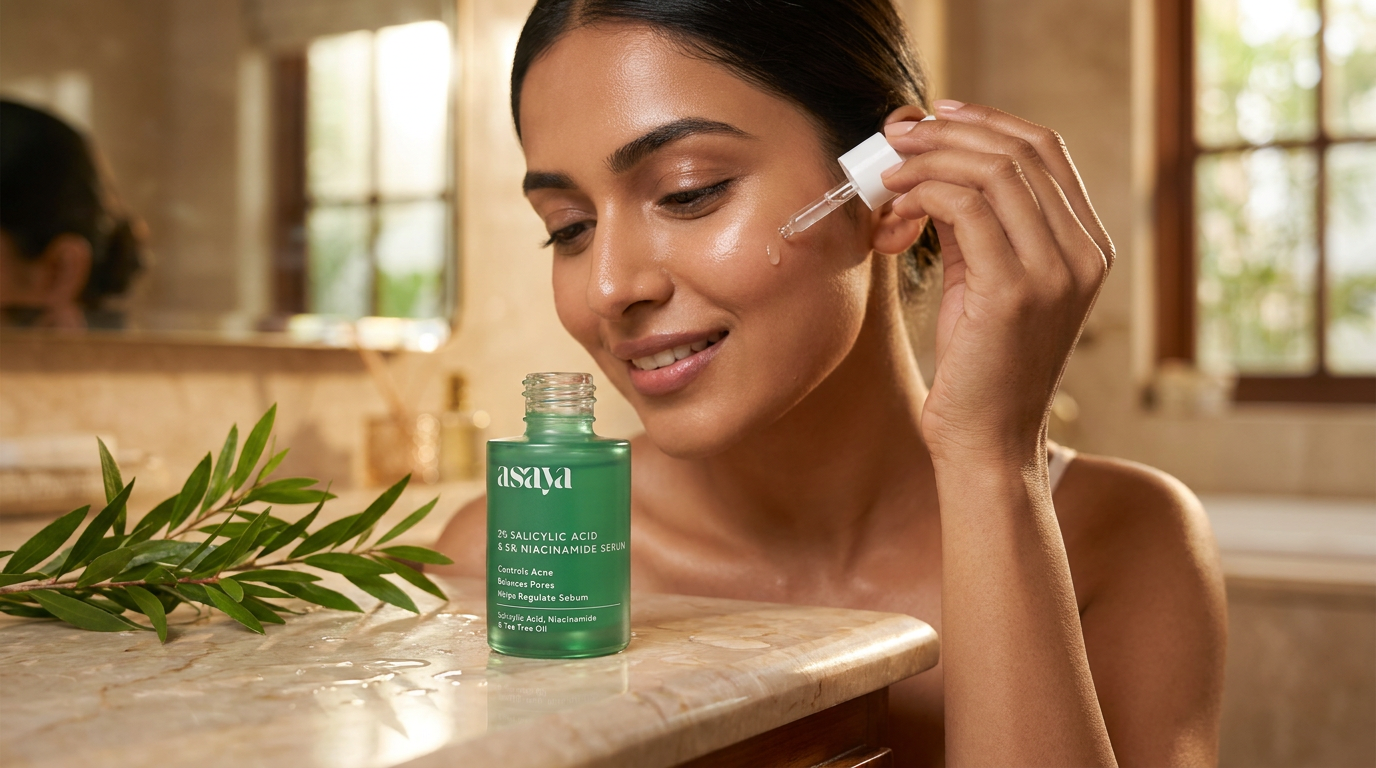
Indian brands have revolutionized the salicylic acid serum for acne market with formulations specifically designed for our skin and climate. Minimalist offers their 2% Salicylic Acid Face Serum at ₹599, while Earth Rhythm's version costs around ₹495. These brands understand Indian skin concerns and formulate accordingly, often combining salicylic acid with complementary ingredients like niacinamide for enhanced benefits.
Different types of acne require targeted approaches, and understanding how salicylic acid serum for pimples works across various concerns helps optimize your skincare routine. From active breakouts to stubborn blackheads, this ingredient addresses multiple skin issues simultaneously.
Salicylic acid penetrates pores to dissolve the keratin plugs that cause comedones. Its anti-inflammatory properties reduce redness and swelling associated with active breakouts. Regular use prevents new pimples from forming by keeping pores clear and reducing bacterial growth.
The salicylic acid serum for blackheads works by dissolving the oil and dead skin cells that create these stubborn comedones. Unlike physical exfoliation, chemical exfoliation with salicylic acid reaches deep into pores without causing micro-tears or irritation. Consistent use gradually reduces both existing blackheads and prevents new ones from forming.
While not a primary treatment for deep acne scars, salicylic acid serum for acne scars helps with surface-level improvements. It accelerates cell turnover, gradually fading dark spots and evening skin tone. The gentle exfoliation reveals fresher skin underneath while preventing new acne that could lead to additional scarring.
Your skin type determines how you should incorporate salicylic acid into your routine. Understanding these differences ensures you get maximum salicylic acid serum benefits while minimizing potential side effects. Each skin type requires a slightly different approach for optimal results.
Oily skin typically tolerates higher frequencies of salicylic acid application. Start with every other day and gradually increase to daily use as your skin builds tolerance. Look for lightweight, gel-based formulations that won't add extra oil to your skin. Complement with oil-free moisturizers to maintain hydration balance.
Combination skin requires strategic application of salicylic acid serum for combination skin. Focus on the T-zone where oil production is highest, while using lighter applications on drier cheek areas. Consider using the serum only on oily zones initially, then expanding coverage as your skin adjusts.
Sensitive skin needs extra caution when introducing salicylic acid serum for sensitive skin. Start with once or twice weekly applications and monitor for irritation. Look for formulations with soothing ingredients like aloe vera or chamomile. Always patch test new products and discontinue use if persistent redness or burning occurs.
While generally well-tolerated, salicylic acid serum side effects can occur, especially during the initial adjustment period. Understanding these potential reactions helps you differentiate between normal adjustment and problematic responses that require product discontinuation.
Initial purging is normal when starting salicylic acid, as the ingredient brings underlying congestion to the surface. This typically lasts 4-6 weeks and should gradually improve. Mild dryness and flaking are also common as your skin adjusts to increased cell turnover.
Always use sunscreen when using salicylic acid, as it can increase photosensitivity. Avoid combining with other strong actives like retinoids or high-concentration vitamin C initially. Pregnant and breastfeeding women should consult healthcare providers before use, though topical salicylic acid is generally considered safe in small amounts.
The best brand depends on your specific skin concerns and budget. Indian brands like Minimalist and Earth Rhythm offer excellent formulations at affordable prices, while international options like Paula's Choice provide proven effectiveness at higher price points. Consider factors like ingredient quality, additional beneficial components, and your skin's tolerance level.
The best 2% salicylic acid serum varies by individual needs. For oily, acne-prone skin, look for lightweight gel formulations. Sensitive skin benefits from serums with added soothing ingredients. Combination skin works well with products that can be applied selectively to problem areas.
Yes, salicylic acid is particularly beneficial for Indian skin due to our tendency toward higher oil production and humidity-related skin concerns. Its oil-soluble nature makes it ideal for penetrating sebum-rich pores common in Indian skin types.
Daily use is possible once your skin builds tolerance, but start slowly. Begin with 2-3 times per week and gradually increase frequency. Oily skin typically tolerates daily use better than sensitive or dry skin types.
The 2% concentration is more effective for treating active acne and stubborn blackheads, while 1% is gentler for sensitive skin or maintenance use. Most dermatologists recommend 2% for visible acne concerns, stepping down to 1% for long-term maintenance.
Choosing between international and Indian salicylic acid serums ultimately depends on your specific skin needs, budget, and ingredient preferences. Indian brands have made significant strides in formulation quality while offering better value and availability. The key to success lies in consistent use, proper introduction, and understanding your skin's unique requirements. Whether you choose a local or international brand, the 2% concentration remains the gold standard for effective acne treatment in Indian skin types.
