

13 Natural Remedies for Stress-Induced Acne Breakouts
Your Cart
0You May Also Like

₹424 ₹499

₹509 ₹599

₹594 ₹699

₹424 ₹499

₹636 ₹749

₹466 ₹549
Stress and acne create a frustrating cycle that affects millions of people, especially those dealing with hormonal fluctuations and demanding lifestyles. When cortisol levels spike during stressful periods, your skin responds by producing excess oil, triggering inflammation, and disrupting its natural barrier function. This leads to those stubborn breakouts that seem to appear right when you need clear skin the most. While stress-induced acne can feel overwhelming, natural remedies offer gentle yet effective solutions that address both the symptoms and the root cause. These science-backed approaches work by calming inflammation, regulating oil production, and supporting your skin's natural healing processes without harsh side effects.
• Stress triggers acne through increased cortisol production, leading to excess oil and inflammation in the skin • Natural remedies like tea tree oil, aloe vera, and anti-inflammatory foods can effectively treat stress-induced breakouts • Combining topical treatments with stress management techniques and dietary changes provides the most comprehensive approach to clear skin
Stress doesn't just affect your mood—it directly impacts your skin. When you're stressed, your body releases cortisol, which tells your oil glands to work overtime. This excess sebum clogs pores and creates the perfect environment for acne-causing bacteria to thrive. Additionally, stress triggers inflammatory responses throughout your body, including your skin, making existing breakouts worse and slowing the healing process.
The stress-acne cycle begins in your adrenal glands, which pump out cortisol during challenging times. This hormone significantly increases oil production, particularly in areas with more sebaceous glands like your T-zone, jawline, and chin. Stress also weakens your skin's barrier function, making it more susceptible to irritation and bacterial invasion.
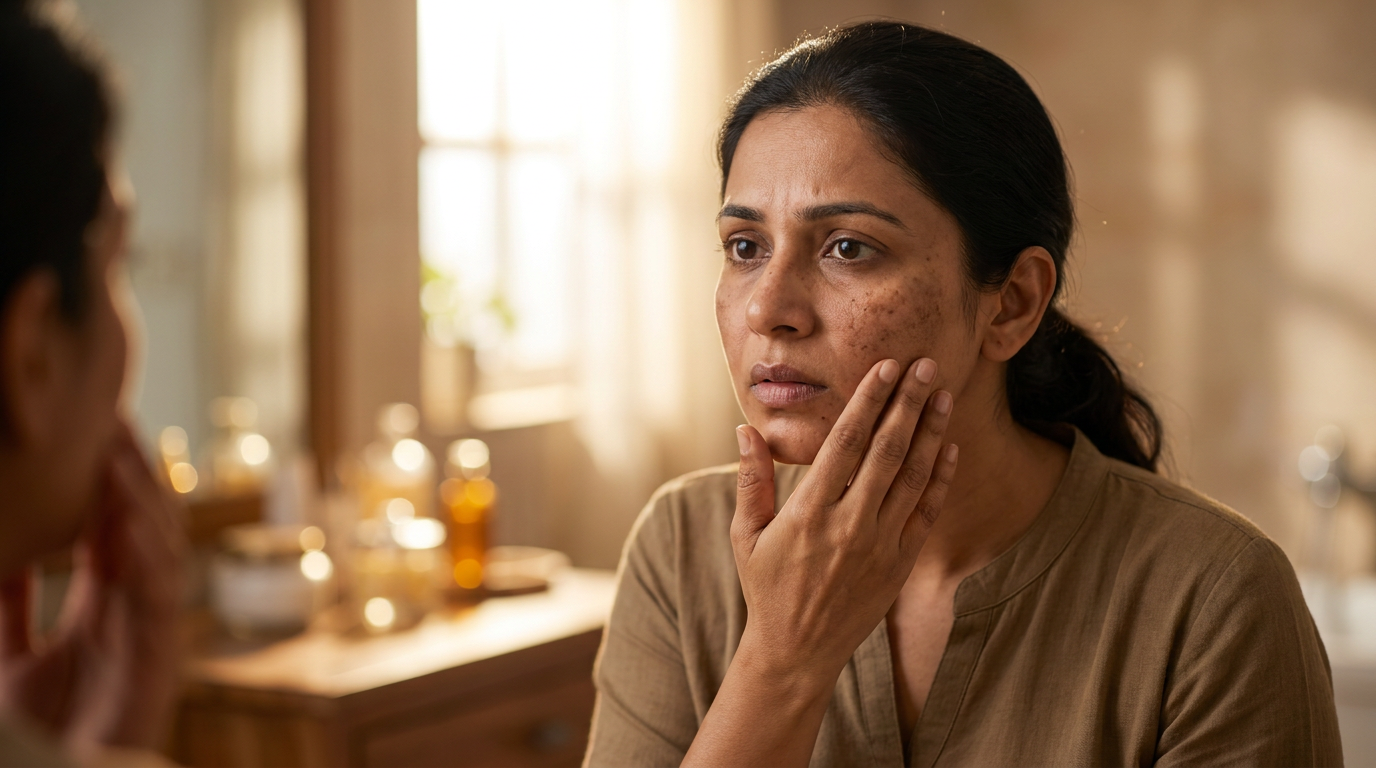
Stress acne typically appears along the jawline, chin, and temples—areas where you might unconsciously touch your face when anxious. These breakouts often coincide with stressful life events, exams, work deadlines, or relationship issues. Unlike hormonal acne, stress-induced breakouts can appear suddenly and may be accompanied by increased skin sensitivity.
Topical treatments offer immediate relief for stressed skin while addressing the underlying inflammation that makes stress acne so persistent. These natural ingredients work synergistically to calm irritation, reduce bacterial growth, and support your skin's healing processes.
Tea tree oil contains powerful antimicrobial compounds that fight acne-causing bacteria while reducing inflammation. Studies show that 5% tea tree oil is as effective as benzoyl peroxide but with fewer side effects. Always dilute tea tree oil with a carrier oil like jojoba or sweet almond oil in a 1:9 ratio before applying to prevent irritation.
Aloe vera's anti-inflammatory properties make it ideal for soothing stressed, inflamed skin. The gel contains salicylic acid, which helps unclog pores, plus amino acids that support skin repair. Use fresh aloe gel directly from the plant for maximum potency, or choose products with at least 90% aloe content.
Raw honey possesses natural antibacterial properties, while cinnamon improves circulation and has antimicrobial effects. Mix one tablespoon of raw honey with half a teaspoon of cinnamon powder to create a spot treatment. Leave on for 10-15 minutes before rinsing with warm water.
Green tea's antioxidants, particularly EGCG, reduce inflammation and sebum production. Brew strong green tea, let it cool, then apply with a clean cloth as a compress for 10 minutes. The caffeine also helps constrict blood vessels, reducing redness and swelling.
Bentonite and kaolin clays absorb excess oil while drawing impurities from pores. Use clay masks 1-2 times weekly, mixing the powder with water or rose water. For sensitive skin, try kaolin clay, which is gentler than bentonite but still effective for oil control.
What you eat directly impacts both your stress levels and skin health. Anti-inflammatory foods help regulate cortisol production while providing nutrients essential for skin repair and regeneration.
Omega-3 fatty acids from salmon, walnuts, and flaxseeds reduce inflammation throughout your body, including your skin. Aim for two servings of fatty fish weekly or supplement with high-quality fish oil. Colorful fruits and vegetables provide antioxidants that protect against free radical damage and support collagen production.
Adaptogenic herbs like ashwagandha and rhodiola help your body manage stress more effectively, potentially reducing cortisol-induced breakouts. Zinc supports wound healing and has anti-inflammatory properties—aim for 8-11mg daily from food sources like pumpkin seeds and lean meats. Probiotics support the gut-skin axis, with studies showing certain strains can improve acne symptoms.
High-glycemic foods like white bread, sugary snacks, and processed foods can spike insulin levels, worsening acne. Some people find dairy products trigger breakouts, possibly due to hormones naturally present in milk. Excessive caffeine can increase cortisol production, so limit intake to one cup of coffee daily during stressful periods.
Traditional herbs offer gentle yet effective support for both stress management and skin health. These time-tested remedies work from the inside out to address the root causes of stress-induced breakouts.
Curcumin, turmeric's active compound, reduces inflammation and has antimicrobial properties. Mix half a teaspoon of turmeric powder with honey for a spot treatment, or take 500mg of curcumin supplements daily with black pepper to enhance absorption. Be cautious with topical use as turmeric can temporarily stain the skin.
Spearmint tea has anti-androgenic effects, helping balance hormones that contribute to acne. Drink two cups daily for at least one month to see results. The tea also has a calming effect that can help reduce overall stress levels.
Chamomile's anti-inflammatory and antimicrobial properties make it excellent for sensitive, stressed skin. Use cooled chamomile tea as a facial toner or apply chamomile-infused oil as a gentle spot treatment. Drinking chamomile tea before bed also promotes better sleep, which is crucial for skin repair.
Addressing stress directly is essential for long-term acne management. These holistic approaches help regulate cortisol levels while supporting overall skin health.
Regular meditation can reduce cortisol levels by up to 23%, according to research. Start with just 5-10 minutes daily using apps like Headspace or Calm. Deep breathing exercises can provide immediate stress relief—try the 4-7-8 technique: inhale for 4 counts, hold for 7, exhale for 8.
Moderate exercise reduces stress hormones while improving circulation, which helps deliver nutrients to your skin. However, excessive sweating can clog pores, so shower immediately after workouts and use a gentle cleanser. The Asaya Daily Clear Salicylic Face Cleanser works particularly well post-workout, as its BHA and AHA combination effectively removes sweat and oil buildup without over-drying the skin.
Poor sleep increases cortisol production and impairs skin repair processes. Aim for 7-9 hours nightly and establish a consistent bedtime routine. Keep your bedroom cool and dark, and avoid screens for at least an hour before bed to support natural melatonin production.
When stress acne flares up suddenly, these immediate interventions can help reduce inflammation and prevent the situation from worsening.
Ice reduces inflammation and numbs pain from inflamed breakouts. Wrap an ice cube in a clean cloth and apply for 30-60 seconds at a time, never directly on skin. This technique works best on large, painful cysts that haven't come to a head yet.
Lavender and frankincense oils have anti-inflammatory and healing properties. Dilute 1-2 drops in a carrier oil and apply to individual blemishes. Always patch test first, as essential oils can cause reactions in sensitive individuals.
For sudden breakouts, try a quick oatmeal and honey mask. Blend 2 tablespoons of oats with 1 tablespoon of honey and enough water to form a paste. Apply for 15 minutes before rinsing. This combination soothes inflammation while gently exfoliating dead skin cells.
Most people see initial improvements within 2-4 weeks of consistent use. However, significant changes typically occur after 6-8 weeks as your skin completes its natural renewal cycle. The Asaya 2% Salicylic Acid & 5% Niacinamide Serum can help accelerate this process by combining BHA for pore-clearing with niacinamide for oil control and inflammation reduction.
Yes, through consistent stress management, proper skincare, and dietary choices. Regular exercise, adequate sleep, and stress-reduction techniques can significantly reduce the likelihood of stress-induced breakouts. Maintaining a gentle skincare routine even when your skin is clear helps prevent future flare-ups.
Most natural remedies are gentler than conventional treatments, but sensitivity can still occur. Always patch test new ingredients and start with lower concentrations. If you have very sensitive skin, consider using products specifically formulated for your skin type, such as the Asaya Sun Drip Mineral Sunscreen, which contains soothing cica and is designed for reactive skin types.
Yes, stress can significantly worsen acne. When you experience stress, your body releases cortisol, a hormone that can increase oil production in your skin. This excess oil can clog pores and lead to breakouts. Additionally, stress can trigger inflammation, making existing acne more severe and prolonging healing time.
To calm an acne flare-up caused by stress, focus on reducing inflammation and soothing the skin. Gentle, natural remedies like aloe vera, green tea compresses, or a soothing oatmeal mask can help. Incorporating stress-management techniques such as meditation or deep breathing exercises can also help lower cortisol levels and reduce the severity of breakouts. Ensure you are using a gentle, non-comedogenic skincare routine to avoid further irritation.
Natural remedies for stress-induced acne offer a gentle yet effective approach to achieving clearer skin while addressing the underlying causes of breakouts. The key to success lies in consistency and patience—your skin needs time to heal and rebalance after periods of stress. Combining topical treatments with stress management techniques and dietary improvements provides the most comprehensive approach to long-term skin health.
For those dealing with persistent dark spots and marks left behind by stress acne, advanced ingredients can accelerate the healing process. MelaMe™ Complex, Asaya's melanin-first molecule, works specifically on existing dark spots by breaking down excess melanin deposits into re-absorbable amino acids while preventing new discoloration from forming. This scientifically-engineered complex has been proven to visibly treat discoloration and restore pigment balance within 2 weeks of regular use, making it particularly effective for those dealing with post-inflammatory hyperpigmentation from stress-related breakouts.
Remember that everyone's skin responds differently to natural treatments. Start with 2-3 remedies that appeal to you most, and give them at least a month to show results. If natural approaches aren't providing sufficient improvement after 8-12 weeks, consider consulting a dermatologist who can help you integrate natural methods with professional treatments for optimal results.
