


13 Adult Pimples Treatment Tips for Indian Skin
Your Cart
0You May Also Like

₹599 ₹749

₹424 ₹499

₹479 ₹599

₹559 ₹699

₹424 ₹499

₹439 ₹549
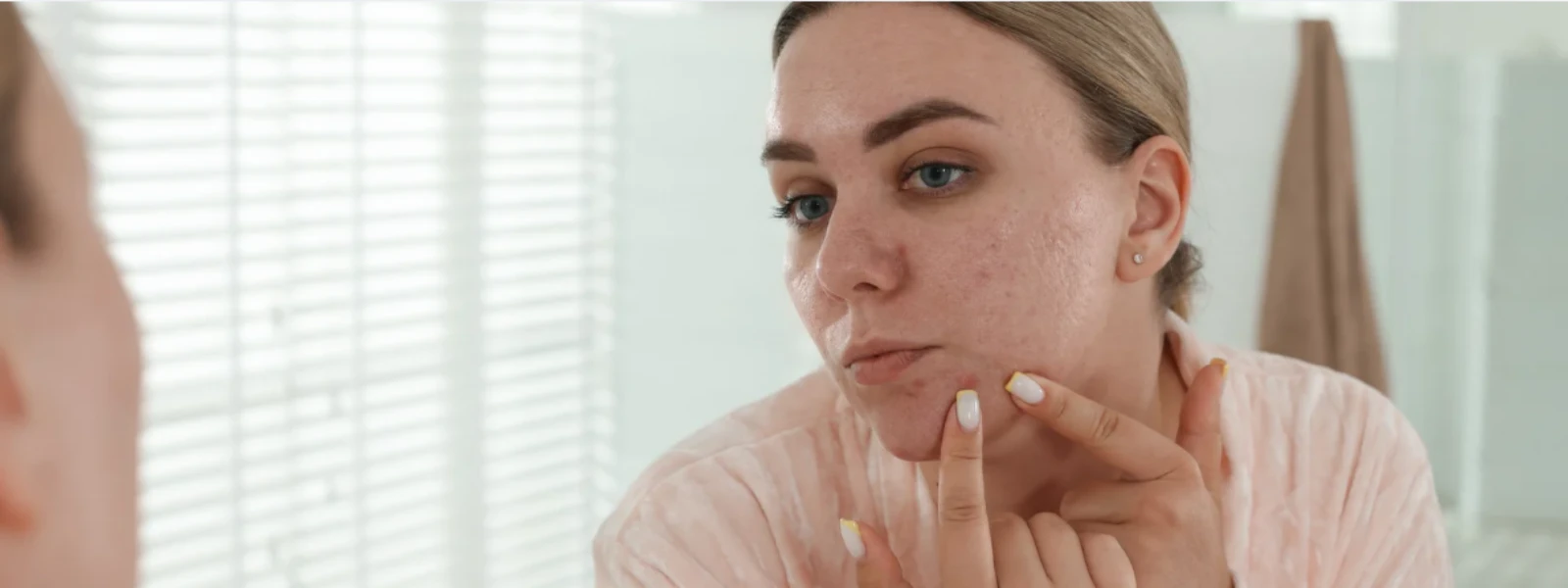
Adult acne on Indian skin comes with its own set of challenges. The combination of higher melanin content, humid climate, and genetic predisposition means that what works for other skin types might not work for you. Dark spots linger longer, breakouts can feel more stubborn, and finding the right treatment often feels like trial and error. But here's the thing: adult pimples treatment for Indian skin isn't about following generic advice. It's about understanding how your skin specifically responds to different ingredients and approaches, then building a routine that actually works.
Adult acne on Indian skin requires melanin-conscious treatment that addresses both active breakouts and post-inflammatory hyperpigmentation
Gentle, consistent approaches work better than harsh treatments that can trigger more pigmentation
Combining targeted actives like salicylic acid and niacinamide with proper sun protection prevents the dark spots that often follow breakouts
Indian skin, typically falling between Fitzpatrick types III to V (medium to darker skin tones), has unique characteristics that affect how acne develops and heals. Higher melanin content means your skin is more prone to post-inflammatory hyperpigmentation, so every pimple has the potential to leave a dark mark that can last months. The humid climate in most Indian cities also means your sebaceous glands work overtime, creating the perfect environment for clogged pores.
Adult acne affects about 25% of women in their twenties and thirties, and it's often tied to hormonal fluctuations, stress, and environmental factors like pollution. Unlike teenage acne, adult breakouts tend to be deeper, more inflammatory, and concentrated around the jawline and chin area. This type of adult acne treatment for Indian skin requires a more strategic approach that considers both clearing existing breakouts and preventing the pigmentation that follows.
Tip 1: Use lukewarm water, never hot. Hot water strips your skin's natural barrier, triggering more oil production. Lukewarm water cleanses effectively without causing irritation that can worsen pimples on Indian skin.
Tip 2: Choose pH-balanced, alcohol-free cleansers. Your skin's natural pH is around 5.5, and maintaining this balance helps prevent bacterial overgrowth. The Even Tone Face Cleanser works well here, as it's formulated to address dark spots while maintaining skin balance. Look for gel-based formulas that remove excess oil without over-drying.
Tip 3: Double cleanse in the evening. Indian cities are dusty and polluted. Start with a gentle oil cleanser to remove sunscreen and makeup, then follow with your regular cleanser. This ensures your pores are truly clean without aggressive scrubbing.
Tip 4: Start with salicylic acid for blackheads and whiteheads. This beta-hydroxy acid penetrates oil-filled pores and helps prevent new breakouts. Start with 0.5% concentration and use it every other night to build tolerance.
Tip 5: Add niacinamide for oil control and inflammation. This form of vitamin B3 reduces sebum production by up to 30% and helps calm inflamed skin. It's particularly effective for managing the oily T-zone that many Indian skin types experience.
Tip 6: Consider azelaic acid for dual benefits. This ingredient targets both acne and pigmentation, making it ideal for Indian skin. It's gentler than other acids but equally effective at preventing new breakouts while fading existing dark spots.
Tip 7: Use benzoyl peroxide sparingly for stubborn spots. While effective against acne bacteria, benzoyl peroxide can cause irritation and bleaching on darker skin tones. Use it as a spot treatment only, and always follow with a good moisturizer.
Tip 8: Try turmeric and honey masks weekly. Mix a pinch of turmeric with raw honey for a gentle anti-inflammatory mask. Leave on for 10 minutes, then rinse thoroughly. This combination helps reduce redness and has antibacterial properties.
Tip 9: Use neem water as a toner. Boil fresh neem leaves in water, strain, and use the cooled liquid as a toner. Neem has natural antibacterial properties and has been used in Ayurveda for skin conditions for centuries.
Tip 10: Apply diluted tea tree oil for spot treatment. Mix one part tea tree oil with nine parts carrier oil (like jojoba) and apply to individual pimples. Never use undiluted tea tree oil, as it can cause burns on sensitive skin.
Tip 11: Consider chemical peels for stubborn acne. Salicylic acid peels can help unclog pores and reduce oil production. Start with lower concentrations and always have them done by a qualified dermatologist.
Tip 12: Professional comedone extraction when needed. While you shouldn't squeeze pimples at home, a dermatologist can safely extract blackheads and whiteheads using sterile tools and proper technique.
Tip 13: Explore light therapy for inflammatory acne. Blue light therapy can help kill acne bacteria, while red light reduces inflammation. These treatments are becoming more available in Indian dermatology clinics.
Hormonal acne treatment India often requires looking beyond topical solutions. Many Indian women experience adult acne linked to PCOS, which affects up to 20% of women of reproductive age in India. This type of acne typically appears around the jawline and chin and tends to flare up before menstrual cycles.
Managing hormonal acne involves tracking your cycle to identify patterns, managing stress through yoga or meditation, and sometimes working with an endocrinologist for hormonal balance. Spearmint tea, consumed twice daily, has shown promise in reducing androgens that contribute to hormonal breakouts.
Hyperpigmentation after pimples is perhaps the most frustrating part of dealing with acne on Indian skin. Every breakout can leave a dark mark that takes months to fade. The key is prevention and early intervention.
Start using vitamin C serum in the morning to prevent new dark spots from forming. Something like the 15% Vitamin C + E Serum with Ferulic Acid works well here because it provides high-potency antioxidant protection that helps prevent post-inflammatory hyperpigmentation. For existing dark spots, ingredients like kojic acid and alpha arbutin work well. The 2% Kojic Acid & 1% Alpha Arbutin Serum specifically targets hyperpigmentation and uneven tone without causing irritation.
Never skip sunscreen, even indoors. UV exposure can darken existing spots and create new ones. Use a broad-spectrum SPF 50 every day, reapplying every two hours when outdoors.
Adult acne remedies for women extend beyond skincare products. Your lifestyle plays a huge role in skin health. High-glycemic foods like white rice and sugary snacks can trigger insulin spikes that worsen acne. Try incorporating more whole grains, lean proteins, and omega-3 rich foods like walnuts and flaxseeds.
Sleep quality matters more than you think. Poor sleep increases cortisol levels, which can trigger breakouts. Aim for 7-8 hours of quality sleep and try to maintain consistent sleep and wake times.
Exercise helps reduce stress and improve circulation, but always cleanse your face immediately after working out to prevent sweat from clogging pores.
Knowing when to see a dermatologist for acne in India can save you months of frustration and prevent scarring. Seek professional help if you have deep, painful cysts, if over-the-counter treatments haven't worked after 6-8 weeks, or if you're developing scars or significant pigmentation.
A good dermatologist will assess your skin type, hormone levels if needed, and create a comprehensive treatment plan. They might prescribe topical retinoids, oral antibiotics, or in severe cases, isotretinoin. Treatment timelines vary, but most people see improvement within 6-12 weeks of starting prescription treatments.
Most people see initial improvement within 4-6 weeks of consistent treatment, but complete clearing can take 3-6 months. Indian skin often takes longer to heal due to the tendency for post-inflammatory hyperpigmentation, so patience is key.
Start with one active ingredient and gradually introduce others. Using too many treatments at once can irritate your skin and actually worsen breakouts. The Advanced Anti-Pigmentation Set from Asaya provides a complete routine that's formulated to work together without over-treating your skin.
Indian skin produces more melanin in response to inflammation, which is why every pimple can leave a dark mark. This is called post-inflammatory hyperpigmentation, and it's completely normal for darker skin tones. Consistent use of vitamin C, kojic acid, and sun protection helps prevent and fade these marks.
Start slowly with acids like salicylic acid or glycolic acid. Begin with 2-3 times per week and gradually increase frequency as your skin builds tolerance. Always use sunscreen when using acids, as they can increase photosensitivity.
While clearing pimples completely in just 7 days is unrealistic for most, you can significantly reduce inflammation and the appearance of active breakouts within this timeframe. Focus on gentle cleansing, targeted spot treatments with ingredients like salicylic acid or benzoyl peroxide, and avoiding harsh irritants. Consistent care is key to seeing faster results.
Achieving rapid pimple cures requires a multi-pronged approach. For immediate reduction, use a spot treatment with salicylic acid or benzoyl peroxide. Keeping the skin clean and avoiding touching or picking at blemishes is crucial. While a 7-day cure is ambitious, consistent application of appropriate treatments and a healthy lifestyle can accelerate the healing process and prevent new breakouts.
Treating adult acne on Indian skin requires a patient, consistent approach that addresses both active breakouts and the pigmentation that often follows. The key is finding the right balance of gentle yet effective ingredients that work with your skin's natural characteristics, not against them.
Remember that every skin is different, and what works for your friend might not work for you. Start with gentle, proven ingredients and build your routine slowly. The MelaMe™ Complex, found in several Asaya products, represents the kind of advanced, melanin-first approach that works specifically for Indian skin. This skincare-engineered molecule is designed to visibly treat discoloration and restore pigment balance within 2 weeks of regular use. It works by breaking down excess melanin deposits into re-absorbable amino acids while inhibiting future melanin production, making it particularly effective for the post-acne pigmentation that affects so many people with Indian skin tones.
Most importantly, be kind to your skin and to yourself. Adult acne can be frustrating, but with the right approach and a little patience, clearer skin is absolutely achievable.
