


13 Adult Pimples Causes and Treatments for Clearer Skin
Your Cart
0You May Also Like

₹599 ₹749

₹424 ₹499

₹479 ₹599

₹559 ₹699

₹424 ₹499

₹439 ₹549
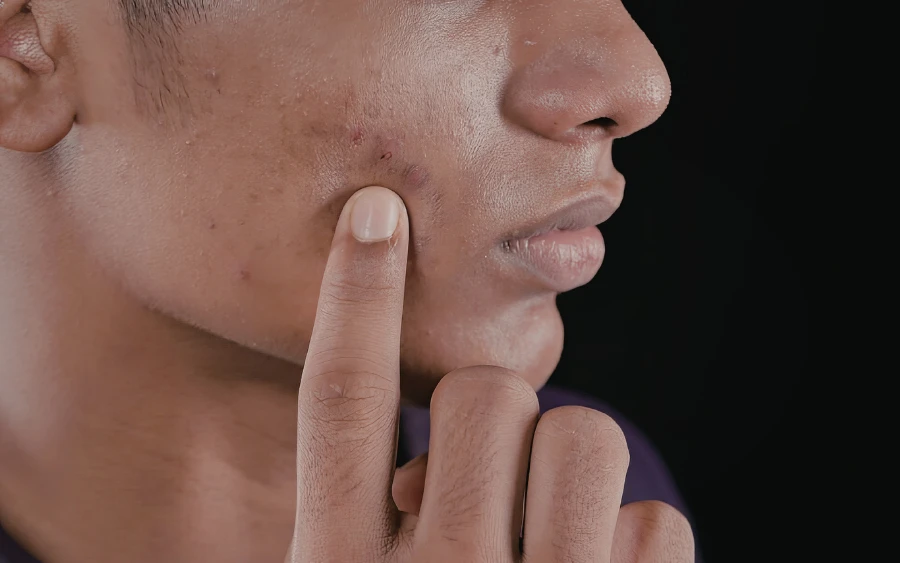
Adult acne affects a significant portion of adults, with studies indicating it's far more common than often perceived. Unlike teenage breakouts that typically center around the T-zone, adult pimples often appear along the jawline, chin, and cheeks, creating a frustrating cycle of inflammation and dark spots. The causes behind adult acne are complex, ranging from hormonal fluctuations to lifestyle factors, but understanding these triggers is the first step toward clearer skin. At Asaya, we've seen how targeted treatments can make a real difference when you know what you're dealing with.
Adult acne has 13 main causes including hormonal changes, stress, diet, and skincare mistakes
Effective treatments range from gentle BHA and niacinamide serums to professional interventions
A consistent routine with the right actives can show visible improvement in 2-4 weeks
Adult acne isn't just teenage acne that stuck around. Your skin changes as you age, becoming drier and more sensitive, which means the same harsh treatments that might have worked at 16 can actually make things worse at 30. Adult breakouts tend to be deeper, more inflamed, and slower to heal, often leaving behind dark spots that can take months to fade.
The basic mechanism is still the same: excess oil production, clogged pores, bacterial overgrowth, and inflammation. But the triggers are different. Instead of puberty driving oil production, you're dealing with monthly hormone cycles, work stress, and skincare products that might be too rich for your adult skin.
1. Menstrual cycle fluctuations: The week before your period, progesterone levels spike, increasing oil production. This is why you might notice chin and jawline breakouts that appear like clockwork every month.
2. Pregnancy and postpartum changes: Pregnancy hormones can trigger acne flares, especially in the first trimester. After delivery, the sudden hormone drop can also cause breakouts as your body readjusts.
3. Menopause and perimenopause: Declining estrogen levels can make skin more sensitive and reactive, while stress hormones remain elevated, creating perfect conditions for adult acne.
4. PCOS and hormonal disorders: Conditions that increase androgen levels directly stimulate oil glands, leading to persistent acne that often requires medical intervention.
5. Chronic stress: Elevated cortisol levels increase inflammation throughout your body, including your skin. Stress also disrupts sleep and can lead to touching your face more often.
6. Poor sleep patterns: Less than 7 hours of sleep increases cortisol and reduces your skin's ability to repair itself overnight. Your skin literally heals while you sleep.
7. Diet and inflammatory foods: High-glycemic foods and dairy can trigger insulin spikes that increase oil production. It's not about one bad meal, but consistent patterns over weeks.
8. Environmental pollutants: City air, humidity, and even air conditioning can clog pores or irritate sensitive skin, especially if you're not cleansing properly at the end of the day.
9. Comedogenic products: Heavy moisturizers, makeup, or hair products can clog pores without you realizing it. Check ingredient lists for coconut oil, isopropyl myristate, and other pore-clogging ingredients.
10. Over-cleansing and harsh treatments: Washing your face three times a day or using multiple strong actives can strip your skin barrier, causing more oil production and irritation.
11. Hair products and styling habits: Pomades, dry shampoos, and leave-in conditioners can migrate to your forehead and temples, especially if you work out or sleep on your side.
12. Family history: If your parents had adult acne, you're more likely to develop it too. Genetics influence how sensitive your skin is to hormones and how much oil your glands produce.
13. Medications: Birth control pills, corticosteroids, lithium, and some antidepressants can trigger acne as a side effect. Always check with your doctor before stopping any medication.
The key to treating adult acne is using effective ingredients without destroying your skin barrier. Salicylic acid works by gently dissolving the oil and dead skin cells that clog pores, while niacinamide reduces inflammation and controls oil production. The Asaya 2% Salicylic Acid & 5% Niacinamide Serum combines both these powerhouse ingredients in one formula, making it easier to target multiple acne triggers without overloading your skin.
Start with these actives 2-3 times per week and gradually increase frequency as your skin adjusts. Most people see visible improvement in 2-4 weeks with consistent use.
For persistent or cystic acne, professional intervention might be necessary. Dermatologists can prescribe topical retinoids, oral antibiotics, or hormonal treatments like spironolactone. Chemical peels and professional extractions can also help clear stubborn clogs and reduce inflammation.
The key is finding a dermatologist who understands adult acne and doesn't just prescribe the same treatments used for teenagers.
Hormonal acne often responds well to zinc supplements, spearmint tea, and consistent skincare routines that support your skin barrier. Cystic acne typically needs professional treatment, but gentle daily care can prevent new cysts from forming.
For inflammatory acne with lots of red, angry bumps, focus on calming ingredients like niacinamide and avoid over-exfoliating, which can make inflammation worse.
Start with a gentle cleanser that removes overnight buildup without stripping your skin. The Asaya Daily Clear Salicylic Face Cleanser contains 2% salicylic acid and lactic acid to gently exfoliate while zinc PCA controls oil production throughout the day.
Follow with your treatment serum, a lightweight moisturizer, and always finish with broad-spectrum SPF. Sun protection is crucial because acne treatments can make your skin more sensitive to UV damage.
Double cleanse if you wear makeup or sunscreen, then apply your treatment products to clean, dry skin. Alternate between different actives rather than layering them all at once, which can cause irritation.
End with a moisturizer that supports your skin barrier. Even oily, acne-prone skin needs hydration to function properly and heal from breakouts.
Preventing adult acne is often more effective than treating it after it appears. Keep your phone clean, change pillowcases weekly, and avoid touching your face throughout the day. Manage stress through exercise, meditation, or whatever works for you, since chronic stress is a major acne trigger.
Pay attention to your skin's patterns. If you notice breakouts around your period, start using acne treatments a week before. If stress triggers your acne, have a plan for managing busy periods at work.
Most people see initial improvement in 2-4 weeks, but it can take 8-12 weeks to see significant changes. Adult acne often takes longer to respond than teenage acne because the skin barrier is more compromised and healing is slower.
Adult acne can be managed very effectively, but it's rarely "cured" permanently since hormonal fluctuations and life stress continue throughout adulthood. The goal is finding a routine that keeps breakouts minimal and manageable.
Sudden adult acne can be triggered by hormonal changes, new medications, stress, or even changes in your skincare routine. If acne appears suddenly after years of clear skin, it's worth seeing a dermatologist to rule out underlying causes.
Adult acne management involves a consistent skincare routine with effective actives, lifestyle adjustments to manage triggers like stress and diet, and sometimes professional intervention. Gentle daily care can prevent new breakouts, while targeted treatments address existing concerns.
Probably not. Adult skin is typically drier and more sensitive than teenage skin, so harsh treatments that worked at 16 might cause irritation and barrier damage at 30. Look for gentler formulations with effective actives like those in Asaya's acne-targeting products.
Adult acne can feel frustrating, especially when you thought you'd left breakouts behind in your teens. But understanding the specific triggers and using targeted treatments makes a real difference. The key is patience and consistency rather than harsh, quick fixes that can damage your skin barrier.
For those dealing with both acne and the dark spots it leaves behind, Asaya's MelaMe™ Complex offers a science-backed solution for post-acne dark spots. This advanced, melanin-first molecule is designed to visibly treat discoloration and restore pigment balance within 2 weeks of regular use. It works by breaking down excess melanin deposits into re-absorbable amino acids while preventing new dark spots from forming, making it particularly effective for the hyperpigmentation that often follows adult breakouts.
