


13 Adult Acne Solutions for Persistent Breakouts
Your Cart
0You May Also Like

₹599 ₹749

₹424 ₹499

₹479 ₹599

₹559 ₹699

₹424 ₹499

₹439 ₹549
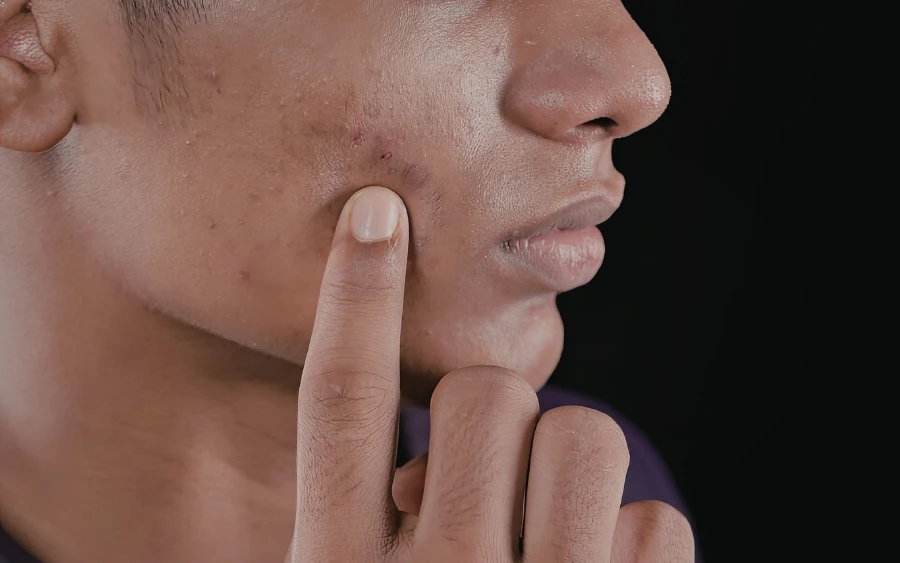
Adult acne feels different from those teenage breakouts you thought you'd left behind. While teen acne usually shows up in the T-zone and responds well to basic treatments, adult acne tends to cluster around the jawline, chin, and lower face. It's often deeper, more inflamed, and stubbornly persistent. The reasons behind adult breakouts are trickier than you might think—hormonal fluctuations, stress, and lifestyle factors play bigger roles than they did in your teens. Understanding these differences is the first step toward finding the right acne treatment for adult breakouts that actually works. Whether you're dealing with occasional flare-ups or persistent cystic bumps, the right combination of treatments can help you regain control of your skin.
• Adult acne differs from teen acne due to hormonal changes, stress, and lifestyle factors, requiring targeted treatments like retinoids, salicylic acid, and hormonal therapy.
• Effective solutions range from topical treatments (BHA, niacinamide, benzoyl peroxide) to professional procedures and lifestyle modifications.
• Building a consistent routine with gentle yet effective products, combined with stress management and trigger identification, provides the best long-term results.
The reasons behind adult breakouts are trickier than you might think. Your skin produces less oil as you age, but the oil that remains can be thicker and more likely to clog pores. Hormonal fluctuations create unpredictable breakout patterns. This happens during menstrual cycles, pregnancy, or perimenopause. Stress increases cortisol levels, which can trigger inflammation and worsen existing acne.
Lifestyle factors unique to adulthood also contribute. Heavy makeup for work, frequent phone use, and even certain skincare products can clog pores. Some medications, including certain birth control pills and supplements, can trigger breakouts. Your skin barrier also changes with age, becoming more sensitive to harsh treatments that might have worked in your teens.
The location of adult breakouts tells a story too. Jawline and chin acne often points to hormonal causes, while forehead breakouts might be linked to hair products or stress. Understanding these patterns helps you choose the right treatment approach.
Hormonal acne treatment requires understanding how hormones trigger breakouts in the first place. Hormones like testosterone tell your skin to make more oil and can make your skin cells stick together more readily, creating the perfect environment for clogged pores. This is why cystic acne in women often flares up during the week before menstruation, when hormone levels fluctuate most dramatically.
PCOS (polycystic ovary syndrome) can cause persistent hormonal acne by elevating androgen levels. Women with PCOS often see deep, painful cysts along the jawline and chin that don't respond well to topical treatments alone. In these cases, hormonal therapy or oral medications become necessary.
The good news is that hormonal acne responds well to targeted treatments. Spironolactone, a medication that blocks androgen receptors, can significantly reduce oil production and inflammation. Birth control pills that contain anti-androgenic progestins can also help stabilize hormone levels and reduce breakouts.
Solution 1: Retinoids for Cellular Turnover
Retinoids remain the gold standard for adult acne treatment. They speed up cell turnover, preventing dead skin cells from clogging pores while also reducing inflammation. Start with a low concentration and gradually increase to avoid irritation.
Solution 2: Benzoyl Peroxide for Bacterial Control
This antimicrobial agent kills acne-causing bacteria and helps prevent new breakouts. It's particularly effective for inflammatory acne but can be drying, so start with 2.5% concentration.
Solution 3: Salicylic Acid for Pore Clearing
As a beta-hydroxy acid (BHA), salicylic acid penetrates oil-filled pores to dissolve clogs from the inside out. The 2% Salicylic Acid & 5% Niacinamide Serum from Asaya combines BHA power with niacinamide's oil-controlling benefits, making it particularly effective for persistent blackheads and whiteheads while being gentle enough for sensitive adult skin.
Solution 4: Azelaic Acid for Inflammation
Azelaic acid reduces inflammation and helps with both acne and post-inflammatory hyperpigmentation. It's gentler than other acids and works well for sensitive skin.
Solution 5: Niacinamide for Oil Control
This form of vitamin B3 regulates sebum production and reduces inflammation. It's well-tolerated by most skin types and can be used alongside other acne treatments.
Solution 6: Combination Therapies
Combining benzoyl peroxide with clindamycin or using retinoids with antimicrobials can be more effective than single-ingredient treatments.
Solution 7: Antibiotics
Tetracycline, doxycycline, and minocycline reduce inflammation and bacterial growth. They're typically used for 3-6 months to avoid antibiotic resistance.
Solution 8: Hormonal Therapy
Spironolactone and certain birth control pills can address the root hormonal causes of adult acne, particularly effective for jawline and chin breakouts.
Solution 9: Isotretinoin for Severe Cases
For severe, cystic acne that doesn't respond to other treatments, isotretinoin can provide long-term remission by permanently shrinking oil glands.
Solution 10: Chemical Peels
Salicylic acid or glycolic acid peels can unclog pores and reduce acne scarring. They're particularly helpful for blackheads and surface-level breakouts.
Solution 11: Light Therapy
Blue light therapy targets acne-causing bacteria, while red light reduces inflammation. These treatments are gentle and can complement topical therapies.
Solution 12: Extraction Procedures
Professional extractions can safely remove stubborn blackheads and whiteheads without causing scarring or further inflammation.
Solution 13: Comprehensive Lifestyle Approach
Diet modifications (reducing dairy and high-glycemic foods), stress management techniques, adequate sleep, and a consistent skincare routine all play crucial roles in managing adult breakouts.
An effective skincare for adult acne routine starts with gentle cleansing. The Daily Clear Salicylic Face Cleanser from Asaya provides the perfect foundation with its BHA and AHA combination that controls oil without over-drying mature skin. This is crucial because adult skin is often more sensitive than teenage skin.
Morning routines should focus on protection and oil control. After cleansing, apply a niacinamide serum to regulate sebum production, followed by a lightweight moisturizer and broad-spectrum SPF. Evening routines can incorporate stronger actives like retinoids or BHA treatments.
Product layering matters more in adult skincare. Apply treatments from thinnest to thickest consistency, and always wait a few minutes between layers. Avoid using multiple strong actives simultaneously—this can irritate adult skin and worsen breakouts.
Common mistakes include over-cleansing, skipping moisturizer, and introducing too many new products at once. Adult skin needs consistent, gentle care rather than aggressive treatment.
Managing adult breakouts requires identifying your personal triggers. Keep a skin diary noting breakouts alongside factors like menstrual cycle, stress levels, diet changes, and new products. This helps you spot patterns and avoid future flare-ups. This is key for adult acne prevention.
Stress management is crucial for adult acne prevention. Chronic stress elevates cortisol, which increases oil production and inflammation. Regular exercise, adequate sleep, and stress-reduction techniques like meditation can significantly improve your skin.
Dietary considerations matter too. While the relationship between diet and acne isn't straightforward, some people find that reducing dairy or high-glycemic foods helps their skin. Pay attention to how your skin responds to different foods.
Sleep quality affects hormone regulation and skin repair. Aim for 7-9 hours of quality sleep and change your pillowcase regularly to avoid transferring bacteria to your face.
Some signs indicate you need professional help for your acne treatment. Deep, painful cysts that don't come to a head, acne that's leaving permanent scars, or breakouts that don't respond to over-the-counter treatments after 6-8 weeks all warrant a dermatologist visit.
During your consultation, be prepared to discuss your current routine, any medications you're taking, and your menstrual cycle if applicable. Your dermatologist might recommend prescription treatments like topical retinoids, oral antibiotics, or hormonal therapy.
Prescription treatments are often more potent than over-the-counter options and can provide faster results. However, they also require careful monitoring for side effects and may take 12-16 weeks to show full results.
Set realistic expectations—adult acne treatment is often a long-term commitment rather than a quick fix. Most treatments require 2-3 months of consistent use before you see significant improvement.
Overcoming adult acne requires a multi-step approach combining the right topical treatments, lifestyle modifications, and sometimes professional help. Start with gentle cleansing and proven ingredients like salicylic acid or niacinamide, then add stronger treatments as needed.
While some adult acne may improve with age, most cases require active treatment. Hormonal acne often persists until menopause unless treated. The sooner you start appropriate treatment, the better your results and the lower your risk of scarring.
Adults over 30 often benefit from gentler approaches that address both acne and aging concerns. Retinoids work well because they treat acne while also improving fine lines. Products like Asaya's Even Tone Face Cleanser can address both breakouts and the dark spots that often follow adult acne.
Most people see initial improvement in 6-8 weeks with consistent treatment, but significant clearing often takes 3-4 months. Adult acne typically responds more slowly than teenage acne, so patience is essential.
Adult acne often keeps coming back due to persistent hormonal fluctuations, stress, and lifestyle factors that differ from teenage years. Unlike teen acne, adult acne can be influenced by factors like menstrual cycles, pregnancy, perimenopause, and chronic stress, leading to recurring breakouts if not properly managed.
Clearing adult blemishes requires patience, consistency, and the right combination of treatments for your specific skin type and concerns. Unlike teenage acne, adult breakouts often need a more nuanced approach that addresses hormonal factors, stress, and the changing needs of mature skin.
The key is starting with proven ingredients and building a routine that you can maintain long-term. Whether you choose over-the-counter treatments or work with a dermatologist, consistency matters more than perfection. Remember that adult acne is incredibly common—you're not alone in this struggle, and effective solutions do exist.
For those dealing with both active breakouts and the dark spots they leave behind, Asaya's MelaMe™ Complex offers a breakthrough approach. This advanced, melanin-first molecule is specifically designed to treat discoloration and restore pigment balance. Most people see visible fading in about 2 weeks. It works by breaking down excess melanin deposits into re-absorbable amino acids while preventing future dark spots from forming, making it particularly valuable for adults who struggle with post-inflammatory hyperpigmentation alongside active acne.
