


13 Acne Treatment Myths Debunked: Real Acne Facts Revealed
Your Cart
0You May Also Like

₹599 ₹749

₹424 ₹499

₹479 ₹599

₹559 ₹699

₹424 ₹499

₹439 ₹549
Acne affects nearly 85% of people at some point in their lives, yet misinformation about what actually causes breakouts and how to treat them spreads faster than the latest skincare trend. From well-meaning advice about scrubbing harder to cure acne to the persistent belief that expensive products automatically work better, these acne treatment myths debunked can actually make your skin worse. The truth is, most common acne misconceptions stem from oversimplified explanations of complex skin processes. Understanding what really happens when sebaceous glands overproduce oil, how hormonal fluctuations trigger breakouts, and why certain ingredients work while others don't can save you months of frustration and potentially damaged skin. At Asaya, we've seen how evidence-based acne facts help people finally achieve the clear skin they've been chasing.
Most acne treatment myths stem from misunderstanding sebaceous gland function and what actually causes breakouts.
Over-cleansing, harsh scrubbing, and DIY remedies often worsen acne instead of helping.
Effective acne solutions focus on gentle, consistent routines with proven ingredients like salicylic acid and niacinamide.
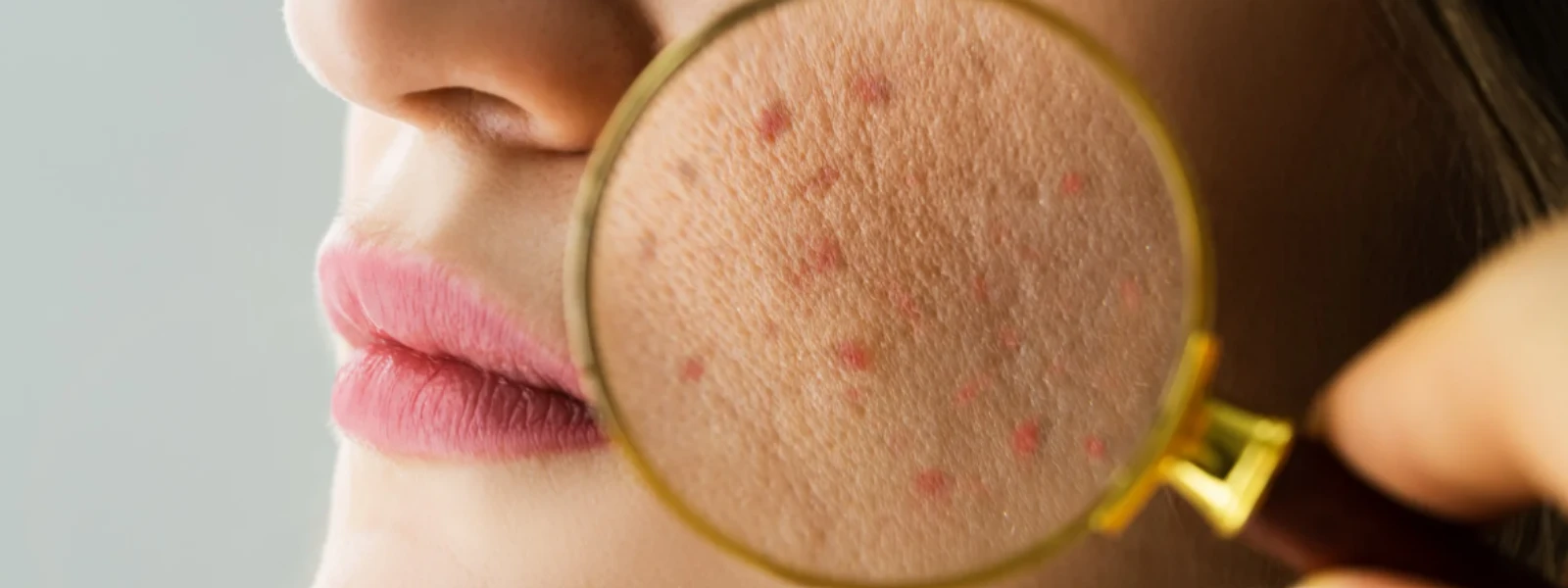
Before we debunk the myths, let's get clear on what actually causes acne. Your sebaceous glands produce sebum (oil) to keep your skin moisturized. When these glands produce too much oil, dead skin cells stick together and clog your pores. Add bacteria (specifically P. acnes) to this mix, and you get inflammation - aka a pimple. Understanding sebaceous gland function is key to managing breakouts.
Hormonal acne causes are particularly misunderstood. Androgens like testosterone increase sebum production, which is why breakouts often spike during puberty, menstrual cycles, pregnancy, or times of stress. This isn't about being "dirty" or eating the wrong foods - it's your body's natural hormone fluctuations affecting your skin.
Many skincare myths about pimples exist because people confuse correlation with causation. Just because your skin looks better after scrubbing doesn't mean the scrubbing helped - you might have simply removed surface oil temporarily while actually irritating your skin underneath. This highlights how easily misinformation can spread.
Myth 1: "Acne is caused by poor hygiene - wash your face more often"
This is one of the most persistent common acne misconceptions. The truth? Over-cleansing strips your skin's natural protective barrier, causing your sebaceous glands to produce even more oil to compensate. Washing your face more than twice daily can actually trigger more breakouts.
The Asaya Daily Clear Salicylic Face Cleanser contains 2% salicylic acid and 2% lactic acid to gently remove excess oil and unclog pores without over-drying your skin. This BHA+AHA+Zinc formula controls oil production while maintaining your skin's natural balance.
Myth 2: "Scrubbing harder removes acne faster"
Physical scrubbing creates micro-tears in your skin and pushes bacteria deeper into pores. This increases inflammation and can spread infection to surrounding areas. Chemical exfoliants like salicylic acid work much more effectively by dissolving the "glue" that holds dead skin cells together.
Myth 3: "Hot water opens pores and cleans deeper"
Pores don't actually open and close like doors. Hot water strips your skin's protective oils and can cause irritation and redness. Lukewarm water is gentler and just as effective for removing dirt and oil.
Myth 4: "Chocolate and greasy foods directly cause acne"
While there's limited evidence that high-glycemic foods (like white bread and sugary snacks) might influence hormonal fluctuations that affect acne, chocolate and pizza don't directly cause pimples. However, if you notice certain foods consistently trigger breakouts for you personally, it's worth avoiding them.
Myth 5: "Drinking more water cures acne"
Hydration supports overall skin health, but water alone won't cure acne. The causes run much deeper than surface hydration - you need targeted ingredients that address oil production, bacteria, and inflammation.
Myth 6: "Sun exposure clears acne permanently"
Sun might temporarily dry out existing pimples, but it also thickens your skin and can clog pores long-term. Plus, many acne medications make your skin more sun-sensitive. UV damage also worsens post-inflammatory hyperpigmentation from acne marks.
Myth 7: "Popping pimples helps them heal faster"
Squeezing pushes infected material deeper into your skin and can cause permanent scarring. It also introduces new bacteria from your hands. If you absolutely must extract something, see a professional who can do it safely.
Myth 8: "Natural remedies are always safer than acne products"
Natural doesn't automatically mean gentle or effective. Many DIY remedies like lemon juice or baking soda can severely irritate your skin. Proven acne product ingredients like salicylic acid and niacinamide have been extensively tested for both safety and efficacy.
The Asaya 2% Salicylic Acid & 5% Niacinamide Serum combines BHA for unclogging pores with niacinamide to reduce inflammation and control oil production. This quick-absorbing formula also includes tea tree oil for its antimicrobial properties.
Myth 9: "Toothpaste is an effective spot treatment"
Toothpaste contains ingredients like sodium lauryl sulfate and menthol that can cause chemical burns and severe irritation. Any temporary drying effect isn't worth the potential damage to your skin barrier.
Myth 10: "Acne treatments work immediately"
Real acne treatment truths include realistic timelines. Most effective treatments take 6-12 weeks to show significant improvement. Studies show that approximately 70% of people see improvement by week 8. Your skin needs time to turn over completely, and some ingredients like retinoids can cause initial purging before improvement.
Myth 11: "Expensive products work better than affordable ones"
Price doesn't determine effectiveness. What matters is the concentration and formulation of active ingredients. Many affordable products contain the same proven ingredients as luxury brands.
Myth 12: "You'll outgrow acne - no treatment needed"
Adult acne affects up to 50% of women in their 20s and 30s. Hormonal changes from pregnancy, menopause, or stress can trigger breakouts well into adulthood. Waiting it out often leads to unnecessary scarring and hyperpigmentation.
Myth 13: "Only topical treatments can cure acne"
Severe or hormonal acne often requires systemic approaches like oral medications or hormonal therapy. Dermatologist acne advice frequently includes combination treatments for the most effective results.
Now that we've cleared up the misconceptions, let's focus on what actually works. Effective acne solutions target the four main factors: excess oil production, clogged pores, bacteria, and inflammation. Understanding hormonal acne causes is crucial for many individuals.
Salicylic acid (BHA) penetrates oil to unclog pores and has anti-inflammatory properties. Niacinamide reduces oil production and calms inflammation. Benzoyl peroxide kills acne bacteria but can be drying. Retinoids increase cell turnover to prevent clogged pores. Sebaceous gland function is directly impacted by many of these ingredients.
Start with a gentle cleanser morning and evening. The Asaya Even Tone Face Cleanser contains kojic acid and alpha arbutin to address both acne and the dark spots that often follow breakouts. This low-pH formula won't strip your skin while helping prevent future marks.
Apply treatment serums to clean skin, then follow with a lightweight moisturizer. Yes, even oily skin needs moisture - skipping it can trigger more oil production.
Most people see initial improvement in 4-6 weeks, with significant results by 12 weeks. The key is consistency - stopping and starting treatments resets your progress. Why doesn't scrubbing help acne? Because it irritates the skin and can push bacteria deeper, worsening inflammation.
Yes, several Asaya products address both concerns. The Even Tone Face Cleanser contains ingredients that help prevent new breakouts while fading existing marks. For targeted treatment, the 2% Kojic Acid & 1% Alpha Arbutin Serum specifically targets post-inflammatory hyperpigmentation.
Not all oils clog pores. Non-comedogenic oils like jojoba can actually help balance oil production. The key is choosing products formulated specifically for acne-prone skin.
Understanding real acne facts instead of falling for persistent myths can completely transform your approach to clear skin. The most important truth? Acne is a medical condition, not a hygiene issue or character flaw. It requires patience, consistency, and the right ingredients - not harsh scrubbing or expensive miracle cures. These acne treatment myths debunked are essential knowledge for anyone struggling with breakouts.
For those dealing with both acne and the dark spots it often leaves behind, Asaya's MelaMe™ Complex offers a science-backed solution. This advanced skincare-engineered, melanin-first molecule is designed to visibly treat discolouration and restore pigment balance within 2 weeks of regular use. It works by breaking down excess melanin deposits into re-absorbable amino acids while inhibiting future melanin production, making it particularly effective for post-inflammatory hyperpigmentation that commonly follows breakouts on melanin-rich skin.
Remember, effective acne treatment isn't about perfection - it's about finding a sustainable routine that works for your skin type and lifestyle. Focus on gentle, consistent care with proven ingredients, and give your treatments time to work. Your skin will thank you for choosing science over myths.
