


11 Natural Ways to Treat Breakouts for Teens
Your Cart
0You May Also Like
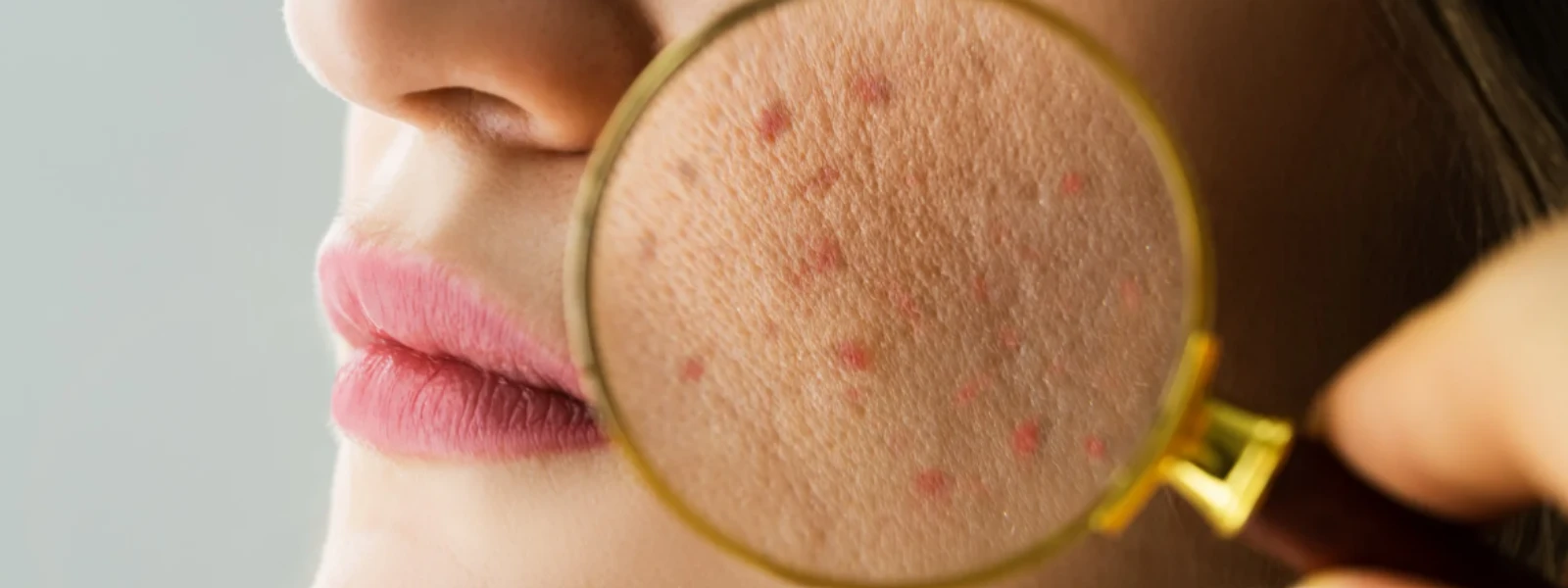
Teenage acne affects nearly 85% of young people between ages 12-24, making it one of the most common skin concerns during adolescence. While the market is flooded with harsh chemical treatments promising overnight results, many teens and their parents are turning to gentler, natural alternatives that work with the skin rather than against it. Natural remedies offer a holistic approach to managing breakouts without the potential side effects of aggressive treatments like dryness, irritation, or antibiotic resistance. These time-tested methods not only help clear existing breakouts but also support overall skin health and teach valuable self-care habits that last a lifetime.
Teenage breakouts happen due to a perfect storm of hormonal changes, increased oil production, and bacterial growth. During puberty, androgens like testosterone surge, causing sebaceous glands to produce excess sebum. This oil mixes with dead skin cells and clogs pores, creating an ideal environment for Propionibacterium acnes bacteria to thrive.
Hormonal fluctuations during adolescence trigger a cascade of skin changes. The sebaceous glands become hyperactive, producing up to five times more oil than adult skin. When this excess sebum combines with dead skin cells, it forms plugs in hair follicles, leading to blackheads and whiteheads.
Natural teen acne natural remedies offer several advantages over harsh chemical treatments. They work more gently with developing skin, reducing the risk of irritation and over-drying. Many natural ingredients possess anti-inflammatory, antibacterial, and healing properties that address multiple aspects of acne formation. Plus, these gentle breakout treatment for teens options are often more affordable and accessible than prescription medications.
These evidence-based natural methods can effectively manage teenage breakouts when used consistently. Each remedy targets different aspects of acne formation, from reducing inflammation to controlling bacterial growth.
Direct application of natural ingredients can provide targeted treatment for active breakouts and prevent new ones from forming.
1. Tea Tree Oil Spot Treatment
Tea tree oil contains terpinen-4-ol, a compound with powerful antibacterial properties. Studies show it can be as effective as benzoyl peroxide but with fewer side effects. Always dilute tea tree oil to 5-10% concentration using a carrier oil like jojoba or coconut oil. Apply directly to blemishes twice daily using a cotton swab.
2. Honey and Turmeric Masks
Raw honey has natural antibacterial and anti-inflammatory properties, while turmeric contains curcumin, which reduces redness and swelling. Mix one tablespoon of raw honey with half a teaspoon of turmeric powder. Apply to clean skin for 15-20 minutes, then rinse with warm water. Use 2-3 times weekly.
3. Aloe Vera Gel Application
Aloe vera soothes inflamed skin and promotes healing. Use pure aloe vera gel (99% or higher) rather than products with added fragrances or alcohol. Apply a thin layer to affected areas after cleansing, both morning and evening. Fresh aloe from the plant works best but requires proper extraction.
4. Green Tea Toner
Green tea is rich in antioxidants and has anti-inflammatory properties. Brew strong green tea, let it cool completely, and transfer to a spray bottle. Use as a toner after cleansing or throughout the day for a refreshing mist. Store in the refrigerator for up to one week.
5. Apple Cider Vinegar (Diluted)
Apple cider vinegar helps balance skin pH and has antimicrobial properties. Always dilute it with water in a 1:3 ratio (one part vinegar to three parts water). Apply with a cotton pad to affected areas, avoiding the eye area. Start with once daily application and increase gradually if well-tolerated.
6. Witch Hazel as Natural Astringent
Witch hazel contains tannins that help tighten pores and reduce inflammation. Choose alcohol-free versions to avoid over-drying. Apply with a cotton pad after cleansing, focusing on oily areas like the T-zone. Use once or twice daily depending on skin sensitivity.
What you put into your body affects your skin health. These internal approaches support clear skin from within.
7. Zinc Supplementation
Zinc plays a crucial role in immune function and wound healing. Studies suggest that teens with acne often have lower zinc levels. The recommended dosage is 30-40mg daily, but consult with a healthcare provider before starting supplements. Natural food sources include pumpkin seeds, chickpeas, and lean meats.
8. Anti-Inflammatory Diet Changes
Certain foods can trigger inflammation and worsen acne. Reduce dairy products, high-glycemic foods, and processed sugars. Instead, focus on omega-3 rich foods like walnuts and flaxseeds, antioxidant-rich berries, and plenty of water. Aim for 8-10 glasses of water daily to help flush toxins.
9. Stress Management Techniques
Stress increases cortisol production, which can worsen acne. Incorporate stress-reducing activities like yoga, meditation, or regular exercise. Ensure 8-9 hours of quality sleep nightly, as this is when skin repairs itself. Create a calming bedtime routine to improve sleep quality.
Proper cleansing removes excess oil and impurities without stripping the skin's natural barrier.
10. Oil Cleansing Method
Contrary to popular belief, certain oils can actually help balance oily skin. Use non-comedogenic oils like jojoba, argan, or grapeseed oil. Massage gently into dry skin for 1-2 minutes, then remove with a warm, damp cloth. This method dissolves excess sebum and makeup without over-drying.
11. Clay Mask Treatments
Bentonite or kaolin clay absorbs excess oil and draws impurities from pores. Mix clay powder with water or rose water to form a paste. Apply to clean skin, avoiding the eye area, and leave for 10-15 minutes until dry. Rinse with lukewarm water and follow with moisturizer. Use 1-2 times weekly.
Consistency is key when using natural acne treatment for teenagers. A well-structured routine helps maintain skin balance and prevents new breakouts from forming.
Start with a gentle cleanser suitable for your skin type. Follow with a natural toner like green tea or diluted apple cider vinegar. Apply any treatment serums to specific areas, then finish with a lightweight, non-comedogenic moisturizer. Always end with broad-spectrum sunscreen, as many natural ingredients can increase sun sensitivity.
Remove makeup and sunscreen with oil cleansing, followed by a gentle water-based cleanser. Apply treatments like tea tree oil or aloe vera gel to affected areas. Use heavier treatments like honey masks 2-3 times weekly. Always moisturize, even if you have oily skin, to maintain the skin barrier.
These DIY acne masks for teenagers use common household ingredients to create effective treatments. Always patch test new ingredients before applying to your entire face.
Mix oatmeal with honey for a gentle exfoliating mask that soothes inflammation. Combine plain yogurt with turmeric for a brightening treatment that reduces redness. Mashed banana with a drop of tea tree oil creates a nourishing mask for dry, acne-prone skin. These home remedies for teen pimples are cost-effective and use natural ingredients.
Chamomile tea compresses can soothe inflamed skin when applied topically. Drinking spearmint tea may help reduce hormonal acne in some individuals. Calendula preparations have healing properties that can speed recovery from breakouts. These herbal acne solutions for young adults work both internally and externally.
While natural treatments are generally safer than harsh chemicals, they can still cause reactions in sensitive individuals. Always introduce new ingredients gradually and monitor your skin's response.
Apply a small amount of any new ingredient to your inner wrist or behind your ear. Wait 24-48 hours to check for redness, itching, or irritation. Common allergens include essential oils, citrus extracts, and certain plant-based ingredients. Discontinue use immediately if you experience any adverse reactions.
Severe acne with deep cysts, widespread inflammation, or scarring may require professional treatment. If natural methods show no improvement after 6-8 weeks of consistent use, consult a dermatologist. They can recommend appropriate medical treatments that can be combined with natural approaches for optimal results.
Most natural treatments require 4-6 weeks of consistent use to show noticeable results. Some people may see improvements in 2-3 weeks, while others might need 8-12 weeks. Patience and consistency are crucial for success with natural methods.
Yes, but introduce one new treatment at a time to monitor your skin's response. Avoid using too many active ingredients simultaneously, as this can cause irritation. Start with gentle options like aloe vera and honey before adding stronger treatments like tea tree oil.
Most natural ingredients are gentler than chemical treatments, but sensitivity varies by individual. Always patch test new ingredients and start with lower concentrations. Avoid citrus oils, high concentrations of essential oils, and anything that causes stinging or burning.
Avoid over-washing, using too many products at once, or expecting overnight results. Do not use undiluted essential oils, harsh scrubs, or squeeze pimples. Consistency with a simple routine works better than constantly changing products.
Research suggests that high-glycemic foods and dairy products may worsen acne in some individuals. While diet alone rarely causes acne, maintaining a balanced diet rich in antioxidants and omega-3 fatty acids can support overall skin health and complement topical treatments.
Natural acne treatments offer a gentle yet effective approach to managing teenage breakouts. The 11 methods outlined here address different aspects of acne formation, from reducing inflammation to controlling bacterial growth. Remember that consistency is more important than perfection – choose 2-3 treatments that work for your lifestyle and stick with them for at least 6-8 weeks. Combine topical treatments with healthy lifestyle choices like stress management, adequate sleep, and a balanced diet for the best results. While natural methods are generally safer than harsh chemicals, always listen to your skin and seek professional help if your acne is severe or not responding to natural treatments. With patience and the right approach, clear skin is achievable through natural means.
