


11 Best Ways to Treat Breakouts for Indian Skin
Your Cart
0You May Also Like
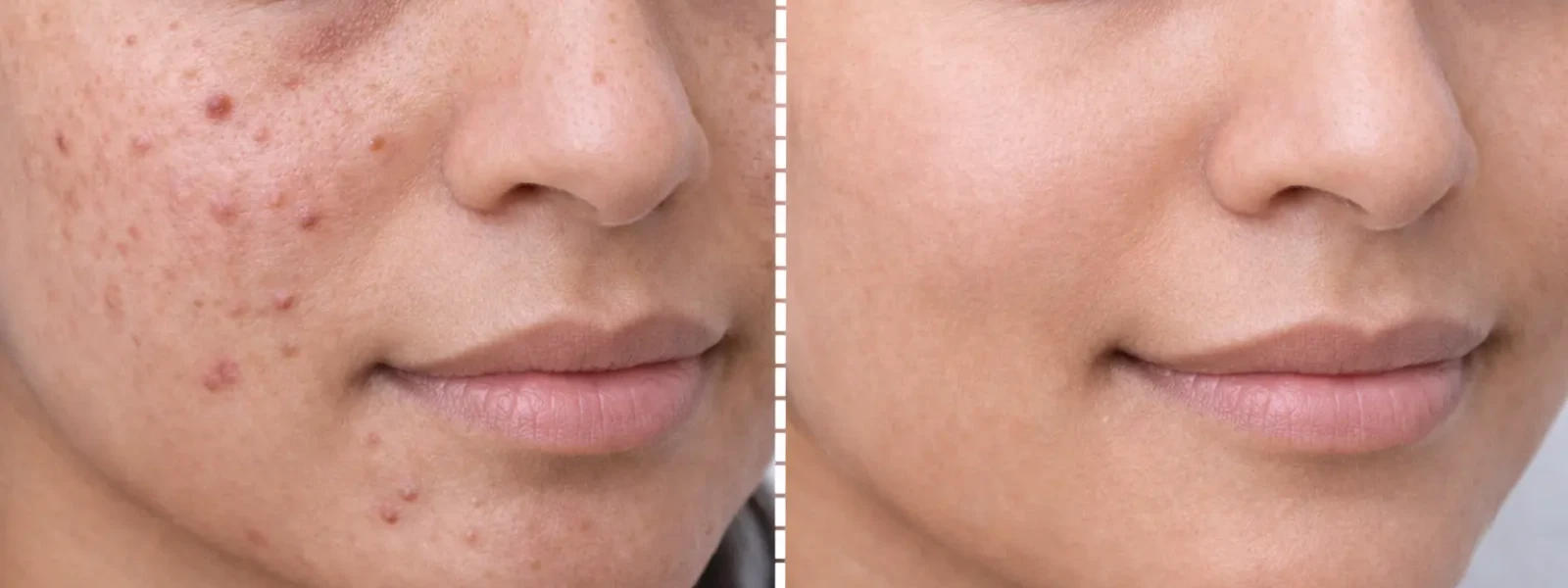
Dealing with breakouts on Indian skin comes with unique challenges that many generic skincare guides simply don't address. Our melanin-rich complexions are more prone to post-inflammatory hyperpigmentation, while India's humid climate and pollution levels create the perfect storm for persistent acne. Whether you're battling hormonal breakouts during monsoon season or struggling with stubborn dark spots left behind by previous pimples, understanding how to treat acne treatment Indian skin requires a tailored approach. The good news? There are proven methods specifically designed for breakout solutions for brown skin that work with, not against, our skin's natural characteristics.
Indian skin has distinct characteristics that make it respond differently to acne treatments compared to other skin types. Our higher melanin content provides natural sun protection but also makes us more susceptible to dark spots after breakouts heal. The combination of genetic predisposition to oilier skin, environmental factors like humidity and pollution, and dietary influences creates a complex landscape for skincare for acne prone Indian complexion.
Monsoon humidity can trigger excessive oil production, while air pollution clogs pores with microscopic particles. Additionally, hormonal fluctuations common in Indian women, often linked to PCOS, create cyclical breakout patterns that require specialized attention.
Unlike lighter skin tones, Indian skin tends to develop dark spots even from minor breakouts. This means that effective acne scars treatment Indian skin must address both active acne and prevent future pigmentation issues simultaneously.
These proven methods combine traditional wisdom with modern dermatological science to provide comprehensive pimples remedies for desi skin. Each approach targets specific aspects of acne while considering our skin's unique needs.
Start with an oil-based cleanser to dissolve makeup and sunscreen, followed by a gentle foam cleanser containing neem or salicylic acid. This method ensures thorough removal of pollutants and excess sebum without stripping your skin's natural barrier.
Contrary to popular belief, acne-prone Indian skin still needs hydration. Look for lightweight, non-comedogenic formulas with hyaluronic acid and ceramides that provide moisture without clogging pores.
Daily SPF 30+ protection is crucial for preventing post-acne hyperpigmentation. Choose broad-spectrum formulas specifically designed for oily skin acne treatment India that won't exacerbate breakouts.
Mix raw honey with a pinch of turmeric to create a powerful anti-inflammatory spot treatment. Apply directly to active breakouts for 15-20 minutes before rinsing. This combination reduces redness and prevents bacterial growth naturally.
Fresh neem paste or neem oil applications provide potent antibacterial benefits. Use 2-3 times weekly as a targeted treatment for persistent breakouts, following traditional Ayurvedic practices that have proven effective for generations.
Brew strong green tea, let it cool, and apply with a cotton pad as a toner. The antioxidants help reduce inflammation while providing gentle astringent properties perfect for natural acne care for Indian skin types.
Multani mitti (Fuller's earth) mixed with rose water creates an effective weekly treatment that absorbs excess oil and unclogs pores. Apply for 15 minutes when the mask is still slightly damp to avoid over-drying.
Beta hydroxy acids penetrate oil-filled pores effectively. Start with 0.5-1% concentrations and gradually increase as your skin builds tolerance. This approach works particularly well for blackheads and whiteheads common in Indian skin.
Begin with over-the-counter retinol products before considering prescription options. Retinoids help with cell turnover and prevent clogged pores, though initial purging is common. Start with twice-weekly applications.
Glycolic and lactic acid peels performed by qualified dermatologists can significantly improve both active acne and post-acne marks. These treatments are particularly effective for dermatologist acne treatment India protocols.
Track your breakout patterns with your menstrual cycle. Hormonal acne often appears along the jawline and chin. Consider dietary modifications, stress management, and consult healthcare providers for persistent hormonal imbalances.
Managing hyperpigmentation after acne Indian skin requires proactive prevention rather than reactive treatment. The key lies in gentle handling of breakouts and consistent use of brightening ingredients.
Never pick or squeeze pimples, as this increases inflammation and subsequent pigmentation. Instead, use targeted spot treatments and allow breakouts to heal naturally. Incorporate vitamin C serums in the morning and niacinamide in the evening to prevent dark spot formation.
For existing dark spots, consider professional treatments like laser therapy or microneedling. These procedures stimulate collagen production and accelerate skin renewal, though multiple sessions may be required for optimal results.
Understanding hormonal acne remedies Indian women requires recognizing the connection between PCOS, insulin resistance, and skin health. Many Indian women experience hormonal fluctuations that directly impact their skin condition.
Dietary modifications can significantly impact hormonal acne. Reduce dairy consumption, limit high-glycemic foods, and increase omega-3 fatty acids through fish or flaxseeds. Spearmint tea has shown promise in reducing androgen levels naturally.
Consult an endocrinologist if you experience irregular periods, excessive hair growth, or persistent cystic acne. These symptoms may indicate underlying hormonal imbalances requiring medical intervention beyond topical treatments.
Creating an effective routine for skincare for acne prone Indian complexion requires consistency and patience. Start with basic cleansing, moisturizing, and sun protection before adding active ingredients.
Morning routines should focus on protection and hydration, while evening routines can incorporate treatment products. Introduce new products gradually to avoid overwhelming your skin and causing additional irritation.
Apply products from thinnest to thickest consistency. Serums go before moisturizers, and always finish with sunscreen during the day. Wait 5-10 minutes between product applications to ensure proper absorption.
Spot treatments containing benzoyl peroxide or tea tree oil can reduce active breakouts within 24-48 hours. Ice therapy helps reduce inflammation immediately, while overnight clay masks absorb excess oil effectively.
Increased humidity during monsoon season triggers excessive oil production and creates ideal conditions for bacterial growth. The combination of sweat, pollution, and moisture clogs pores more readily during this period.
While natural treatments can significantly improve mild to moderate acne, severe cases often require dermatological intervention. Combining natural approaches with proven active ingredients typically yields the best results for Indian skin.
Consult a dermatologist if you experience persistent cystic acne, severe scarring, or if over-the-counter treatments haven't shown improvement after 6-8 weeks of consistent use.
Treating breakouts on Indian skin requires understanding our unique challenges and advantages. The combination of traditional remedies like neem and turmeric with modern ingredients like salicylic acid and retinoids provides comprehensive care. Remember that preventing post-acne hyperpigmentation is just as important as treating active breakouts.
Consistency trumps intensity when building your skincare routine. Start with gentle, proven methods and gradually incorporate stronger treatments as your skin builds tolerance. Most importantly, be patient – significant improvements in acne typically take 8-12 weeks of consistent care to become visible.
