

11 Best Ingredients for PCOS Acne: Clearer Skin Naturally
Your Cart
0You May Also Like

₹424 ₹499

₹509 ₹599

₹594 ₹699

₹424 ₹499

₹636 ₹749

₹466 ₹549
PCOS affects up to 20% of women of reproductive age, and here's what makes it particularly frustrating: around 70-80% of women with PCOS deal with persistent acne that doesn't respond well to typical treatments. This isn't your average breakout situation. PCOS acne is driven by elevated androgens, insulin resistance, and chronic inflammation, which means the usual acne solutions often fall short. The good news? When you understand what's actually happening under your skin, you can choose ingredients that target these root causes instead of just treating symptoms. Whether you're looking for topical treatments or internal support, the right combination of evidence-based ingredients can make a real difference in managing PCOS-related breakouts.
• PCOS acne requires targeted ingredients that address hormonal imbalances, inflammation, and insulin resistance, not just surface-level treatments • The most effective approach combines topical powerhouses like salicylic acid and niacinamide with anti-inflammatory ingredients and dietary support • Results typically take 6-12 weeks with consistent use, and the best strategy involves both skincare and internal support for lasting improvement
PCOS acne isn't just hormonal acne with a different name. The elevated androgens in PCOS trigger your sebaceous glands to produce excess oil, while insulin resistance creates a cascade of inflammatory responses that keep breakouts coming back. Add chronic low-grade inflammation to the mix, and you've got skin that's constantly in reactive mode. This is why regular acne treatments often disappoint. They might clear surface breakouts temporarily, but they don't address the underlying hormonal chaos. The best ingredients for PCOS related acne work on multiple levels: controlling oil production, reducing inflammation, and supporting your body's natural hormone balance. Expecting overnight results will only lead to frustration. Most people see initial improvements around the 4-6 week mark, with significant changes taking 8-12 weeks of consistent use.
Salicylic acid penetrates oil-filled pores better than most other ingredients, making it particularly effective for the stubborn blackheads and whiteheads that PCOS often brings. It's also anti-inflammatory, which helps calm the redness and irritation that comes with hormonal breakouts. Start with 0.5-1% concentrations and work up to 2% if your skin tolerates it well. The Asaya Daily Clear Salicylic Face Cleanser combines 2% salicylic acid with lactic acid and zinc PCA, giving you a thorough but gentle daily cleanse that won't strip your skin.
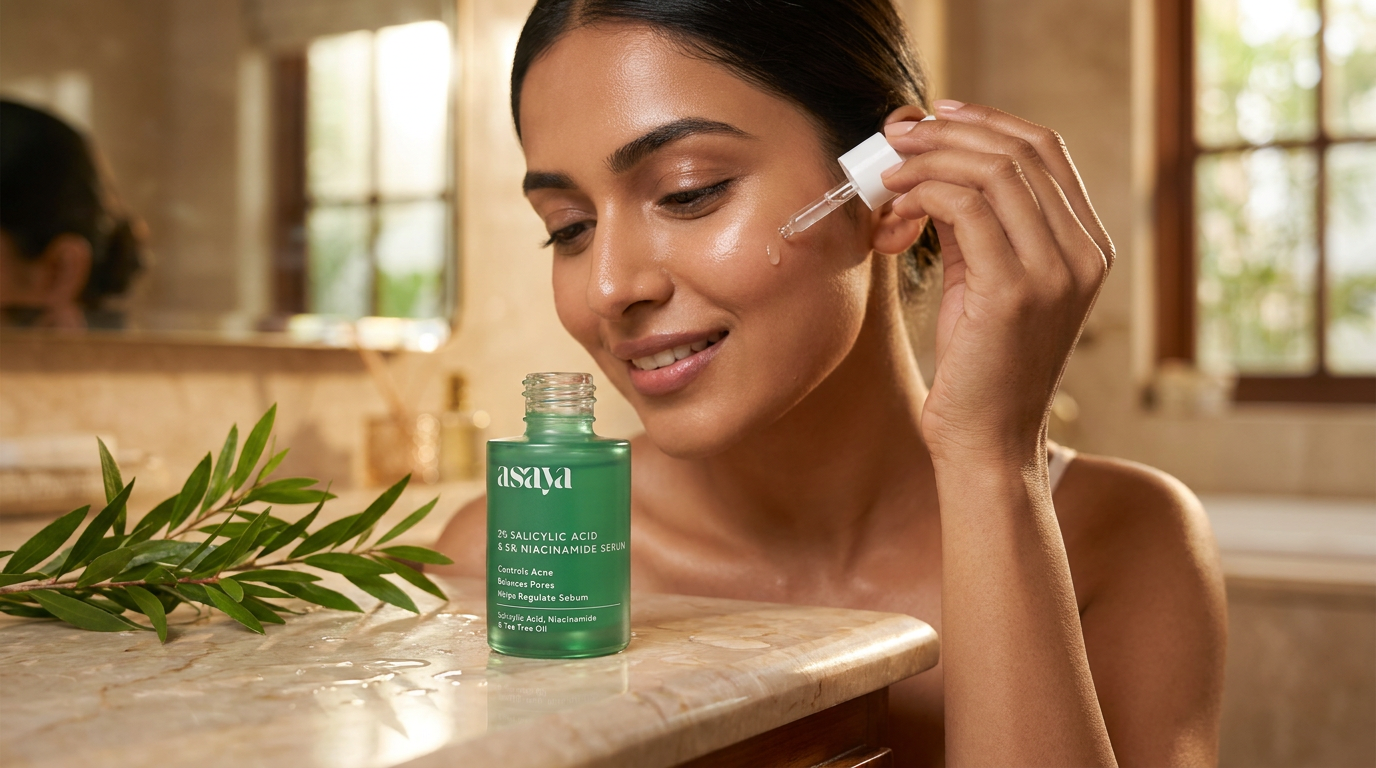
Niacinamide does triple duty for PCOS skin: it regulates sebum production, reduces inflammation, and may even help improve insulin sensitivity when used topically. Studies show 5% niacinamide can reduce oil production by up to 30% after 8 weeks of use. The Asaya 2% Salicylic Acid & 5% Niacinamide Serum combines these two powerhouse ingredients with tea tree oil for a targeted approach to active breakouts. Use it once daily initially, building up to twice daily as your skin adjusts.
Zinc has antimicrobial properties that help control acne-causing bacteria, plus it's naturally anti-inflammatory. Topical zinc can be particularly helpful for the angry, inflamed breakouts that PCOS often produces. Look for zinc oxide in sunscreens or zinc PCA in cleansers and serums. It's gentle enough for daily use and works well with other active ingredients.
Azelaic acid offers antibacterial and anti-inflammatory benefits without the irritation that stronger actives sometimes cause. It's particularly good at preventing the dark spots that often follow PCOS breakouts, especially on deeper skin tones. Start with 10% formulations and use every other night initially. It plays well with other ingredients and rarely causes the purging that retinoids sometimes trigger.
Retinoids speed up cell turnover and help prevent pores from getting clogged in the first place. For PCOS acne, they're particularly valuable because they can help normalize the thickened, sticky sebum that hormonal imbalances create. Start with over-the-counter retinol or adapalene (now available without prescription). Use 2-3 times per week initially, always with sunscreen during the day.
Green tea extract contains EGCG, a powerful antioxidant that reduces inflammation and may help regulate sebum production. Studies show topical green tea can reduce acne lesions by up to 60% after 8 weeks. You can find it in serums and moisturizers, or make your own toner by brewing strong green tea and applying it with a cotton pad once it's cooled.
Curcumin, the active compound in turmeric, has potent anti-inflammatory and antimicrobial properties. It can help calm angry breakouts and may even help regulate some of the inflammatory pathways involved in PCOS. Always patch test turmeric-based products, as they can temporarily stain lighter skin tones. Look for standardized curcumin extracts in commercial products for consistent results.
Licorice root contains glycyrrhizin, which has anti-inflammatory effects and may help modulate hormone activity. It's also excellent for preventing and fading the dark spots that often follow PCOS breakouts. It's gentle enough for daily use and works particularly well in combination with other brightening ingredients.
Omega-3s help reduce the chronic inflammation that drives PCOS symptoms, including acne. They may also help improve insulin sensitivity, addressing one of the root causes of PCOS breakouts. Aim for 1-2 grams of combined EPA and DHA daily from fish oil or algae-based supplements. Fatty fish like salmon and sardines are excellent food sources.
Spearmint tea has mild anti-androgenic properties that may help reduce the elevated male hormones that drive PCOS acne. Small studies suggest drinking 2 cups daily may help reduce acne over 2-3 months. Brew it strong and drink it consistently. It's caffeine-free, so you can have it any time of day.
Inositol, particularly myo-inositol, helps improve insulin sensitivity and may help regulate hormone levels in PCOS. Better insulin function often translates to clearer skin over time. The typical dose is 2-4 grams daily, often split between morning and evening. Look for a 40:1 ratio of myo-inositol to D-chiro-inositol for optimal results.
Start simple and build gradually. Begin with a gentle cleanser containing salicylic acid in the morning, followed by a niacinamide serum and broad-spectrum sunscreen. In the evening, double cleanse if you wear makeup, then apply your active ingredients. Introduce new ingredients one at a time, waiting 2-3 weeks between additions to see how your skin responds. The Asaya 2% Salicylic Acid & 5% Niacinamide Serum is an excellent starting point because it combines two proven ingredients in one step. Weekly treatments like clay masks or gentle chemical exfoliation can provide extra support, but don't overdo it. PCOS skin is often more reactive than regular acne-prone skin.
Most people notice some improvement in oil control and inflammation within 4-6 weeks. Significant changes in breakout frequency typically take 8-12 weeks of consistent use. The Asaya Better Daily Essentials set provides a complete routine that supports gradual, sustainable improvement.
Yes, but introduce them gradually. Salicylic acid and niacinamide work well together, as do retinoids with anti-inflammatory ingredients. Avoid combining multiple exfoliating acids at once, and always use sunscreen when using active ingredients.
PCOS acne is typically more persistent and inflammatory due to the combination of elevated androgens, insulin resistance, and chronic inflammation. It often affects the jawline, chin, and sometimes the chest and back more severely than typical hormonal acne.
Avoid overly harsh scrubs or high concentrations of drying ingredients like benzoyl peroxide, which can trigger more oil production. Also be cautious with products containing comedogenic oils if you're prone to clogged pores.
Managing PCOS acne requires patience and a multi-pronged approach that addresses both the symptoms and underlying causes. The most effective strategy combines proven topical ingredients like salicylic acid and niacinamide with anti-inflammatory support and internal interventions. Remember that PCOS is a complex hormonal condition, and your skin is just one reflection of what's happening internally. While the right skincare ingredients can make a significant difference, working with healthcare providers to address the underlying hormonal imbalances will give you the best long-term results. The MelaMe™ Complex, Asaya's advanced skincare-engineered molecule, works particularly well for the dark spots that often follow PCOS breakouts, helping to break down excess melanin deposits and restore even tone within 2 weeks of regular use.
