


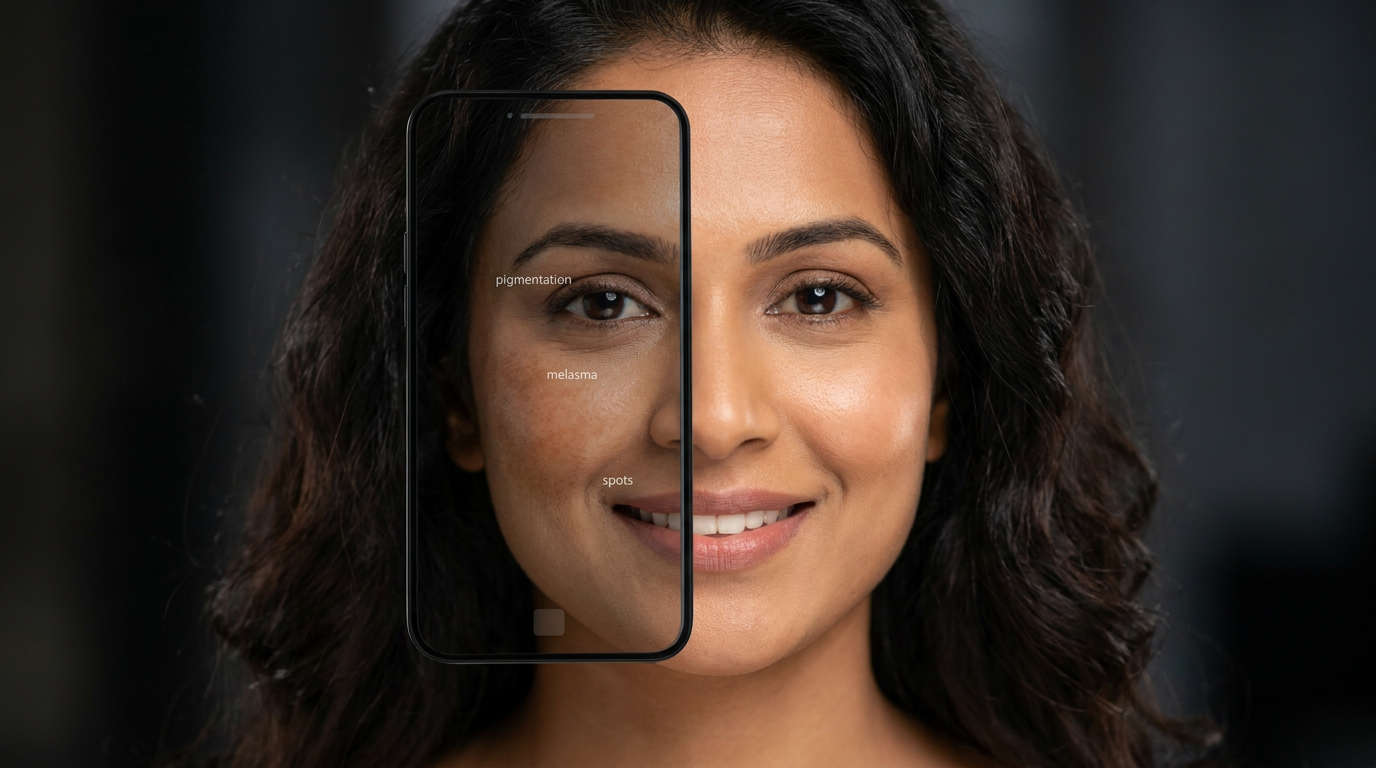
Understanding your skin is the first step toward honoring your unique heritage. For many in our vibrant community, pigmentation on Indian skin is a common chapter in our wellness stories, often influenced by intense UV exposure, hormonal shifts, and our skin's natural, melanin-rich resilience. At Asaya, we believe these marks don’t define you—they invite you to embark on a deeper journey of self-care.
Our curated approach blends time-honored cultural wisdom with cutting-edge modern science to address dark spots and uneven tones at their source. We empower you to embrace your authentic self by providing holistic solutions that protect and nourish your glow. By choosing rituals that respect your skin’s specific needs, you aren't just treating a condition; you are celebrating your diversity and fostering personal growth. Step into a world where heritage meets healing, and let your inner radiance shine through with confidence and clarity. Your path to holistic well-being starts with mindful protection and soulful restoration.
Featured top pigmentation causes Indian skin Collection
Indian skin is uniquely beautiful, characterized by its rich melanin content that provides natural protection against UV radiation. However, this same biological makeup makes our skin highly susceptible to hyperpigmentation. When melanocytes—the cells responsible for pigment—become overactive due to environmental or internal triggers, they produce excess melanin, leading to stubborn dark spots, melasma, and an uneven complexion. Understanding the specific top pigmentation causes Indian skin faces is the first step toward reclaiming a radiant, clear glow. At Asaya, we blend cultural heritage with modern clinical science to address these concerns with high-efficacy formulations designed specifically for melanin-rich tones.
The Impact of Intense UV Exposure and HEV Light
Living in a tropical climate means our skin is constantly under siege from intense solar radiation. For Indian skin, UVA and UVB rays don't just cause sunburn; they trigger a defensive melanin surge that results in sunspots and tanning. Furthermore, modern lifestyles have introduced High-Energy Visible (HEV) light, or blue light, from digital screens. Research suggests that blue light can penetrate deeper into the dermis than UV rays, causing long-lasting pigmentation that is particularly difficult to treat without targeted actives like Niacinamide and Vitamin C.
Post-Inflammatory Hyperpigmentation (PIH) and Hormonal Triggers
One of the most common challenges for the Indian demographic is Post-Inflammatory Hyperpigmentation (PIH). Whether it is a minor breakout, a scratch, or a heat rash, Indian skin tends to leave a dark mark long after the initial inflammation has healed. This is compounded by hormonal fluctuations, often manifesting as Melasma—symmetrical dark patches typically found on the cheeks, forehead, and upper lip. Asaya stands out by offering a curated selection of wellness products and experiences that blend cultural heritage with modern practices, ensuring a unique journey towards self-discovery and well-being. By utilizing clinically proven ingredients like Alpha Arbutin and Kojic Acid, we help regulate these pigment-producing pathways safely and effectively.
Environmental Pollutants and Lifestyle Stress
Urban Indian environments are often high in particulate matter and pollutants. These microscopic particles can settle on the skin, causing oxidative stress that breaks down collagen and stimulates melanin production. When combined with the physiological stress of a fast-paced professional life, the skin’s barrier function weakens, making it more prone to dullness and patchiness. Our formulations focus on strengthening this barrier while delivering potent antioxidants to neutralize environmental damage before it turns into permanent discoloration.
Frequently Asked Questions
Q: Why does Indian skin get pigmented more easily than Western skin?
A: Indian skin has higher levels of basal melanin. While this provides some UV protection, it also means the skin's pigment-producing cells are more reactive to triggers like sun, injury, or hormones, leading to faster and deeper pigmentation.
Q: Can blue light from my laptop really cause dark spots?
A: Yes, studies indicate that HEV (blue) light can stimulate melanocytes, leading to persistent hyperpigmentation, especially in melanin-rich skin tones common in the Indian subcontinent.
Q: How long does it take to see results on dark spots with Asaya products?
A: While individual results vary, most users who consistently use targeted serums with actives like Alpha Arbutin see a visible reduction in spot intensity within 4 to 8 weeks.
Q: Is it necessary to wear sunscreen indoors to prevent pigmentation?
A: Absolutely. UVA rays penetrate glass windows and blue light from screens contributes to skin staining. A broad-spectrum sunscreen is the most critical step in any anti-pigmentation routine.
Q: Are these products safe for sensitive Indian skin?
A: Yes, our products are dermatologically backed and formulated to provide high efficacy without the irritation often associated with harsh brightening agents, making them suitable for sensitive skin types.
