


What to Do After Sun Exposure: Your FAQ Guide
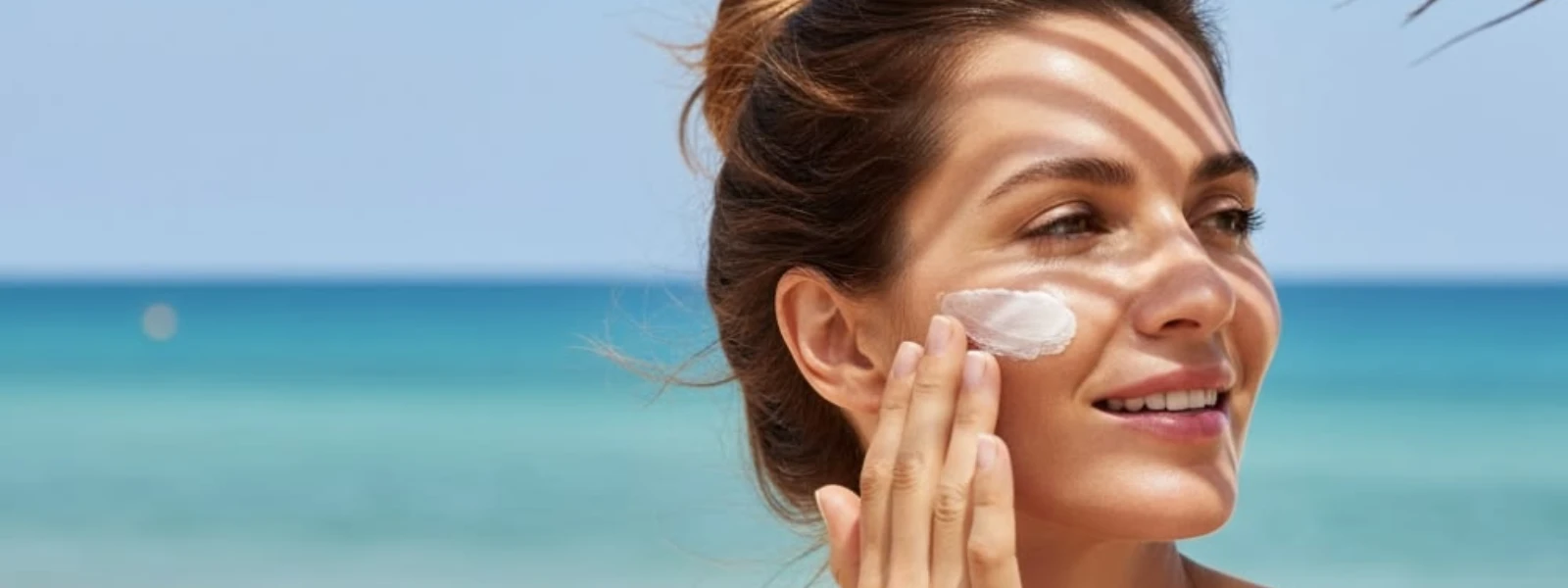
That burning sensation on your skin after a day in the sun is your body's way of telling you it needs immediate attention. Whether you've spent too long at the beach, forgot to reapply sunscreen during outdoor activities, or simply underestimated the sun's intensity, knowing what to do after sun exposure can make the difference between quick recovery and prolonged discomfort. The first few hours after sun damage are crucial for minimizing inflammation, preventing further damage, and kickstarting your skin's natural healing process. From immediate cooling techniques to long-term recovery strategies, proper after sun care helps restore your skin's health while reducing the risk of lasting damage like dark spots and premature aging.
The moment you realize your skin has been overexposed to the sun, quick action becomes essential. Your skin temperature needs to drop immediately to halt the ongoing damage process. Getting out of direct sunlight should be your first priority, followed by cooling your skin temperature as quickly as possible.
Take a cool shower or bath within the first 30 minutes if possible. Use lukewarm to cool water, never ice-cold, as extreme temperature changes can shock already damaged skin. Gently cleanse with a mild, fragrance-free soap to remove any sunscreen, salt, or chlorine residue that might irritate your skin further.
Pat your skin dry with a soft towel instead of rubbing, which can cause additional irritation. While your skin is still slightly damp, apply a cooling after sun product or aloe vera gel. This technique, called wet skin application, helps lock in moisture and provides better absorption of healing ingredients.
After sun care focuses heavily on replenishing lost moisture and calming inflammation. Sun exposure depletes your skin's natural moisture barrier, leaving it dehydrated and vulnerable. The right ingredients can significantly speed up recovery while providing immediate relief from burning and tightness.
Look for products containing hyaluronic acid, which can hold up to 1000 times its weight in water, making it perfect for rehydrating sun-damaged skin. Aloe vera remains the gold standard for sunburn relief due to its natural anti-inflammatory and cooling properties.
Ceramides help rebuild your skin's protective barrier, while niacinamide reduces inflammation and helps prevent post-inflammatory hyperpigmentation. For Indian skin tones, preventing dark spots after sun exposure is particularly important, as melanin-rich skin tends to develop pigmentation more readily after trauma.
Apply cooling products every 2-3 hours during the first day after sun exposure. Use gentle patting motions and avoid any rubbing or massage that might further irritate damaged skin. Layer lightweight, water-based formulas rather than heavy creams that might trap heat.
Not all sun exposure results in the same level of damage. Understanding how to assess and treat different degrees of sunburn helps you choose the most effective approach. Mild redness requires different care than severe burns with blistering.
For mild redness and warmth, cooling lotions and hydrating mists provide sufficient relief. Moderate sunburn with noticeable pain and swelling benefits from anti-inflammatory treatments and cold compresses applied for 10-15 minutes at a time.
Over-the-counter anti-inflammatory medications like ibuprofen can reduce both pain and inflammation from the inside out. Take these medications as directed on the package, and continue for 24-48 hours to manage the inflammatory response effectively.
Severe sunburn with blistering, fever, or signs of sun poisoning requires medical attention. Never attempt to treat severe burns at home, as improper care can lead to infection and permanent scarring.
Knowing what not to do after sun exposure is just as important as proper treatment. Common mistakes can worsen damage and delay healing significantly. Many people unknowingly sabotage their recovery by using inappropriate products or techniques.
Avoid all harsh active ingredients for at least a week after sun exposure. This means no retinol, glycolic acid, salicylic acid, or vitamin C serums until your skin has completely healed. These ingredients can cause severe irritation on already compromised skin.
Alcohol-based products will further dehydrate your skin and increase irritation. Petroleum-based products like Vaseline can trap heat in your skin, preventing proper healing. Numbing sprays containing benzocaine or lidocaine might provide temporary relief but can cause allergic reactions on damaged skin.
Never pop blisters, as this creates an open wound prone to infection. Avoid tight clothing that rubs against sunburned areas. Don't apply ice directly to sunburned skin, as this can cause additional damage to already compromised tissue.
Several kitchen staples provide effective, gentle relief for sun-damaged skin. These natural remedies work particularly well for mild to moderate sunburn and can complement commercial after sun products. The key is using ingredients with proven anti-inflammatory and cooling properties.
Cool milk compresses work exceptionally well due to the proteins and fats that soothe inflammation. Soak a clean cloth in cold milk and apply to affected areas for 15-20 minutes. The lactic acid in milk also provides gentle exfoliation as your skin begins to heal.
Oatmeal baths reduce itching and irritation thanks to compounds called avenanthramides. Grind plain oatmeal into a fine powder and add to lukewarm bathwater. Green tea compresses provide antioxidants that aid the healing process while offering cooling relief.
Mix equal parts aloe vera gel and honey for a healing mask that combines anti-inflammatory and antimicrobial properties. Apply for 20 minutes before rinsing with cool water. A blend of coconut oil and a few drops of lavender essential oil creates a soothing treatment for dry, peeling skin.
Mild sunburn typically heals within 3-5 days, while moderate sunburn can take 1-2 weeks. Severe sunburn with blistering may require 2-3 weeks for complete healing. Proper after sun care can significantly reduce healing time and minimize peeling.
Regular moisturizers may contain fragrances or active ingredients that irritate sunburned skin. Choose fragrance-free, gentle formulas specifically designed for sensitive or damaged skin. Look for ingredients like aloe vera, hyaluronic acid, or ceramides.
After sun lotions contain specific cooling and anti-inflammatory ingredients like menthol, aloe vera, or lidocaine. They're formulated to provide immediate relief and promote healing, while regular moisturizers focus primarily on hydration without the specialized healing components.
Start using gentle antioxidants like vitamin C once your skin has healed completely. Maintain strict sun protection with SPF 30 or higher daily. For Indian skin tones, consider products with niacinamide or kojic acid to help prevent post-inflammatory hyperpigmentation.
Wait until all redness, peeling, and sensitivity have completely resolved before reintroducing active ingredients. This typically takes 1-2 weeks depending on severity. Start with gentle products and gradually reintroduce stronger actives over several days.
Yes, itching is a normal part of the healing process as new skin cells regenerate. Resist the urge to scratch, which can cause infection or scarring. Use cool compresses, gentle moisturizers, or antihistamines to manage itching.
Proper after sun care begins the moment you notice skin damage and continues throughout the healing process. Quick action in the first few hours can significantly reduce the severity of sunburn and speed recovery. Focus on cooling, hydrating, and protecting your skin while avoiding common mistakes that can worsen damage.
Remember that prevention remains the best strategy for maintaining healthy skin. Once your skin has healed completely, establish a daily sun protection routine to prevent future damage. For those prone to pigmentation issues, consistent sunscreen use and gentle, targeted skincare can help maintain an even skin tone and prevent the formation of dark spots that often follow sun exposure.
