


What SPF Rating to Use? Your Sunscreen SPF Guide
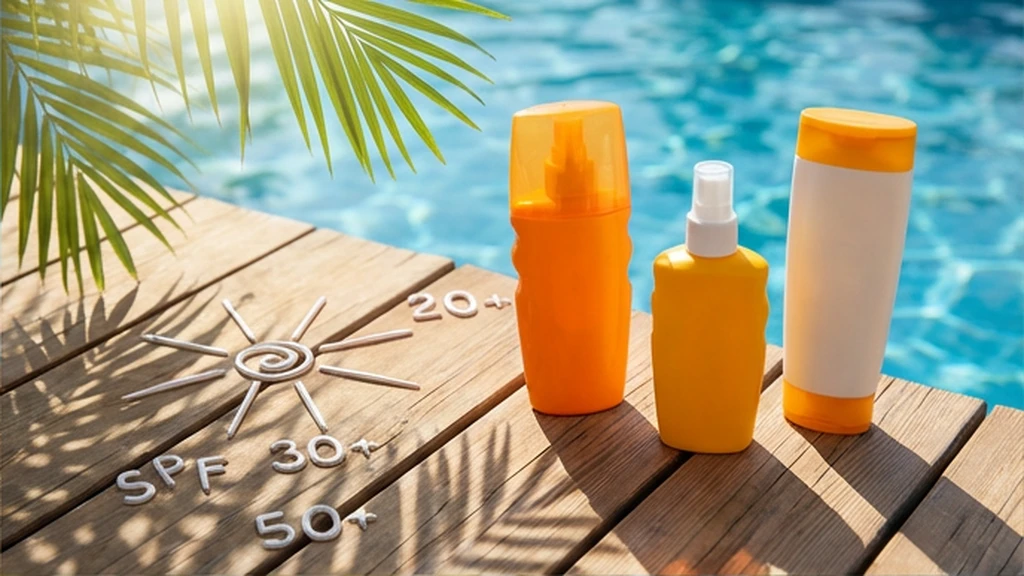
Choosing the right sunscreen can feel overwhelming with countless SPF options lining store shelves. Understanding what SPF rating to use isn't just about picking the highest number—it's about finding the perfect balance between protection, skin compatibility, and your daily lifestyle. Whether you're dealing with sensitive skin, spending long hours outdoors, or simply want reliable daily protection, the right SPF choice can make all the difference in maintaining healthy, protected skin. This comprehensive guide breaks down everything you need to know about SPF levels, helping you make an informed decision that suits your unique needs.
Sun Protection Factor measures how well a sunscreen protects against UVB rays, the primary cause of sunburn and skin cancer. The SPF number indicates how much longer you can stay in the sun without burning compared to unprotected skin. For example, if your skin normally burns after 10 minutes, SPF 30 theoretically allows you to stay in the sun for 300 minutes (10 x 30) before burning occurs.
However, SPF effectiveness isn't quite that straightforward in real-world conditions. Factors like sweating, swimming, toweling off, and uneven application significantly reduce protection time. This is why dermatologists recommend reapplying sunscreen every two hours, regardless of the SPF rating you choose.
The most crucial aspect of any sunscreen is broad spectrum sunscreen protection. While SPF measures UVB protection, broad spectrum formulas also shield against UVA rays, which penetrate deeper into skin and cause premature aging, dark spots, and long-term damage. Without broad spectrum protection, even high SPF products leave your skin vulnerable to significant harm.
The jump between SPF levels might seem dramatic, but the actual protection difference is smaller than most people realize. SPF 30 blocks approximately 97% of UVB rays, while SPF 50 blocks about 98%. This means you're only getting 1% additional protection when moving from SPF 30 to SPF 50.
SPF 100 blocks roughly 99% of UVB rays, representing just a 1% improvement over SPF 50. These diminishing returns explain why many dermatologists consider SPF 30 the sweet spot for most people's daily needs. Higher SPF products often contain more chemical filters, which can increase the risk of skin irritation without providing dramatically better protection.
Despite the small percentage differences, that extra 1-2% protection can matter for certain individuals. People with very fair skin, those with a history of skin cancer, or individuals spending extended time outdoors may benefit from the marginal additional protection that higher SPF provides.
Your skin type plays a significant role in determining what SPF rating to use for optimal protection. Different skin tones have varying levels of natural protection, but everyone needs sunscreen regardless of their complexion. Understanding your skin's unique needs helps you select the most appropriate SPF level.
Lifestyle factors equally influence your SPF requirements. An office worker who commutes by car needs different protection than someone who works outdoors or enjoys weekend hiking adventures.
Fair skin burns quickly and has minimal natural protection against UV damage. People with light skin should use SPF 50 or higher for any sun exposure beyond brief errands. Even for daily indoor activities with occasional outdoor exposure, SPF 30 should be the absolute minimum.
Medium skin tones have more natural melanin protection but still require consistent sun protection. SPF 30-50 provides excellent protection for most daily activities, with higher SPF recommended for extended outdoor time or intense sun exposure.
While darker skin has more natural UV protection, it's not immune to sun damage. Dark skin can still develop sun spots, premature aging, and skin cancer. SPF 30 provides adequate protection for most situations, though higher SPF may be beneficial for prolonged sun exposure.
Determining SPF for skin type when dealing with oily or acne-prone skin requires special consideration. Look for lightweight, non-comedogenic formulas that won't clog pores. Mineral sunscreens with zinc oxide or titanium dioxide often work well for sensitive, breakout-prone skin.
Your daily activities and sun exposure time should guide your SPF selection. Different scenarios require different levels of protection to ensure your skin stays safe and healthy. Understanding these varying needs helps you choose the most appropriate sunscreen for each situation.
Daily SPF use for routine activities like commuting, running errands, or working indoors with occasional outdoor breaks requires minimum SPF 30. This provides adequate protection for incidental sun exposure while being gentle enough for everyday wear.
Hiking, gardening, sports, or beach days demand SPF 50 or higher. The longer exposure time and often intense sun conditions require maximum protection to prevent burning and long-term damage.
Swimming, surfing, or any water sports need water-resistant formulas rated for either 40 or 80 minutes. Water reflects UV rays, intensifying exposure, so choose SPF 50+ and reapply immediately after swimming or toweling off.
Mountain activities or snow sports require SPF 50+ due to increased UV intensity at higher elevations and snow's reflective properties. UV exposure increases by 4-5% for every 1,000 feet of elevation gain.
Facial skin requires special attention when selecting SPF protection. The delicate skin on your face is more susceptible to sun damage, premature aging, and pigmentation issues. Choosing the right facial SPF helps prevent dark spots, fine lines, and maintains an even skin tone.
Most dermatologists recommend using SPF 30-50 specifically formulated for facial use. These products are typically lighter, less greasy, and designed to work well under makeup. Daily SPF use on your face is one of the most effective anti-aging strategies you can implement.
For those dealing with hyperpigmentation or dark spots, consistent facial SPF use is crucial for preventing existing spots from darkening and new ones from forming. Look for formulas that complement your skincare routine and don't interfere with other treatments you might be using.
Many people make critical errors when choosing sunscreen that can compromise their protection. Understanding these common mistakes helps you make better decisions and ensures your skin gets the protection it needs. Price shouldn't be the primary factor in SPF selection—effectiveness and skin compatibility matter more.
One major mistake is ignoring broad spectrum protection. Some products focus only on SPF numbers while neglecting UVA protection, leaving skin vulnerable to aging and pigmentation damage. Always choose broad spectrum formulas regardless of the SPF level.
Application amount significantly affects SPF effectiveness. Most people apply only 25-50% of the recommended amount, dramatically reducing protection. Use about 1/4 teaspoon for your face and 1 ounce (2 tablespoons) for your entire body to achieve the stated SPF protection.
Expired sunscreen loses effectiveness over time. Check expiration dates and replace products that have been stored in hot cars or direct sunlight, as heat can break down active ingredients even before the expiration date.
Leading dermatologists consistently recommend SPF 30 as the minimum for daily use, with SPF 50+ for extended outdoor activities or sensitive skin. This sunscreen SPF guide approach balances effective protection with practical daily use. The key is consistent application and reapplication rather than relying solely on high SPF numbers.
Understanding SPF helps you make informed decisions based on your specific needs rather than marketing claims. Focus on broad spectrum protection, proper application, and regular reapplication for the best results. Remember that no sunscreen provides 100% protection, so combine SPF use with protective clothing, hats, and seeking shade during peak sun hours.
For most people, a high-quality SPF 30-50 broad spectrum sunscreen used consistently provides excellent protection. Upgrade to higher SPF only if you have specific risk factors or spend considerable time in intense sun conditions.
SPF 50 offers marginally better protection (98% vs 97%) but SPF 30 is sufficient for most daily activities. Choose SPF 50+ for extended sun exposure, very fair skin, or if you have a history of skin cancer. The most important factor is consistent use and proper application.
Dermatologists recommend minimum SPF 30 for daily facial use, with SPF 50 preferred for those with fair skin or extended outdoor time. Choose a formula specifically designed for facial use that works well under makeup and doesn't clog pores.
SPF 30 provides excellent protection with lower chemical concentration, making it gentler for daily facial use. SPF 70 offers minimal additional benefit (less than 1% more protection) while potentially increasing skin irritation risk. Consistent SPF 30 use is more beneficial than occasional SPF 70 use.
Fair skin benefits from SPF 50+, medium skin tones do well with SPF 30-50, and darker skin should use minimum SPF 30. All skin types need broad spectrum protection regardless of natural pigmentation. Oily skin should choose lightweight, non-comedogenic formulas.
Reapply sunscreen every two hours, or immediately after swimming, sweating heavily, or toweling off. This applies regardless of SPF level. For daily indoor activities with minimal sun exposure, morning application may be sufficient, but reapply if you go outdoors.
While body sunscreen provides adequate UV protection, facial formulas are specifically designed for delicate facial skin. They're typically lighter, less likely to clog pores, and work better under makeup. Use face-specific SPF when possible for optimal comfort and skin health.
