

What Is Sunscreen Mist? Your Complete Guide
Summer days call for sun protection, but traditional sunscreen can feel heavy and greasy. Enter sunscreen mist—a lightweight alternative that's changing how we think about daily sun care. This innovative spray format delivers the same UV protection as traditional lotions but with a completely different experience. Whether you're rushing out the door or need a quick touch-up over makeup, sunscreen mist offers convenience without compromising protection. Let's explore what makes this format special and how it can fit into your daily routine.
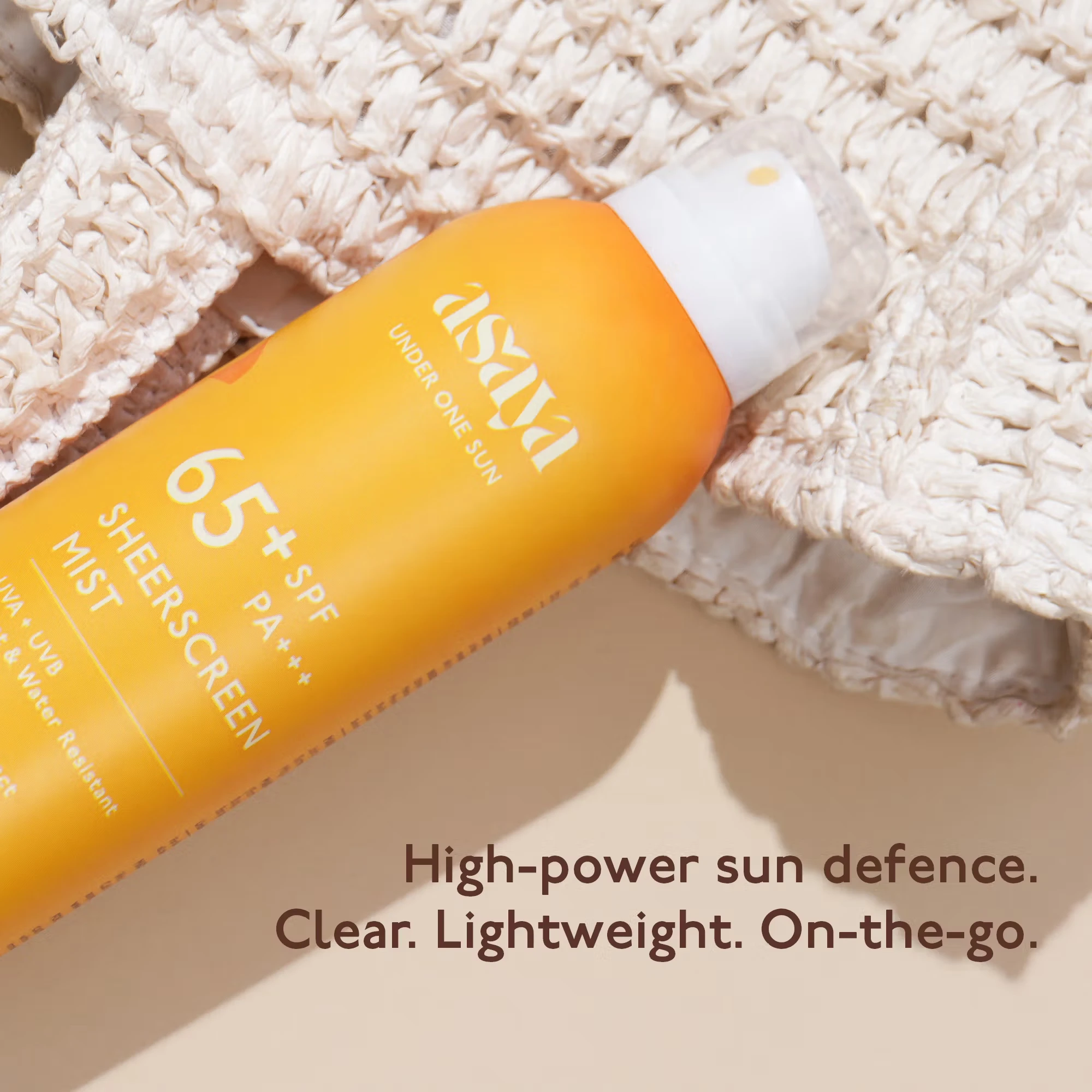
Sunscreen mist is a liquid sun protection formula delivered through an aerosol or pump spray system. Unlike thick creams or lotions, this format transforms sunscreen into fine droplets that settle evenly on your skin. The active ingredients remain the same—either chemical filters like avobenzone and octinoxate, or mineral sunscreen mist containing zinc oxide and titanium dioxide. The spray delivery system works by pressurizing the formula, creating a consistent mist when you press the nozzle. This allows for even distribution across large areas of skin without the need for rubbing or blending. Most sun protection mist products offer broad-spectrum protection, shielding your skin from both UVA and UVB rays. You'll find options ranging from SPF 30 to SPF 50+, giving you the same protection levels as traditional formulas.
The world of sunscreen spray offers several distinct categories to match different skin needs and preferences. Understanding these options helps you choose the right formula for your lifestyle and skin type. Chemical sunscreen sprays use synthetic UV filters that absorb into the skin and convert UV radiation into heat. These formulas tend to be lighter and more transparent, making them popular for daily wear. On the other hand, mineral sunscreen mist relies on physical blockers like zinc oxide and titanium dioxide that sit on top of the skin to reflect UV rays.
Face mist with SPF deserves special attention since facial skin is more delicate than body skin. These formulas are typically lighter, non-comedogenic, and designed to work well under makeup. Some include additional skincare benefits like hydration or anti-aging ingredients. Tinted options provide light coverage while protecting your skin, perfect for those who want to streamline their routine. Water-resistant formulas offer extended protection during swimming or sweating, though they still require reapplication according to label directions.
The appeal of mist sunscreen benefits goes beyond just convenience. This format addresses many common complaints people have about traditional sunscreen application. Even coverage tops the list of advantages. The spray mechanism helps you reach areas that are often missed with lotion, like the back of your neck, between your shoulder blades, and around your ears. The fine mist settles uniformly, reducing the risk of streaky or patchy protection. • Lightweight feel that won't weigh down your skin • Quick application that saves time in your routine • Easy reapplication over makeup without disturbing your look • Mess-free experience with no sticky fingers or greasy residue • Travel-friendly packaging that fits in your bag For those living in humid climates or dealing with oily skin, the breathable nature of most spray formulas feels more comfortable than heavy creams. The quick-drying properties mean you can get dressed immediately without worrying about staining your clothes.
Knowing how to apply sunscreen mist correctly makes all the difference in your protection level. Many people assume spraying is foolproof, but there are specific techniques that ensure optimal coverage. Start by holding the bottle 4-6 inches away from your skin. This distance allows the mist to spread evenly without creating concentrated spots or missing areas entirely. Apply in a continuous, sweeping motion rather than quick bursts. For your body, you'll need approximately one ounce of product for full coverage—that's about the size of a shot glass. This might seem like a lot when using spray, but adequate application is crucial for the SPF rating to be effective.
When applying face mist with SPF, never spray directly onto your face. Instead, spray the product into your palms and then pat it onto your facial skin. This prevents accidental inhalation and ensures you don't miss areas around your eyes and nose. Close your eyes and mouth during application, and avoid spraying in windy conditions where the product might blow away before settling on your skin.
Finding the best sunscreen mist depends on your specific skin concerns and lifestyle needs. Different formulations cater to various skin types and sensitivities. For sensitive skin, look for sunscreen mist for sensitive skin that features mineral-based ingredients. These physical blockers are less likely to cause irritation compared to chemical filters. Fragrance-free options further reduce the risk of reactions. Oily or acne-prone skin benefits from non-comedogenic formulas that won't clog pores. Look for sunscreen mist ingredients like niacinamide or salicylic acid that can actually help control excess oil while providing protection. Dry skin types should seek out hydrating ingredients like aloe vera, vitamin E, or hyaluronic acid. These additions help maintain moisture levels while protecting against UV damage.
The primary difference lies in the application method and texture. Sunscreen mist delivers protection through a spray mechanism, creating a lighter feel and faster application. The active ingredients and protection levels remain comparable to traditional formulas.
Yes, but proper technique is essential. Always spray into your hands first, then apply to your face. This prevents inhalation and ensures even coverage around delicate areas like your eyes.
Reapply every two hours, or immediately after swimming, sweating heavily, or toweling off. The convenience of mist makes reapplication easier, especially when you're wearing makeup.
When applied correctly and in adequate amounts, sunscreen mist provides equivalent protection to lotion formulas. The key is using enough product and ensuring even coverage.
Look for broad-spectrum protection with either zinc oxide and titanium dioxide for mineral options, or avobenzone and octinoxate for chemical formulas. Additional beneficial ingredients include antioxidants like vitamin C or E.
Children over 6 months can use sunscreen mist, but adult supervision is crucial during application. Choose gentle, mineral-based formulas and always apply in a well-ventilated area.
Sunscreen mist represents a practical evolution in sun protection, offering the same UV defense as traditional formulas with added convenience and comfort. The key to success lies in proper application technique and choosing a formula that matches your skin type and lifestyle needs. Whether you're looking for quick morning protection, easy reapplication throughout the day, or a lightweight alternative to heavy creams, sunscreen mist can be a valuable addition to your skincare routine. Remember that consistent use matters more than the specific format you choose—the best sunscreen is the one you'll actually use every day.
