

Understanding SPF: Your Complete Sunscreen Guide
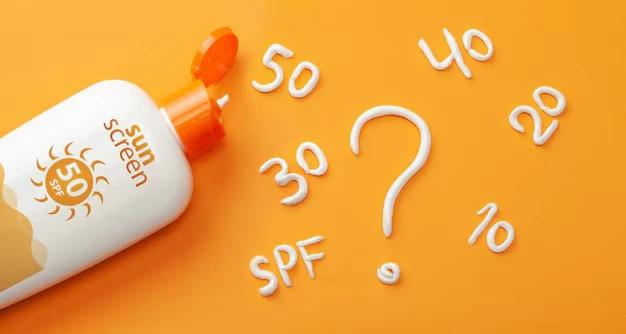
Choosing the right sunscreen can feel overwhelming when you're staring at shelves filled with different SPF numbers. What does SPF 30 really mean compared to SPF 50? How much protection do you actually get from that expensive SPF 100 bottle? Understanding these numbers isn't just about avoiding sunburn – it's about protecting your skin's long-term health and maintaining that healthy glow you love. Let's break down the spf rating explained simply so you can make confident choices for your skin protection routine.
Sun Protection Factor, or SPF, measures how well a sunscreen protects your skin from UVB rays – the ones that cause sunburn. Think of SPF as a multiplier for your skin's natural protection time. If your skin normally burns after 10 minutes in the sun, SPF 30 theoretically extends that time to 300 minutes. The science behind how spf works involves creating a barrier on your skin that absorbs, reflects, or scatters UV radiation. Chemical sunscreens absorb UV rays and convert them to heat, while mineral sunscreens create a physical barrier that reflects rays away from your skin. Both methods effectively reduce the amount of harmful radiation reaching your skin cells. Many people think higher SPF means dramatically better protection, but that's not quite accurate. The difference between SPF 30 and SPF 50 is smaller than you might expect. SPF meaning relates to the percentage of UVB rays blocked, not the strength of protection.
The sunscreen rating system might seem straightforward, but the actual protection percentages tell a different story. SPF 15 blocks about 93% of UVB rays, while SPF 30 blocks 97%. SPF 50 increases that to 98%, and SPF 100 reaches 99%. These percentages reveal why dermatologists often recommend SPF 30 as the sweet spot for daily wear. The jump from SPF 15 to 30 gives you a significant 4% increase in protection, but going from SPF 30 to 50 only adds 1% more coverage. For most people, SPF 30 provides excellent protection when applied properly. SPF levels above 50 can be beneficial for specific situations. If you have very fair skin, spend extended time outdoors, or live at high altitudes where UV exposure intensifies, higher SPF numbers make sense. However, the law of diminishing returns applies – you're paying more for minimal additional protection.
The "minutes formula" oversimplifies sun protection. Your actual protection time depends on several factors beyond SPF numbers. Skin type, sun intensity, geographic location, time of day, and even your activity level all influence how long your sunscreen remains effective. Sweat, swimming, and toweling off remove sunscreen, regardless of SPF level. Even "waterproof" formulas need reapplication every two hours for optimal protection. The key is consistent reapplication rather than relying solely on high SPF numbers.
Broad spectrum sunscreen protects against both UVA and UVB rays, while SPF only measures UVB protection. UVA rays penetrate deeper into skin, causing premature aging, wrinkles, and contributing to skin cancer risk. UVB rays cause sunburn and also contribute to cancer development. Look for "broad spectrum" on labels to ensure complete protection. Some sunscreens use the PA rating system, common in Asian beauty products. PA+ provides some UVA protection, while PA++++ offers the highest level. This system complements SPF ratings by addressing the protection gap that SPF numbers don't cover. The best sunscreen guide advice emphasizes broad spectrum protection over high SPF numbers alone. A broad spectrum SPF 30 provides better overall protection than a high SPF product that only blocks UVB rays.
Your ideal SPF depends on your skin's natural protection level and daily activities. Fair skin that burns easily benefits from SPF 30 or higher for daily wear, while deeper skin tones might find SPF 15-30 sufficient for routine activities. However, everyone needs higher protection during extended outdoor exposure. For beach days, hiking, or sports, choose SPF 50 or higher regardless of skin tone. Water and sweat reduce sunscreen effectiveness, making higher SPF a smart insurance policy. Reapply every two hours, or immediately after swimming or heavy sweating. Daily commuters and office workers often do well with SPF 30 in their moisturizer or makeup. This provides adequate protection for incidental sun exposure while walking to your car or eating lunch outdoors. The key is consistent daily use rather than occasional high-SPF application.
Beach and pool activities require water-resistant SPF 50+ with frequent reapplication. The combination of direct sun, reflected rays from water, and reduced clothing coverage demands maximum protection. Urban environments with limited direct sun exposure work well with SPF 30. However, if you walk, bike, or spend time in parks regularly, consider SPF 50 for better coverage during these activities.
Effective sunscreen guide reading starts with the active ingredients list. Zinc oxide and titanium dioxide provide broad spectrum mineral protection, while chemical ingredients like avobenzone, octinoxate, and oxybenzone offer different protection profiles. Water resistance claims specify duration – either 40 or 80 minutes. No sunscreen is truly "waterproof," so ignore products making this claim. Look for "water resistant" with specific timing instead. Avoid sunscreens with SPF over 100, as they often provide false confidence while offering minimal additional protection. The FDA has questioned whether ultra-high SPF products mislead consumers about their actual protection level.
Broad spectrum labeling ensures UVA and UVB protection. Check expiration dates, as expired sunscreen loses effectiveness. Look for products from reputable brands that undergo rigorous testing. Fragrance-free formulas work better for sensitive skin, while those with added moisturizers can simplify your routine. However, prioritize sun protection over additional benefits when choosing your primary sunscreen.
Sunburn prevention requires proper application technique, not just high SPF numbers. Most people apply only 25-50% of the recommended amount, dramatically reducing their actual protection level. Use about one ounce (two tablespoons) of sunscreen for your entire body. For your face alone, apply about 1/4 teaspoon. This might seem like a lot, but proper coverage requires generous application. Apply sunscreen 15-30 minutes before sun exposure to allow proper absorption. Reapply every two hours, or immediately after swimming, sweating, or toweling off. Don't forget often-missed spots like ears, feet, and the back of your neck.
Sunscreen works best as part of a comprehensive sun protection strategy. Seek shade during peak UV hours (10 AM to 4 PM), wear protective clothing, and use wide-brimmed hats and UV-blocking sunglasses. Layering protection methods provides better coverage than relying solely on sunscreen. A long-sleeved shirt with UPF rating plus sunscreen on exposed areas offers superior protection compared to sunscreen alone.
No, SPF doesn't directly translate to time. SPF 50 means the sunscreen blocks 98% of UVB rays, not that it lasts 500 minutes. Your protection time depends on skin type, sun intensity, and proper application. Reapply every two hours regardless of SPF level.
SPF 30 blocks 97% of UVB rays, SPF 50 blocks 98%, and SPF 70 blocks about 98.5%. For daily use, SPF 30 provides excellent protection. Choose SPF 50+ for extended outdoor activities or very fair skin. SPF 70+ offers minimal additional benefit over SPF 50.
PA ratings measure UVA protection, which SPF numbers don't address. PA+ offers some UVA protection, while PA++++ provides the highest level. This Asian rating system helps you choose sunscreens with comprehensive UV protection beyond just SPF numbers.
Yes, you can still burn with SPF 50 if you don't apply enough product, skip reapplication, or spend extended time in intense sun. SPF 50 blocks 98% of UVB rays, but that remaining 2% can cause damage over time. Proper application and reapplication are crucial.
Understanding SPF empowers you to make smart sunscreen choices without getting caught up in marketing hype. Remember that SPF 30 provides excellent daily protection when applied properly, while SPF 50+ works better for extended outdoor activities. Focus on broad spectrum protection, proper application technique, and consistent reapplication rather than chasing the highest SPF numbers. Your skin will thank you for this thoughtful approach to sun protection, maintaining its health and radiance for years to come.
