

Ultimate Guide: Daily Face Sunscreen Application
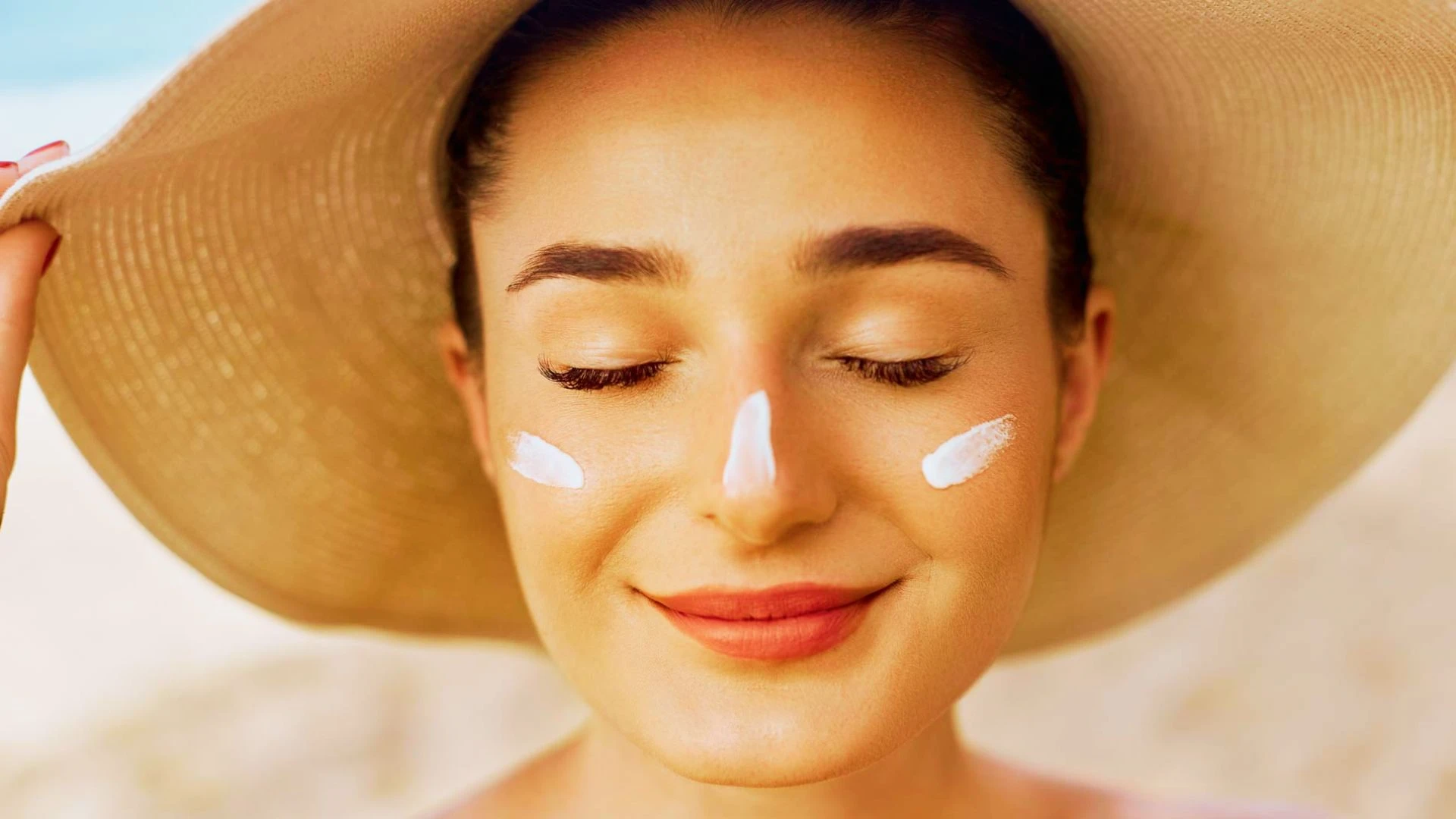
Protecting your face from harmful UV rays isn't just about beach days or summer vacations. Daily face sunscreen application has become a cornerstone of healthy skincare routines, and for good reason. Whether you're stepping outside for five minutes or spending the entire day indoors, your facial skin faces constant exposure to damaging radiation that can accelerate aging and increase health risks. This comprehensive guide will walk you through everything you need to know about incorporating face sunscreen daily use into your routine, from choosing the right formula for your skin type to mastering application techniques that ensure maximum protection. Let's dive into the science, benefits, and practical steps that will transform your approach to daily sunscreen habits.
Your facial skin deserves special attention when it comes to sun protection. Unlike the skin on your body, facial skin is thinner, more delicate, and constantly exposed to environmental stressors. Daily application of sunscreen for face creates a protective barrier that shields against both immediate damage and long-term consequences of UV exposure. The benefits extend far beyond preventing sunburn. Regular use of face sun protection can dramatically slow the aging process, maintain even skin tone, and reduce your risk of developing skin cancer by up to 40%. These aren't just marketing claims – they're backed by decades of dermatological research and real-world evidence from people who've made daily sunscreen a non-negotiable part of their routine.
UV radiation comes in two main forms that affect your skin differently. UVA rays penetrate deeper into the skin and cause long-term damage like wrinkles and age spots, while UVB rays primarily cause surface burning. Both types can reach your face even when you're indoors, as they pass through windows and reflect off surfaces like concrete, water, and snow. Your facial skin receives more cumulative UV exposure than any other part of your body, making consistent protection absolutely crucial.
Daily sunscreen use delivers measurable improvements to your skin's health and appearance. Studies show that people who use sunscreen regularly develop 24% fewer age spots and experience significantly less skin texture changes over time. The protection also helps maintain your skin's natural collagen production, keeping it firmer and more elastic as you age. Beyond cosmetic benefits, consistent sunscreen use dramatically reduces your risk of developing melanoma and other forms of skin cancer.
Not all sunscreens work the same way for every person. Your skin type, lifestyle, and personal preferences all play important roles in determining which best face sunscreen will work for your daily routine. The key is finding a formula that you'll actually want to use every single day, because consistency matters more than having the "perfect" product that sits unused on your shelf. Modern sunscreen technology has evolved to address virtually every skin concern and preference. Whether you're dealing with oily skin that breaks out easily, dry skin that needs extra moisture, or sensitive skin that reacts to many ingredients, there's a sunscreen formulation designed specifically for your needs.
If you have oily skin, look for non comedogenic sunscreen formulas that won't clog your pores or add unwanted shine. Gel-based and fluid textures absorb quickly and often include mattifying ingredients that help control oil production throughout the day. Many sunscreen for oily skin options also double as primers, creating a smooth base for makeup application.
Dry skin benefits from cream-based sunscreens that include moisturizing ingredients like hyaluronic acid, ceramides, and glycerin. These sunscreen for dry skin formulations provide both protection and hydration, streamlining your morning routine. Look for products that feel comfortable on your skin without leaving a heavy or greasy residue.
Mineral sunscreen formulas containing zinc oxide and titanium dioxide are typically the gentlest options for reactive skin. These physical blockers sit on top of your skin rather than absorbing into it, reducing the likelihood of irritation. Sunscreen for sensitive skin should be fragrance-free and formulated without common irritants like alcohol or essential oils.
Tinted sunscreen offers the convenience of light coverage combined with sun protection. These products work well for people who want to simplify their morning routine or prefer a more natural look than traditional foundation. Modern tinted formulas come in a wide range of shades to match different skin tones.
SPF ratings and sunscreen types can seem confusing, but understanding the basics helps you make informed decisions about your daily protection. The most important factor is choosing a broad-spectrum formula that protects against both UVA and UVB rays. For daily use, SPF 30 to 50 provides excellent protection without being unnecessarily heavy or expensive. The choice between mineral and chemical sunscreens often comes down to personal preference and skin sensitivity. Both types can provide excellent protection when used correctly, but they work through different mechanisms and have distinct advantages.
Mineral sunscreens create a physical barrier on your skin's surface, while chemical sunscreens absorb UV radiation and convert it to heat. Mineral formulas tend to be gentler and start working immediately upon application, making them ideal for sensitive skin. Chemical sunscreens often feel lighter and blend more seamlessly, which some people prefer for daily wear.
SPF 30 blocks about 97% of UVB rays, while SPF 50 blocks about 98%. The difference is minimal, but higher SPF can provide a safety buffer if you don't apply quite enough product. For most people, SPF 30 to 50 offers the sweet spot of excellent protection without excessive cost or heaviness.
Even the best sunscreen won't protect you if it's not applied correctly. Most people use only about half the amount of sunscreen needed for full protection, which can reduce effectiveness by up to 50%. Learning proper application techniques ensures you get the protection you're paying for. The timing of application also matters. Sunscreen should be the last step in your skincare routine but applied before any makeup. Allow a few minutes for it to set before adding other products on top.
The standard recommendation is about 1/4 teaspoon of sunscreen for your face and neck. This might seem like a lot at first, but it's the amount needed for the SPF rating to be accurate. A helpful visual is the "two-finger rule" – squeeze sunscreen along the length of your index and middle fingers, then apply that amount to your entire face.
Apply sunscreen every morning as the final step in your skincare routine, at least 15 minutes before sun exposure. Reapplication every two hours is ideal, though this can be challenging with makeup. For desk jobs or minimal sun exposure, morning application with a midday touch-up often provides adequate protection.
Successful daily sunscreen use comes down to making it a seamless part of your existing routine. The easier and more automatic the process becomes, the more likely you are to stick with it long-term. This means finding products that work well with your other skincare items and fit into your morning timeline. Consistency trumps perfection when it comes to sun protection. It's better to use a sunscreen you like every day than to have the "perfect" sunscreen that you only remember to use occasionally.
Sunscreen should be applied after your moisturizer but before makeup. The typical order is cleanser, serum, moisturizer, then sunscreen. Allow each product to absorb for a minute or two before applying the next layer. This prevents pilling and ensures each product can work effectively.
UV rays penetrate windows, so you're still getting exposure even when you're inside all day. While indoor exposure is less intense than direct sunlight, it's still cumulative and can contribute to aging and skin damage over time. Many people find that using sunscreen daily at home helps maintain their routine and provides peace of mind.
Yes, daily face sunscreen use is not only safe but recommended by dermatologists worldwide. Modern formulations are designed for everyday use and can actually improve your skin's health over time.
The best daily sunscreen is one that's broad-spectrum, SPF 30-50, and formulated for your specific skin type. Mineral sunscreens with zinc oxide work well for sensitive skin, while lightweight chemical formulas suit oily skin types.
Potential drawbacks include initial skin adjustment periods, ongoing costs, and rare allergic reactions. However, these minor concerns are far outweighed by the significant benefits of consistent sun protection.
Yes, UVA rays can penetrate windows and cause cumulative skin damage even during indoor activities. Daily application helps maintain your routine and provides comprehensive protection.
Mineral sunscreens containing zinc oxide and titanium dioxide are considered the safest options during pregnancy, as these ingredients aren't absorbed into the bloodstream.
Daily face sunscreen application is one of the most effective anti-aging and health-protective steps you can take for your skin. The key to success lies in finding a formula that works with your skin type and lifestyle, then making application a consistent habit. Remember that protection is cumulative – every day you use sunscreen is an investment in your skin's future health and appearance. Start with a basic broad-spectrum SPF 30 formula, focus on consistent application, and adjust your choice as you learn what works best for your unique needs.
