


Tanning Treatment FAQ: Your Sunburn Questions Answered
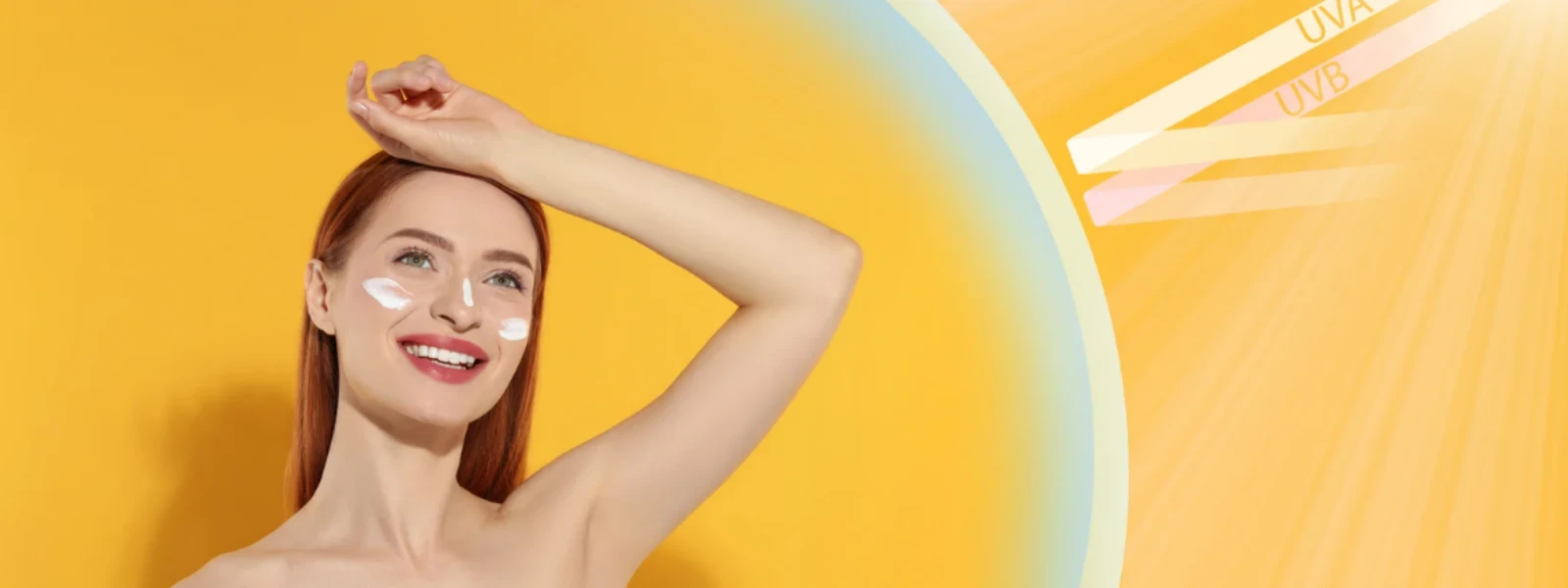
Summer brings sunshine and outdoor adventures, but it also brings the risk of sunburn and unwanted tanning. Whether you're dealing with a painful sunburn or trying to fade an uneven tan, knowing how to treat tanning properly can make all the difference in your skin's recovery. Many people struggle with finding effective solutions that actually work without causing further damage. The good news is that with the right approach, you can soothe irritated skin and gradually restore your natural complexion using both immediate relief methods and long-term treatment strategies.
When your skin is exposed to UV radiation, it triggers a complex defense mechanism that involves melanin production and cellular damage. Understanding this process helps you choose the most effective treatment approach for your specific situation.
UV rays penetrate your skin and damage DNA in skin cells. Your body responds by producing more melanin, the pigment that gives skin its color. This creates the darker appearance we call a tan. However, this process also indicates that your skin has been damaged and needs repair.
Recognizing the severity of sun damage helps determine the best treatment approach. A light tan may fade naturally with proper care, while severe sunburn requires immediate attention. Sun poisoning involves symptoms like fever, chills, and severe blistering that need medical care.
The first 24 hours after sun exposure are critical for minimizing damage and providing sunburn relief. Quick action can significantly reduce pain and speed up the healing process.
Cool water is your best friend for immediate relief. Take cool (not cold) baths or showers to lower your skin temperature. Apply cool, damp cloths to affected areas for 15-20 minutes several times a day. Avoid ice, which can cause additional damage to already compromised skin.
Within the first few hours, avoid products with alcohol, petroleum, or fragrances that can trap heat or cause irritation. Instead, focus on gentle, hydrating products that support your skin's natural healing process. Drink plenty of water to help your body recover from the inside out.
Natural tanning remedies can be highly effective when used correctly and consistently. These gentle approaches work with your skin's natural renewal process to gradually fade unwanted pigmentation.
Pure aloe vera for sunburn provides cooling relief and promotes healing. Apply fresh aloe gel directly from the plant or use a high-quality commercial product without added chemicals. The anti-inflammatory properties help reduce redness and pain while supporting skin repair.
Several common household items can help treat tanning naturally:
Lemon and honey treatment: Mix equal parts for a gentle brightening mask (15-20 minutes)
Yogurt and turmeric paste: Combine for anti-inflammatory benefits (20-minute application)
Potato juice: Apply fresh juice to dark patches for natural lightening
Oatmeal and buttermilk scrub: Gentle exfoliation to remove dead skin cells
For stubborn tanning or severe sun damaged skin repair, professional treatments may be necessary. These options provide faster and more dramatic results than home remedies alone.
Regular exfoliation helps remove tanned skin cells and reveal fresh skin underneath. Use gentle physical exfoliants or chemical options like lactic acid and glycolic acid 2-3 times weekly. Start slowly to avoid irritation and always follow with moisturizer and sunscreen.
Professional-grade ingredients can significantly improve tanned skin care results. Vitamin C serums help inhibit melanin production, while kojic acid and niacinamide work to fade existing pigmentation. These ingredients require consistent use for 4-6 weeks to see noticeable results.
The best sunburn treatment is prevention. Developing a comprehensive sun protection routine protects your skin from future damage and helps maintain the results of your tanning treatment efforts.
Apply broad-spectrum sunscreen with at least SPF 30 every day, even when it's cloudy. Reapply every two hours when outdoors, and more frequently if swimming or sweating. Choose products that suit your skin type and won't clog pores.
Consistent after sun care helps maintain healthy skin year-round. Include gentle cleansing, hydrating serums, and protective moisturizers in your daily routine. This approach supports your skin's natural repair processes and prevents future damage.
Most people see noticeable improvement in 4-6 weeks with consistent treatment. Your skin naturally renews itself every 28 days, so patience is key. Deeper tans may take 2-3 months to fade completely.
Yes, but introduce new treatments gradually to avoid irritation. Start with one method for a week, then slowly add others. Always patch test new ingredients and stop if you experience redness or burning.
Avoid harsh scrubs, alcohol-based products, and strong acids on freshly tanned or burned skin. Skip retinoids and high-concentration vitamin C until your skin has healed. These can cause additional irritation and delay recovery.
Seek professional help if you have severe blistering, signs of infection, or if home treatments aren't working after 6-8 weeks. Also consult a dermatologist if you notice any unusual changes in moles or skin texture.
While generally gentler than chemical treatments, natural ingredients can still cause reactions. Always patch test new remedies on a small area first. Those with sensitive skin should start with milder options like aloe vera or oatmeal.
Learning how to treat tanning effectively involves understanding your skin's needs and choosing appropriate methods for your situation. Whether you opt for natural remedies or professional treatments, consistency and patience are essential for success. Remember that prevention through proper sun protection is always better than treatment after damage occurs. With the right approach and realistic expectations, you can help your skin recover from sun damage and maintain a healthy, even complexion. Always listen to your skin and adjust your routine as needed, and don't hesitate to seek professional advice when dealing with severe sun damage or persistent pigmentation issues.
