


Sunscreen for Asian Skin vs. Western Formulas: A Comparison
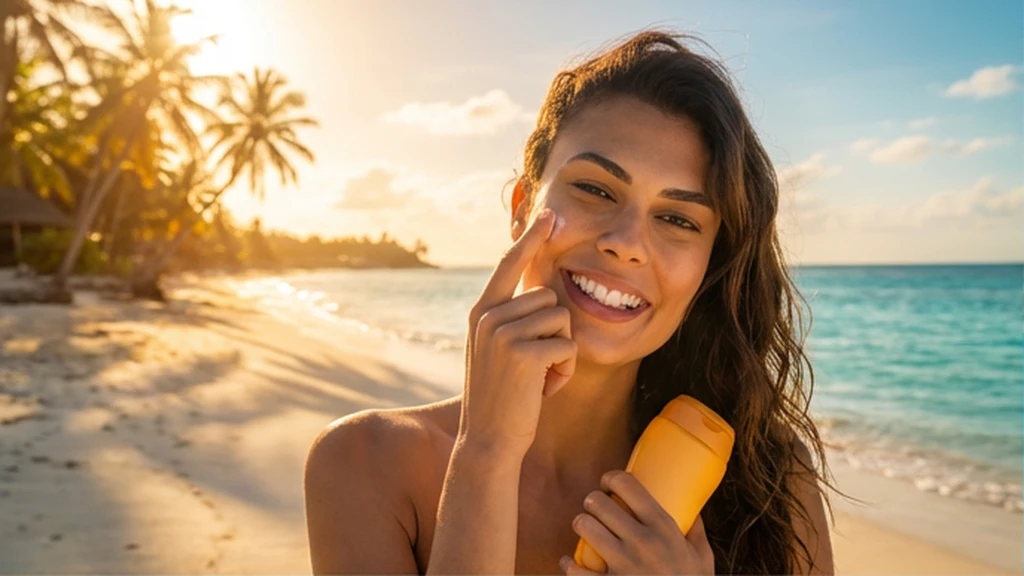
When it comes to sun protection, the beauty world has long been divided between Asian and Western approaches to sunscreen for Asian skin. While Western formulas traditionally focused on heavy-duty protection for outdoor activities, Asian beauty brands revolutionized the game with lightweight, cosmetically elegant formulas that feel like skincare rather than sunblock. This difference isn't just about preference—it reflects distinct skin needs, climate considerations, and beauty philosophies that have shaped how we think about daily sun protection today.
The myth that Asian skin doesn't need sunscreen because of higher melanin levels has been thoroughly debunked by dermatologists worldwide. While it's true that Asian skin contains more melanin than Caucasian skin, this only provides an SPF equivalent of about 2-4—nowhere near enough for adequate protection. In fact, Asian skin faces unique challenges that make proper sun protection for skin even more critical.
Asian skin types are particularly prone to hyperpigmentation and melasma, conditions that can be triggered or worsened by UV exposure. The combination of genetic predisposition and environmental factors like humidity and pollution in many Asian countries creates a perfect storm for skin damage. This is why Asian beauty brands have invested heavily in developing sunscreen for hyperpigmentation prevention, focusing on high UVA protection that Western brands often overlook.
The philosophy behind Asian and Western sunscreen development couldn't be more different. Asian brands prioritize daily wearability and cosmetic elegance, while Western formulas traditionally emphasize durability and water resistance for outdoor activities.
Asian sunscreens are famous for their lightweight, fast-absorbing textures that layer beautifully under makeup. These formulas often feel more like a moisturizer or primer than traditional sunscreen. Western formulas, on the other hand, tend to be thicker and more occlusive, designed to stay put during swimming or sweating.
Asian sunscreens often feature innovative UV filters like Tinosorb S and Uvinul A Plus, which provide excellent broad spectrum sunscreen protection while maintaining that coveted lightweight feel. Western formulas typically rely more heavily on mineral sunscreen ingredients like zinc oxide and titanium dioxide, which can feel heavier but offer reliable protection.
Asian sunscreens use the PA++++ rating system to indicate UVA protection levels, while Western products often focus solely on SPF ratings. This difference reflects Asian beauty's emphasis on preventing aging and pigmentation, not just sunburn.
Finding the right sunscreen depends on your specific skin type and concerns. Asian beauty brands have developed specialized formulas to address common skin issues while providing superior sun protection.
Those with sensitive skin should look for gentle mineral sunscreen formulas that use zinc oxide or titanium dioxide as primary active ingredients. These physical blockers sit on top of the skin rather than absorbing into it, reducing the risk of irritation. Look for fragrance-free options with soothing ingredients like centella asiatica or green tea extract.
If you struggle with oily or acne-prone skin, seek out oil-free, non-comedogenic formulas that won't clog pores. Many Asian brands create mattifying sunscreens that actually help control shine throughout the day. Ingredients like niacinamide and salicylic acid can provide additional acne-fighting benefits while protecting from UV damage.
For daily wear, look for lightweight formulas that play well with makeup. Tinted sunscreen options can provide light coverage while protecting your skin, though it's important to find shades that match Asian skin tones properly. Many Asian brands now offer multiple tint options to accommodate different undertones.
Even the best sunscreen for Asian skin won't work if it's not applied correctly. The most common mistake is using too little product—you need about a quarter teaspoon for your face and neck to achieve the stated SPF protection.
Reapplication is crucial, especially in humid Asian climates where sunscreen can break down faster. If you wear makeup, consider using a powder sunscreen or setting spray with SPF for touch-ups throughout the day. Remember that no sunscreen is completely waterproof, so reapply after sweating or getting wet.
Asian sunscreens prioritize lightweight textures and cosmetic elegance for daily wear, while Western formulas focus more on water resistance and durability for outdoor activities. Asian brands also use advanced UV filters and the PA++++ rating system for UVA protection.
Absolutely. While Asian skin has more natural melanin, it only provides SPF 2-4 protection. Asian skin is actually more prone to hyperpigmentation and melasma, making daily sunscreen use essential for preventing dark spots and premature aging.
Mineral sunscreens with zinc oxide or titanium dioxide are generally gentler for sensitive skin since they sit on top of the skin rather than absorbing into it. However, many modern chemical sunscreens are also formulated to be gentle and may offer better cosmetic elegance.
Yes, but it's important to find the right shade match. Many Asian beauty brands now offer tinted sunscreens in multiple shades designed specifically for Asian skin tones and undertones.
The choice between Asian and Western sunscreen formulas ultimately comes down to your lifestyle, skin type, and personal preferences. Asian formulas excel in daily wearability and cosmetic elegance, making them perfect for consistent use under makeup or as part of your skincare routine. Western formulas might be better for intense outdoor activities or water sports.
Remember that the best sunscreen is the one you'll actually use every day. Whether you choose an Asian or Western formula, consistency is key to protecting your skin from UV damage, preventing hyperpigmentation, and maintaining healthy, radiant skin for years to come.
