


Sunscreen Application Tips: A Step-by-Step Tutorial
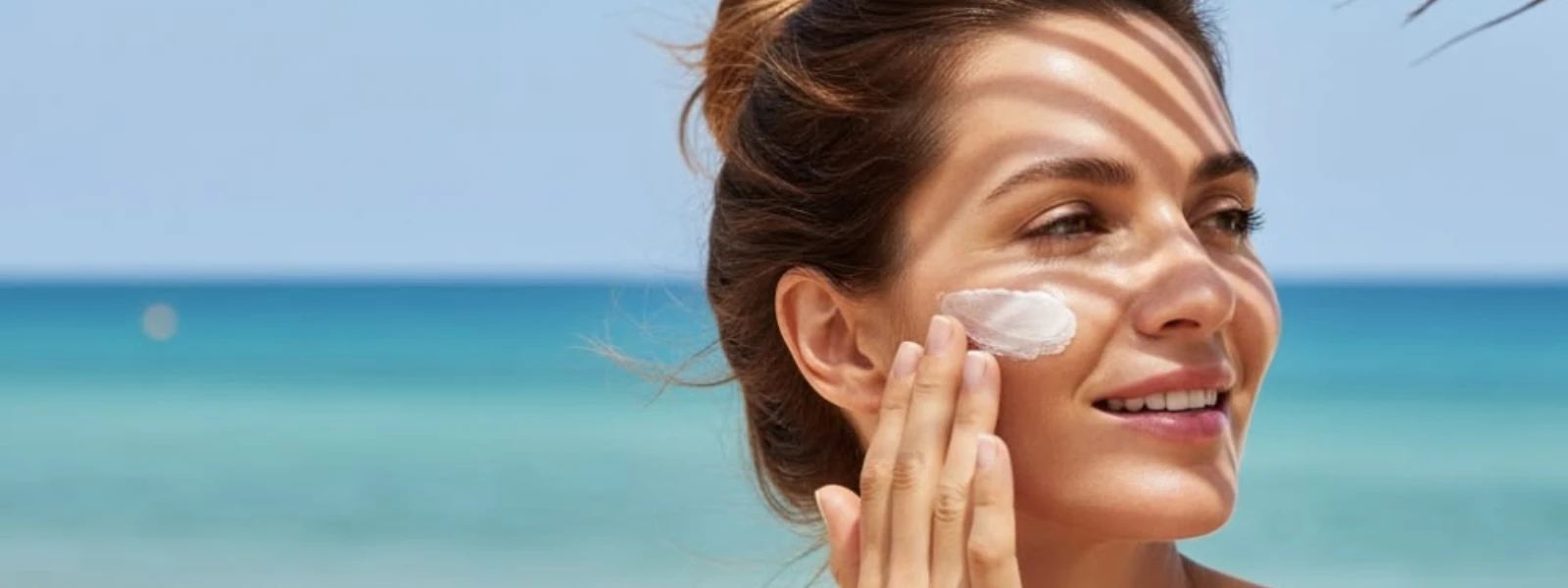
Getting your sunscreen application right can make the difference between healthy, protected skin and painful sunburns or long-term damage. Many people think they're applying sunscreen correctly, but studies show that most of us use only 25-50% of the recommended amount. This means we're getting far less protection than the SPF number on the bottle promises. Whether you're heading to the beach or just stepping out for daily errands, knowing how to apply sunscreen properly is one of the most important skills for maintaining healthy skin. Let's walk through the complete process step by step, so you can feel confident that you're getting maximum protection every single day.
The best way to apply sunscreen starts with understanding that it's not just about slapping some cream on your skin. Proper application involves using the right amount, applying it evenly, and timing it correctly. Most dermatologists agree that you need about 1 ounce (2 tablespoons) of sunscreen to cover your entire body adequately.
Common mistakes include using too little product, missing key areas like ears and feet, and applying sunscreen too close to sun exposure time. These errors can leave you vulnerable to UV damage even when you think you're protected.
Sunscreen works by creating a protective barrier on your skin's surface. When applied too thinly, this barrier becomes patchy and ineffective. The SPF rating assumes you're using 2 milligrams per square centimeter of skin, which is more than most people typically apply.
Different skin types benefit from different sunscreen formulations. Cream-based sunscreens work well for dry skin, while gel formulas suit oily skin types. Always choose broad-spectrum protection with at least SPF 30 for daily use.
Face sunscreen application requires special attention because facial skin is more delicate and often exposed to makeup and other skincare products. The key is using enough product while ensuring it layers well with your other skincare items.
Start with clean, moisturized skin. If you use a separate moisturizer, wait about 5 minutes before applying sunscreen to let it absorb properly.
Squeeze sunscreen along the length of your index and middle fingers from base to tip. This gives you roughly 1/4 teaspoon, which is the minimum amount needed for your face and neck. Don't be afraid to use a bit more if you have a larger face or longer neck.
Place five dots of sunscreen on your face: forehead, both cheeks, nose, and chin. This ensures even distribution before you start blending. Gently pat and spread the sunscreen using upward motions, working from the center of your face outward.
Your ears, hairline, eyelids, and the area under your eyes often get missed. These spots are particularly vulnerable to sun damage. Use gentle patting motions around the delicate eye area, and make sure to cover the tops and backs of your ears completely.
Body sunscreen application requires a systematic approach to ensure you don't miss any spots. The general rule is to use about 6-8 teaspoons of sunscreen for your entire body, but this can vary based on your size.
Work in sections, starting from your shoulders and moving downward. This prevents you from accidentally wiping off sunscreen you've already applied to other areas.
Apply sunscreen to your arms first, using circular motions to ensure even coverage. Don't forget your hands, including between your fingers and under your nails. For your torso, apply sunscreen in long strokes, then blend with circular motions.
Your back is the trickiest area to cover alone. Use a spray sunscreen or ask someone to help you apply lotion. For your feet, don't forget the tops, ankles, and between your toes. These areas burn easily and are often overlooked.
If you have tattoos, they need extra protection as UV rays can cause fading and damage. Scars and moles also require careful coverage. Use gentle patting motions on sensitive or healing skin areas.
Proper sunscreen application timing is crucial for maximum effectiveness. Sunscreen needs time to bind to your skin and create a protective barrier. Most chemical sunscreens require 15-30 minutes to become fully effective.
In your morning skincare routine, sunscreen should be the last step before makeup. The correct order is cleanser, toner, serums, moisturizer, then sunscreen.
Wait about 5 minutes between each skincare step to allow proper absorption. If you're using active ingredients like vitamin C or retinol products, make sure they're fully absorbed before applying sunscreen to prevent pilling or reduced effectiveness.
Let your sunscreen set for at least 10 minutes before applying makeup. Use gentle patting motions when applying foundation to avoid disturbing the sunscreen layer underneath. Consider using makeup with additional SPF for extra protection.
Even the best initial application won't last all day. Sun protection tips always emphasize the importance of reapplication every two hours, or immediately after swimming, sweating, or toweling off.
For reapplication over makeup, powder sunscreens or setting sprays with SPF work well. You can also use a makeup sponge to gently press liquid sunscreen over your makeup without disturbing it too much.
If you're swimming or exercising, reapply sunscreen immediately after these activities, even if it hasn't been two hours. Water and sweat can wash away or dilute your protection, leaving you vulnerable to burns.
Keep travel-size sunscreen in your bag for easy reapplication. Spray formulas work well for quick touch-ups, but remember to rub them in for even coverage. Don't rely solely on spray application for your initial morning routine.
Understanding sunscreen tips means knowing what not to do as much as what to do. The most common mistake is using too little product. Most people apply only half the recommended amount, which can reduce protection by up to 50%.
Another frequent error is uneven application, which creates patchy protection. Take your time to blend thoroughly, especially around the hairline, ears, and jawline where coverage often becomes thin.
Using expired sunscreen significantly reduces its effectiveness. Check expiration dates regularly and replace products that have been stored in hot cars or direct sunlight. Most sunscreens last about three years from manufacture date if stored properly.
Pay special attention to commonly missed spots like the back of your neck, tops of your feet, and the area where sunglasses sit. These areas often show the first signs of sun damage because they're frequently under-protected.
Use about 1/4 teaspoon of sunscreen for your face and neck. This equals roughly the amount you can squeeze along two fingers from base to tip. Don't be afraid to use slightly more if you have a larger face or longer neck area.
Apply sunscreen after moisturizer in your skincare routine. Wait about 5 minutes between applications to allow your moisturizer to absorb properly. This prevents pilling and ensures both products work effectively.
While some people mix these products, it can dilute the sunscreen's effectiveness. It's better to use separate products or choose a moisturizer that already contains broad-spectrum SPF 30 or higher.
Reapply sunscreen every two hours, or immediately after swimming, sweating heavily, or toweling off. Even water-resistant formulas need reapplication after water exposure or excessive sweating.
SPF 30 blocks about 97% of UVB rays and is sufficient for daily use. However, if you'll be outdoors for extended periods or have fair skin, consider SPF 50 or higher for additional protection.
Yes, but it's tricky to get even coverage. Use powder sunscreens or setting sprays with SPF for touch-ups over makeup. For best protection, apply liquid sunscreen before makeup as your base layer.
Mastering proper sunscreen application tips is essential for maintaining healthy, protected skin throughout your life. Remember that adequate coverage requires more product than most people think comfortable using. The two-finger rule for your face and about 6-8 teaspoons for your whole body ensures you're getting the protection promised on the label.
Make sunscreen application a daily habit, just like brushing your teeth. Your skin will thank you years from now when you're enjoying a healthy, youthful complexion while others deal with sun damage, premature aging, and potential skin health issues. Take the time to apply it properly, reapply throughout the day, and never skip this crucial step in your skincare routine.
