


SPF vs. Other Sun Protection: A Beginner's Comparison
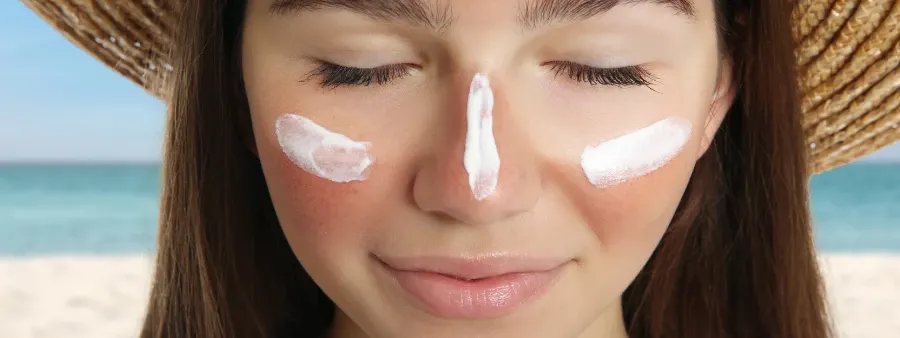
Understanding sun protection can feel overwhelming when you're starting your skincare journey. With countless products claiming different SPF levels and protection benefits, it's easy to get confused about what actually works. The truth is, SPF explained for beginners doesn't have to be complicated. Whether you're dealing with pigmentation concerns, acne-prone skin, or simply want to prevent premature aging, knowing how sun protection factor works will help you make smarter choices for your skin's health and appearance.
SPF meaning stands for Sun Protection Factor, and it measures how well a sunscreen protects your skin from UVB rays. These are the rays that cause sunburn and contribute to skin cancer. When you see what is SPF on a bottle, you're looking at a number that tells you how much longer you can stay in the sun compared to wearing no protection at all.
Here's where many people get confused: sun protection factor doesn't work like a timer. If your skin normally burns after 10 minutes in the sun, SPF 30 doesn't mean you can stay out for 300 minutes. Real-world factors like sweating, swimming, and how much product you apply all affect protection time.
SPF only measures protection against UVB rays, but your skin also needs protection from UVA rays. UVA rays penetrate deeper into your skin and cause aging, wrinkles, and dark spots. This is why broad spectrum SPF is so important for anyone concerned about pigmentation or premature aging.
Understanding how does SPF work helps you use sunscreen more effectively. SPF creates a protective barrier on your skin that either absorbs or reflects UV radiation before it can damage your skin cells. The higher the SPF number, the more protection you get, but the relationship isn't linear.
The SPF benefits become clear when you look at the math. SPF 15 blocks about 93% of UVB rays, while SPF 30 blocks 97%. This might seem like a small difference, but that extra 4% protection can make a huge difference for sensitive skin or those using active ingredients like retinoids or acids.
Most people apply only 25% of the recommended amount of sunscreen. This dramatically reduces protection. You need about 1/4 teaspoon for your face alone to get the SPF listed on the bottle.
Water, sweat, and friction from clothing can remove sunscreen. Even "waterproof" formulas need reapplication every two hours for continued protection.
Different SPF levels offer varying degrees of protection, but the differences become smaller as numbers get higher. Understanding these differences helps you choose the right protection for your lifestyle and skin concerns.
Here's how SPF levels break down in terms of actual protection:
SPF 15: Blocks 93% of UVB rays
SPF 30: Blocks 97% of UVB rays
SPF 50: Blocks 98% of UVB rays
SPF 70+: Blocks 98.5%+ of UVB rays
The jump from SPF 30 to SPF 50 gives you only 1% more protection, but it can be worth it for people with very fair skin or those using photosensitizing skincare ingredients. SPF 100+ offers minimal additional benefit over SPF 50.
Broad spectrum SPF protects against both UVA and UVB rays, while regular SPF only measures UVB protection. This distinction matters enormously for preventing dark spots, melasma, and premature aging.
When shopping for sunscreen, look for products labeled "broad spectrum" along with the SPF number. This ensures you're getting comprehensive protection against both types of harmful UV radiation.
Some sunscreens use PA ratings (PA+, PA++, PA+++) to indicate UVA protection levels. More plus signs mean better UVA protection, which is crucial for preventing pigmentation issues.
While sunscreen is essential, combining it with other sun safety tips creates the most effective protection strategy. No single method provides complete protection on its own.
This comprehensive sunscreen guide approach includes multiple layers of defense against UV damage.
Clothing with UPF ratings: Provides consistent protection without reapplication
Wide-brimmed hats: Protect face, neck, and ears effectively
UV-blocking sunglasses: Prevent eye damage and reduce squinting lines
Chemical sunscreens absorb UV rays, while physical (mineral) sunscreens reflect them. Physical sunscreens work immediately upon application and are less likely to cause skin irritation.
Avoiding peak UV hours (10 AM to 4 PM) significantly reduces your exposure risk. Even with sunscreen, seeking shade during these hours provides additional protection.
Your ideal SPF depends on several factors including skin type, activities, and any skincare treatments you're using. This personalized approach to sunscreen guide selection ensures optimal protection.
Consider these factors when selecting your daily sun protection:
Fair skin: SPF 30-50 minimum, reapply frequently
Medium skin: SPF 30 for daily use, SPF 50 for extended outdoor time
Dark skin: SPF 30 minimum, focus on broad spectrum protection
Daily office work requires different protection than beach days or hiking. Water-resistant formulas work better for swimming or sweating, while lightweight daily formulas suit indoor activities.
Even with the best intentions, many people make mistakes that reduce their sun protection. Understanding these common errors helps you get the most from your sunscreen investment.
The most frequent mistake is under-application. Most people use far less sunscreen than needed for the labeled SPF protection.
Face: 1/4 teaspoon (about a nickel-sized amount)
Body: 1 ounce (about a shot glass full)
Reapplication: Every 2 hours, regardless of SPF level
Don't forget your ears, feet, lips, and the back of your neck. These areas burn easily and are often overlooked during application.
No, SPF 50 doesn't guarantee 500 minutes of protection. The actual time depends on your skin type, UV intensity, proper application amount, and environmental factors like water and sweat.
SPF 70 is stronger than SPF 50, blocking 98.5% versus 98% of UVB rays respectively. However, the difference is minimal and both provide excellent protection when applied properly.
SPF 30 blocks 97% of UVB rays and provides excellent daily protection for most people. It's the minimum recommended by dermatologists for everyday wear.
SPF 30-50 with mineral ingredients (zinc oxide or titanium dioxide) works best for sensitive skin. These physical sunscreens are less likely to cause irritation than chemical formulas.
Reapply sunscreen every 2 hours, or immediately after swimming, sweating heavily, or toweling off. This applies regardless of the SPF level you're using.
Understanding SPF explained for beginners empowers you to make informed decisions about sun protection. Remember that SPF measures UVB protection only, so choose broad spectrum formulas for complete coverage. SPF 30-50 provides excellent protection for most people when applied generously and reapplied regularly.
Combine sunscreen with other protective measures like seeking shade and wearing protective clothing for the best results. Whether you're managing pigmentation concerns or simply want healthy skin, consistent daily sun protection is one of the most important steps in any skincare routine.
