

SPF for Aging Skin vs. Regular Sunscreen: What's the Difference?
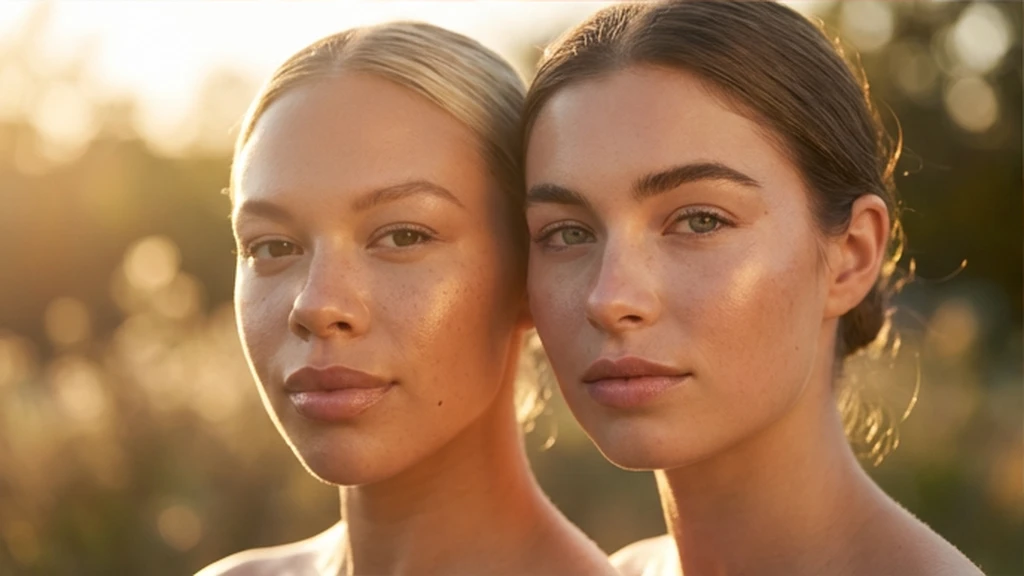
As we age, our skin's needs evolve dramatically, and this includes how we approach sun protection. While any sunscreen is better than none, SPF for aging skin offers specialized benefits that regular sunscreen simply can't match. The difference lies not just in protection levels, but in the carefully selected ingredients that address mature skin's unique vulnerabilities. Understanding these distinctions can help you make informed choices that protect your skin while supporting its natural renewal processes.
Mature skin faces challenges that younger skin doesn't encounter, making specialized sunscreen for mature skin essential rather than optional. The aging process fundamentally changes how our skin responds to environmental stressors, particularly UV radiation.
Several key changes occur as skin ages, each affecting how it handles sun exposure:
Decreased collagen production leads to thinner, more fragile skin
Reduced natural oil production compromises the skin's protective barrier
Slower cell turnover means damage takes longer to repair
Increased vulnerability to UV damage and environmental stressors
Understanding how UV rays affect aging skin reveals why specialized protection matters. UVA rays penetrate deeper into the skin, breaking down collagen and elastin fibers that keep skin firm and smooth. UVB rays primarily cause surface damage and burning, but both contribute to photoaging - the premature aging caused by sun exposure. This process accelerates the formation of fine lines, wrinkles, and age spots that characterize mature skin.
The most significant distinction between anti-aging sunscreen and regular formulas lies in their multifunctional approach. While standard sunscreens focus solely on UV protection, anti-aging versions combine sun defense with skin-supporting ingredients.
Premium formulations designed for aging skin include powerful additions:
Antioxidants like vitamin C and niacinamide neutralize free radicals
Peptides stimulate collagen production while providing protection
Hyaluronic acid delivers deep hydration to plump fine lines
Zinc oxide and titanium dioxide offer gentle, broad-spectrum mineral protection
Aging skin often struggles with dryness, making moisture retention crucial. Daily sunscreen for face formulations designed for mature skin incorporate ceramides, glycerin, and squalane to support the skin barrier while protecting against UV damage. These ingredients work together to prevent the tight, dry feeling that regular sunscreens can sometimes cause on aging skin.
The texture of anti-aging sunscreens is carefully crafted for mature skin needs. These formulas typically offer primer-like benefits, creating a smooth base for makeup while minimizing the appearance of fine lines. They blend more easily and leave less white residue than traditional formulas, addressing common concerns about sunscreen application on aging skin.
Choosing the right level of protection involves balancing effectiveness with daily wearability. The best SPF for wrinkles prevention isn't necessarily the highest number available.
SPF 30 to 50 represents the sweet spot for daily protection on aging skin. SPF 30 blocks approximately 97% of UVB rays, while SPF 50 blocks about 98%. Higher SPF levels offer diminishing returns and often come with heavier, less comfortable formulations that may discourage consistent use.
Broad spectrum sunscreen protection is non-negotiable for aging skin. This designation means the product protects against both UVA and UVB rays. UVA protection is particularly crucial for preventing the deep skin damage that leads to wrinkles and age spots, while UVB protection prevents surface burning and DNA damage.
Mineral sunscreen aging benefits include immediate protection upon application and gentleness on sensitive mature skin. Zinc oxide and titanium dioxide create a physical barrier that reflects UV rays. Chemical sunscreens absorb UV radiation and convert it to heat, offering lighter textures but requiring 15-20 minutes to become effective.
The most effective sunscreen ingredients for aging skin go beyond basic UV filters to address multiple skin concerns simultaneously. These multitasking formulations maximize the benefit of your daily sun protection routine.
The foundation of any good anti-aging sunscreen includes proven UV filters:
Zinc oxide provides broad-spectrum mineral protection
Titanium dioxide offers gentle coverage for sensitive skin
Avobenzone and octinoxate serve as effective chemical alternatives
Premium formulations incorporate skin-improving ingredients that work while you're protected from the sun. Vitamin C brightens and evens skin tone, while peptides support collagen production. These additions transform your sunscreen from simple protection into an active anti-aging treatment.
Certain ingredients can be problematic for aging skin. Alcohol-based formulas may increase dryness, while heavy fragrances can cause sensitivity. Comedogenic ingredients that clog pores should also be avoided, especially if you're dealing with adult acne alongside aging concerns.
Effective sun damage prevention requires consistent application and proper technique. Even the best anti-aging sunscreen won't work if it's not applied correctly or frequently enough.
Use approximately one-quarter teaspoon of sunscreen for your face and neck. Apply it as the final step in your morning skincare routine, allowing each previous product to absorb before adding the next layer. Reapply every two hours when outdoors, or after swimming or sweating.
Your SPF and fine lines prevention strategy should work seamlessly with your existing skincare routine. Apply serums first, followed by moisturizer if needed, then sunscreen. Evening routines can focus on repair and renewal with ingredients like retinoids, while morning protection sets the stage for healthy aging.
SPF for aging skin contains additional ingredients like antioxidants, peptides, and moisturizers that address mature skin's specific needs while providing sun protection. These formulas are designed to be more hydrating and often include anti-aging benefits that regular sunscreens don't offer.
Yes, consistent sunscreen use is one of the most effective ways to prevent premature aging and wrinkles. UV exposure breaks down collagen and elastin, so protecting your skin daily helps maintain its structure and prevents photoaging.
Both SPF 30 and 50 offer excellent protection for aging skin. SPF 30 blocks 97% of UVB rays, while SPF 50 blocks 98%. Choose based on your lifestyle - SPF 50 for extended outdoor time, SPF 30 for daily indoor activities with some sun exposure.
Mineral sunscreens are often gentler on sensitive mature skin and provide immediate protection. However, chemical sunscreens offer lighter textures that many find more comfortable for daily wear. The best choice depends on your skin's sensitivity and personal preferences.
Choosing the right sun protection for aging skin involves more than just picking any SPF product. The specialized formulations designed for mature skin offer enhanced benefits that support your skin's changing needs while providing essential UV protection. By understanding these differences and selecting products with appropriate ingredients, you can maintain healthier, more youthful-looking skin for years to come. Remember that consistency in application matters more than having the perfect product, so choose a formula you'll enjoy using every single day.
