


SPF 15 vs 30 FAQ: Your Sun Protection Questions Answered
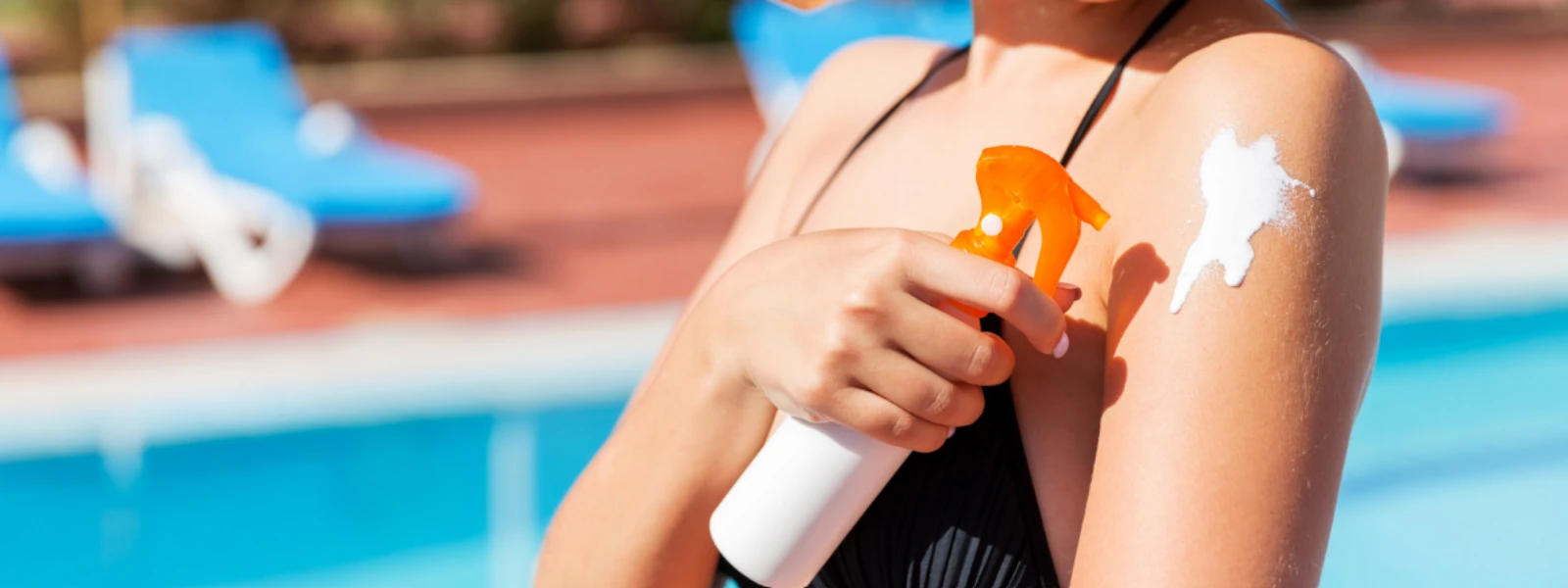
Choosing the right SPF 15 vs 30 can feel overwhelming when you're standing in the skincare aisle. You want protection that works, but you also don't want to waste money on something stronger than you need. The truth is, that 15-point difference between these two popular sunscreen SPF levels creates a bigger gap in protection than most people realize. Understanding what those numbers actually mean for your skin can help you make the smartest choice for your daily routine and lifestyle.
Sun Protection Factor measures how well a sunscreen blocks UVB rays, which are the primary cause of sunburn and skin cancer. The number tells you how much longer you can theoretically stay in the sun before burning compared to unprotected skin. However, this doesn't mean SPF 30 lets you stay out twice as long as SPF 15.
SPF testing happens in controlled laboratory conditions using specific amounts of product. Most people apply much less sunscreen than the testing standard, which means real-world protection is often lower than the label suggests. The key difference lies in the percentage of UVB rays each level blocks, not the time extension.
The SPF difference between these two levels is more significant than the numbers suggest. SPF 15 blocks approximately 93% of UVB rays, while SPF 30 blocks about 97%. That might seem like a small gap, but it means SPF 15 allows 7% of harmful rays through, while SPF 30 only allows 3% through.
This sunscreen comparison shows that SPF 30 actually provides twice the protection of SPF 15. When you flip the numbers, SPF 15 lets through more than double the UV radiation that SPF 30 does. For daily wear and sunburn protection, this difference can be the deciding factor between healthy skin and damage.
That extra 4% protection translates to significantly less DNA damage over time. Your skin cells experience less stress, which means fewer signs of aging and lower cancer risk. The mathematical reality is that sunscreen strength doesn't increase linearly with SPF numbers.
Your lifestyle and daily activities should guide your SPF choice. SPF 15 works for very limited situations, while SPF 30 offers more versatile protection for modern life. Consider your typical day and sun exposure patterns when making this decision.
SPF 15 might suffice for brief indoor-to-car transitions or office environments with minimal natural light. Overcast days with low UV index readings could also work with SPF 15, but only if you're not spending extended time outdoors.
Most dermatologists recommend SPF 30 as the minimum for daily sunscreen use. This includes commuting, outdoor lunch breaks, weekend activities, and any time you'll be near windows. Summer months, high-altitude locations, and reflective surfaces like water or snow all call for SPF 30 or higher.
Your skin type plays a crucial role in determining which SPF level provides adequate protection. Fair and sensitive skin types need higher protection levels, while all skin tones benefit from consistent sun protection to prevent premature aging and maintain even skin tone.
Light skin tones burn quickly and should never rely on SPF 15 for anything beyond the briefest exposure. SPF 30 provides the baseline protection needed to prevent immediate damage and long-term consequences.
Oily skin types often prefer lighter formulations, but protection level shouldn't be compromised for texture. Many SPF 30 products now offer lightweight, non-comedogenic formulas that work well under makeup and don't clog pores.
Broad spectrum sunscreen protection covers both UVA and UVB rays, which is essential regardless of whether you choose SPF 15 or 30. UVA rays penetrate deeper into skin and cause aging, while UVB rays cause burning. Both contribute to skin cancer risk.
Application amount significantly impacts protection levels. Most people apply only 25-50% of the recommended amount, which dramatically reduces effectiveness. Proper application requires about 1/4 teaspoon for face and neck, and reapplication every two hours maintains protection throughout the day.
SPF 30 is recommended for daily use as it blocks 97% of UVB rays compared to SPF 15's 93%, providing significantly better protection for routine activities and unexpected sun exposure.
While darker skin has natural protection, SPF 30 is still recommended as melanin doesn't provide complete UV protection. All skin types can develop skin cancer and benefit from preventing hyperpigmentation and premature aging.
SPF 15 provides minimal facial protection. SPF 30 or higher is recommended for facial skin, which is more delicate and frequently exposed to UV radiation throughout the day.
Yes, SPF 15 is insufficient for extended outdoor exposure. It's best reserved for brief, incidental sun exposure when combined with protective clothing and shade.
SPF doesn't determine duration - both require reapplication every 2 hours. The difference is in protection quality, not time extension. Higher SPF provides better protection during the same time period.
SPF 30 provides better protection against UV damage while still allowing some tanning. However, any tan indicates DNA damage, so higher SPF is always safer for long-term skin health.
The choice between SPF 15 vs 30 comes down to protection level and lifestyle needs. SPF 30 offers significantly better protection by blocking 97% of UVB rays compared to SPF 15's 93%, making it the smarter choice for daily use. While SPF 15 might work for very limited indoor situations, SPF 30 provides the baseline protection most dermatologists recommend for maintaining healthy, protected skin. Remember that proper application and regular reapplication matter just as much as the SPF number on the bottle.
