

Portable Sunscreen Checklist: Travel Protection Guide
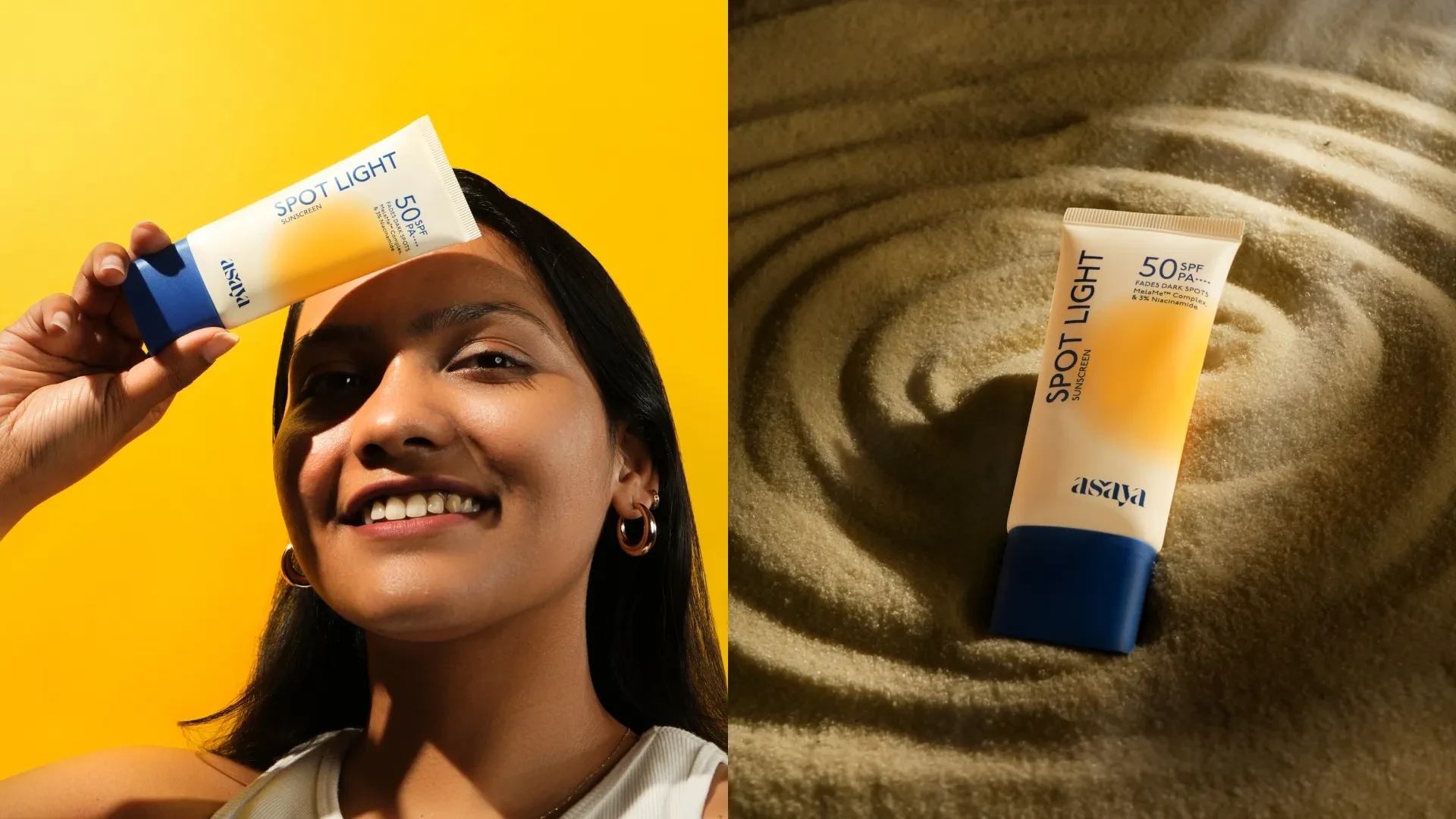
Planning your next adventure? Sun protection shouldn't be an afterthought when you're exploring new destinations. Whether you're hiking mountain trails or lounging on tropical beaches, your skin needs reliable protection that travels as easily as you do. The key lies in understanding what portable sunscreen options work best for your lifestyle and travel plans. From compact sticks that slip into your pocket to travel-sized tubes that meet airline regulations, the right sun protection can make or break your outdoor experiences. Let's dive into everything you need to know about choosing and using portable sunscreen for your travels.
Portable sunscreen refers to sun protection products specifically designed for convenience and mobility. These products prioritize easy application, compact packaging, and travel-friendly sizes without compromising on protection quality.
Portable sunscreen stands out through several key characteristics. Size matters most - these products typically come in containers under 3.4 ounces to meet TSA carry-on requirements. The packaging focuses on durability and leak-proof design to withstand the rigors of travel. Many feature innovative applicators like roll-on tips or twist-up sticks that eliminate the need for rubbing with your hands.
The main difference lies in convenience and application method. Travel sunscreen products often use solid or semi-solid formulations that won't spill in your bag. They're designed for quick, mess-free application without requiring mirrors or extensive rubbing. Regular sunscreens typically offer larger quantities at better value but lack the portability features essential for active travelers.
A sunscreen stick provides the ultimate in precision application. You can target specific areas like your nose, ears, or lips without getting product on your hands. Sunscreen compact options work perfectly for face application, often doubling as makeup primers. Mini sunscreen bottles offer traditional cream or lotion formulas in travel-friendly sizes. Pocket sunscreen products include roll-on applicators and solid balms that fit easily in small spaces.
Understanding how portable sunscreen works helps you make better choices for your specific needs. The protection mechanism remains the same regardless of packaging size, but application methods can affect coverage quality.
Mineral sunscreens use zinc oxide or titanium dioxide to create a physical barrier on your skin. These ingredients work immediately upon application and tend to be gentler on sensitive skin. Chemical sunscreens absorb UV rays through ingredients like avobenzone or octinoxate. They typically feel lighter on skin but require 15-20 minutes to become effective after application.
SPF ratings measure protection against UVB rays, which cause sunburn. SPF 30 blocks about 97% of UVB rays, while SPF 50 blocks 98%. Higher numbers don't provide dramatically more protection but can offer peace of mind for extended outdoor activities. Look for "broad spectrum" labels to ensure protection against both UVA and UVB rays.
Navigating airport security with sunscreen requires understanding current regulations. These rules exist for safety but can complicate your packing strategy if you're not prepared.
Liquid sunscreens must follow the 3-1-1 rule: containers no larger than 3.4 ounces, all fitting in one quart-sized bag, one bag per passenger. Sunblock travel size products specifically designed for carry-on compliance make this easier. Solid sunscreen sticks don't count as liquids, giving you more flexibility in your carry-on packing.
Different countries may have varying regulations about sunscreen ingredients. Some chemical UV filters approved in Europe aren't permitted in the United States, and vice versa. Research your destination's climate and UV index to determine if you need higher protection levels than usual.
A comprehensive approach to travel sun protection involves more than just grabbing any small sunscreen bottle. Your checklist should account for different scenarios and backup plans.
• Check expiration dates on all sun protection products • Verify TSA compliance for carry-on items • Test new products on a small skin area before traveling • Calculate how much product you'll need for your trip duration • Research UV index and climate conditions at your destination • Consider altitude changes that increase UV exposure
• Pack both primary and backup sunscreen to go options • Include different SPF levels for varying activity intensities • Separate face-specific and body sunscreen products • Add after-sun care items like aloe or moisturizer • Distribute products between carry-on and checked luggage • Use leak-proof bags for liquid formulations
Easy sunscreen application doesn't mean cutting corners on coverage. Proper technique ensures you get the protection level advertised on the product label.
Most people apply only 25-50% of the recommended amount of sunscreen. For adequate protection, you need about one teaspoon for your face and neck, and one ounce (two tablespoons) for your entire body. Apply sunscreen 15-30 minutes before sun exposure to allow proper absorption. Don't forget often-missed areas like ears, feet, and the back of your neck.
Reapply every two hours, or immediately after swimming, sweating heavily, or toweling off. Sunscreen application over makeup requires gentle patting motions rather than rubbing. Consider powder sunscreens for touch-ups over makeup, or use a makeup setting spray with SPF.
Your ideal portable sunscreen depends on your skin type, planned activities, and personal preferences. No single product works perfectly for everyone in every situation.
Oily skin benefits from oil-free, mattifying formulations that won't clog pores. Look for products labeled "non-comedogenic" and consider gel-based formulas. Dry skin needs moisturizing ingredients like hyaluronic acid or ceramides. Sensitive skin should stick to mineral sunscreens with minimal additional ingredients.
Water activities require water-resistant formulations rated for 40 or 80 minutes. Urban exploration calls for lightweight, cosmetically elegant products that work well under makeup. Hiking and outdoor sports need sweat-resistant options with easy reapplication features.
Sunscreen sticks offer mess-free application, won't spill in your luggage, and provide precise coverage for targeted areas. They're also TSA-friendly since they're considered solid products rather than liquids.
Plan for about 1-2 ounces per day of active sun exposure. A typical 1.5-ounce stick or tube should last 3-4 days with regular reapplication. Pack extra for longer trips or high-intensity outdoor activities.
While many products work for both, facial skin is more sensitive and may benefit from specialized formulations. Face sunscreens often include moisturizing ingredients and are designed to work well under makeup.
Sunscreen effectiveness doesn't depend on package size. All sunscreens typically last 2-3 years from manufacture date. Check expiration dates and replace products that have changed color, consistency, or smell.
Portable sunscreen makes maintaining sun protection during travel both convenient and effective. The key lies in choosing products that match your specific needs, understanding proper application techniques, and planning ahead for different travel scenarios. Whether you prefer the precision of a sunscreen stick, the coverage of a compact cream, or the familiarity of mini bottles, consistent use matters more than the specific format. Remember that the best portable sunscreen is the one you'll actually use regularly throughout your travels. Pack smart, apply generously, and reapply frequently to keep your skin protected while you explore the world.
