


Master Your Daily Sun Protection: A Complete Guide
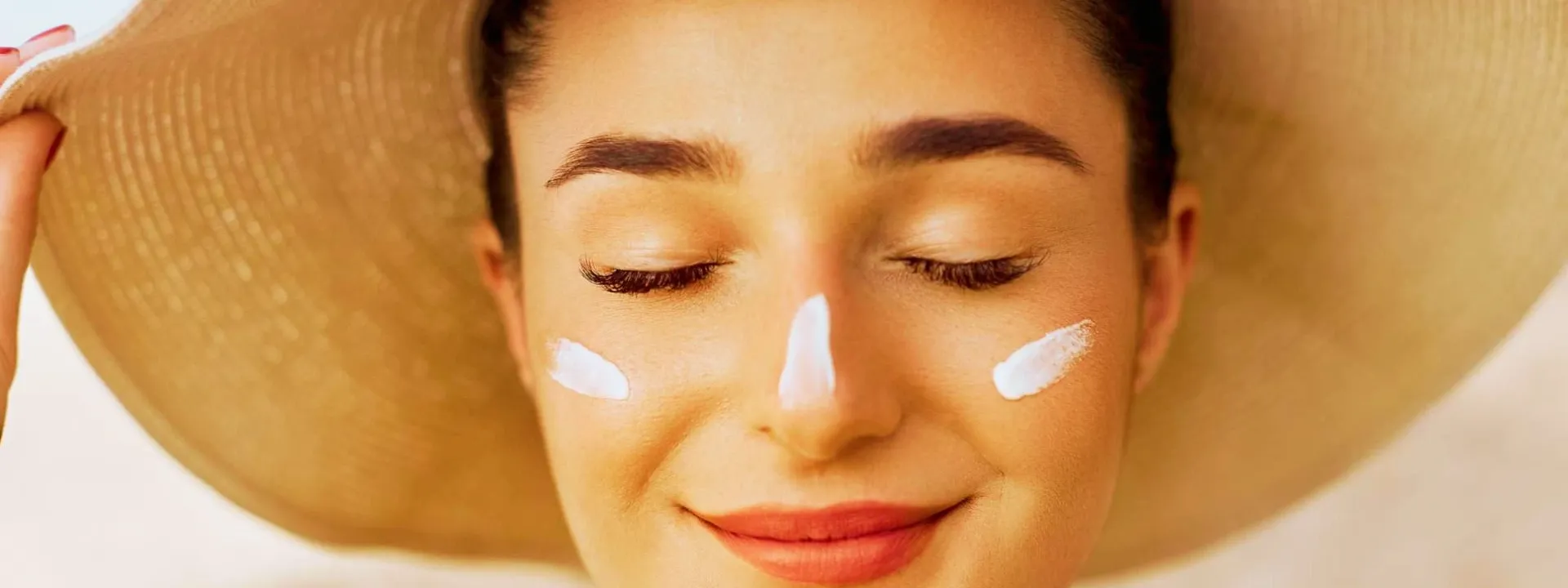
Your skin faces UV exposure every single day, even when you're indoors or when clouds fill the sky. Many people think sun protection is only for beach days or summer months, but that's a dangerous myth. UV rays penetrate through windows and reflect off surfaces like concrete and water. They're present year-round, causing invisible damage that adds up over time. Building a solid daily sun protection routine isn't just about preventing sunburn—it's about protecting your skin's health and appearance for years to come. The good news? Creating an effective routine is simpler than you might think, and the benefits start showing up immediately.
UV radiation comes in two main forms that affect your skin differently. UVA rays penetrate deep into your skin and cause aging, wrinkles, and dark spots. UVB rays affect the surface and cause sunburn and skin cancer. Both types damage your skin's DNA every day, whether you notice it or not. The biggest myth about sun exposure is that you're safe indoors or on cloudy days. Windows block some UVB rays but let most UVA rays through. Clouds only filter about 20% of UV radiation. Even sitting by a window at work or driving in your car exposes you to skin-damaging rays. Skipping daily sunscreen leads to premature aging, dark spots, and increased skin cancer risk. Studies show that people who use sunscreen daily have 24% less skin aging than those who use it occasionally. The damage happens gradually, so you might not see it until years later.
Your skin has natural repair mechanisms, but they can't keep up with daily UV damage. When you protect skin from sun consistently, you give these systems time to heal existing damage. Research shows that regular sunscreen use can actually reverse some signs of aging over time.
Building an effective sun protection routine means integrating protection into your existing skincare habits. The key is making it so automatic that you never skip it. Your morning routine should include cleansing, moisturizing, and sun protection as non-negotiable steps. Start with clean skin, then apply any serums or treatments. Moisturizer comes next, followed by sunscreen as your final step. Wait about 15 minutes before applying makeup to let the sunscreen set properly. This timing ensures maximum protection and prevents your makeup from interfering with coverage. Evening routines should focus on repairing any damage from the day. Use gentle cleansers to remove sunscreen and other products. Consider adding antioxidant serums or retinol products that help repair UV damage while you sleep.
Winter doesn't mean less UV exposure, especially if you're around snow or at higher altitudes. Snow reflects up to 80% of UV rays, doubling your exposure. Adjust your sun care products based on activities and weather, but never skip protection entirely.
Proper sunscreen application makes the difference between real protection and false security. Most people use only 25% of the recommended amount, which dramatically reduces effectiveness. For your face and neck, you need about 1/4 teaspoon of product. That's more than most people think. Apply sunscreen in dots across your face, then blend evenly. Don't forget often-missed spots like your ears, hairline, and the area around your eyes. For your body, use about 1 ounce (2 tablespoons) to cover all exposed skin. Layering sunscreen with other products requires the right order. Sunscreen should go over moisturizer but under makeup. If you're using a moisturizer with SPF, that's your sunscreen layer. Don't rely on makeup with SPF as your only protection—it's usually not enough.
Reapplying sunscreen every two hours sounds impossible when you're wearing makeup or working indoors. The truth is, if you're inside all day with minimal sun exposure, morning application might be enough. But if you're by windows, driving, or going outside, you need to reapply. Powder sunscreens work well over makeup for touch-ups. Spray sunscreens are convenient for your body. The key is having products that make reapplication easy, so you'll actually do it.
SPF numbers tell you how long the product extends your skin's natural protection. If your skin normally burns in 10 minutes, SPF 30 theoretically gives you 300 minutes of protection. But this math only works with perfect application and no sweating or rubbing. For daily use, SPF 30 blocks about 97% of UVB rays, while SPF 50 blocks 98%. The difference is small, but SPF 50 gives you more forgiveness if you don't apply enough product. Most dermatologists recommend SPF 30 as the minimum for daily use. Broad-spectrum protection is more important than high SPF numbers. This means the product protects against both UVA and UVB rays. Look for this label on any sunscreen you choose for daily use.
Chemical sunscreens absorb UV rays and convert them to heat. They tend to be lighter and easier to blend, making them popular for daily use. Mineral sunscreens create a physical barrier that reflects UV rays. They're gentler for sensitive skin but can leave a white cast. For daily wear, choose based on your skin type and preferences. Both types offer excellent protection when used correctly. The best sunscreens are the ones you'll use consistently.
Sunscreen is just one part of comprehensive sun protection tips. The most effective approach combines multiple strategies for maximum protection. Think of it as layering your defenses against UV damage. Clothing provides excellent protection, especially tightly woven fabrics in dark colors. A white cotton t-shirt only provides about SPF 5, while a dark, tightly woven shirt can provide SPF 50 or higher. UPF-rated clothing takes the guesswork out of protection levels. Seeking shade during peak UV hours (10 AM to 4 PM) dramatically reduces your exposure. Even partial shade helps. Trees provide good protection, while umbrellas and awnings offer variable coverage depending on their material and weave.
Sunglasses aren't just fashion accessories—they protect the delicate skin around your eyes and prevent cataracts. Look for glasses that block 100% of UV rays. Wraparound styles provide the best coverage. Hats with wide brims protect your face, neck, and ears. Baseball caps only protect the top of your head and face, leaving your ears and neck exposed. Choose hats with at least a 4-inch brim for good coverage.
The best daily sun protection routine is one you can stick to long-term. Start by linking sunscreen application to an existing habit, like brushing your teeth. Keep sunscreen visible on your bathroom counter or next to your toothbrush as a visual reminder. Make the process as easy as possible. Choose products you enjoy using and that work well with your lifestyle. If you hate the feel of traditional sunscreen, try a lightweight lotion or powder formula. The goal is consistency, not perfection. Track your routine for the first few weeks to build the habit. Use a simple calendar or phone app to mark days when you remember to apply sunscreen. Seeing your progress helps reinforce the behavior.
Travel and schedule changes can disrupt even the best routines. Pack travel-sized sunscreens and keep backup products in your car, office, or gym bag. Having protection available wherever you are removes barriers to consistent use.
Yes, daily sunscreen use is safe and recommended by dermatologists. Modern formulas are designed for everyday wear and won't clog pores or irritate skin when used as directed. Daily use provides the most effective sun damage prevention.
Both SPF 30 and 50 provide excellent daily protection. SPF 30 blocks 97% of UVB rays, while SPF 50 blocks 98%. For most people, SPF 30 is sufficient for daily use, but SPF 50 offers more protection if you spend time outdoors or have fair skin.
If you're indoors all day with minimal window exposure, morning application is usually enough. However, if you sit near windows, take breaks outside, or drive during the day, reapplication every few hours is recommended.
Daily facial sunscreen prevents premature aging, dark spots, and skin cancer. It also helps maintain an even skin tone and can actually improve existing sun damage over time with consistent use.
Apply sunscreen as the last step in your morning skincare routine, after cleanser, serums, and moisturizer, but before makeup. This ensures proper coverage and prevents other products from interfering with protection.
Building an effective daily sun protection routine doesn't have to be complicated or time-consuming. The most important step is choosing products you'll actually use and making application a non-negotiable part of your morning routine. Remember that consistency matters more than perfection—using SPF 30 every day is far better than using SPF 50 occasionally. Start with basic sunscreen application and gradually add other protection strategies like protective clothing and shade-seeking behaviors. Your skin will thank you for years to come, and you'll see the benefits in both health and appearance as you maintain this simple but powerful daily habit.
