


How UV Affects Skin: Understanding Sun Damage and Aging
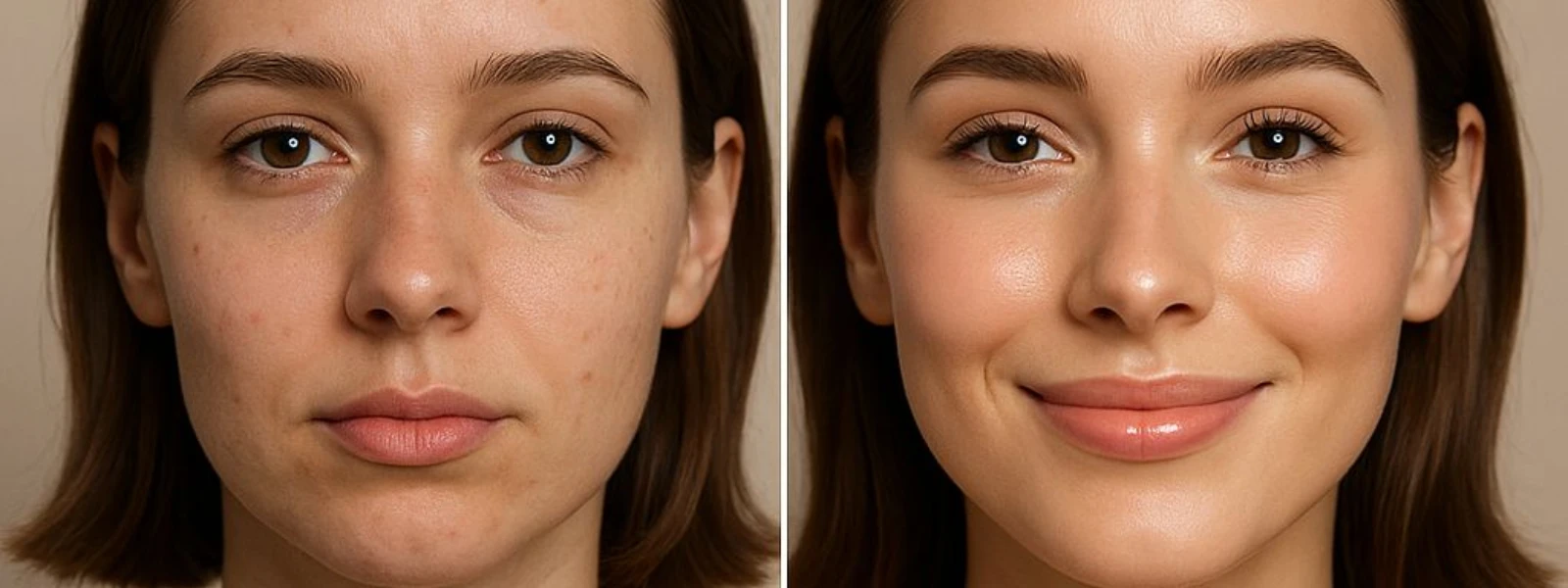
Your skin faces a constant battle against invisible forces from above. Every time you step outside, ultraviolet radiation penetrates through the atmosphere and reaches your skin cells. Understanding how UV affects skin helps you make informed decisions about protection and long-term skin health. The effects range from immediate sunburn to gradual aging and serious health risks that develop over decades of exposure.
Ultraviolet radiation is a type of electromagnetic energy that comes from the sun. It sits between visible light and X-rays on the electromagnetic spectrum. The sun produces three types of UV rays, but only two reach your skin due to atmospheric filtering.
UVA rays make up about 95% of the UV radiation that reaches Earth's surface. These rays penetrate deep into your skin and cause long-term damage. UVB rays are more intense but make up only 5% of UV radiation. They primarily affect your skin's surface and cause sunburn. UVC rays are completely absorbed by the ozone layer and don't reach us.
Several factors affect how much UV exposure you receive. The sun's rays are strongest between 10 AM and 2 PM when the sun is directly overhead. Higher altitudes expose you to more UV radiation because there's less atmosphere to filter the rays. Snow, water, and sand reflect UV rays back at you, increasing your exposure even in shaded areas.
When UV rays hit your skin cells, they cause immediate damage at the molecular level. The radiation breaks chemical bonds in your DNA, creating mutations that your cells struggle to repair. This process happens within minutes of exposure, even before you notice any visible changes.
Your skin responds to UV damage by producing free radicals. These unstable molecules attack healthy cells and create a chain reaction of damage throughout your skin layers. Your body tries to neutralize these free radicals with antioxidants, but prolonged exposure overwhelms your natural defenses.
Some DNA damage gets repaired successfully, but errors accumulate over time. When repair mechanisms fail, damaged cells either die or continue dividing with faulty genetic information. This process leads to visible sun damage and increases your risk of developing skin cancer later in life.
The most obvious immediate effect of UV exposure is sunburn. Your skin turns red, feels hot and painful, and may eventually peel as damaged cells shed away. Understanding sunburn risks helps you recognize when you've received too much UV radiation.
UVB rays primarily cause sunburn by damaging cells in your skin's outer layer. Your immune system responds by sending blood to the affected area, causing redness and swelling. The burning sensation comes from nerve endings reacting to cellular damage and inflammation.
Many people view tanning as healthy, but it's actually your skin's emergency response to UV damage. Your cells produce melanin pigment to absorb UV rays and protect deeper skin layers. Any change in skin color after sun exposure indicates that damage has occurred.
Repeated UV exposure causes cumulative damage that becomes visible as skin aging over time. This process, called photoaging, accounts for up to 80% of visible facial aging. The damage happens gradually, so you might not notice it until years after the initial exposure.
UVA rays penetrate deep into your dermis, where they break down collagen and elastin fibers. These proteins give your skin strength, elasticity, and smoothness. When they're damaged, your skin loses its ability to bounce back and maintain a youthful appearance.
Wrinkles and fine lines appear first in areas with repeated muscle movement and sun exposure. Age spots develop when melanin production becomes uneven after years of UV damage.
Your skin may develop a leathery texture and lose its natural elasticity. These changes become more pronounced with continued sun exposure and age.
The most serious long-term consequence of UV exposure is skin cancer. UV radiation causes genetic mutations that can lead to uncontrolled cell growth. Even small amounts of exposure add up over your lifetime, increasing your cancer risk.
Basal cell carcinoma is the most common type of skin cancer, usually appearing as small, pearly bumps on sun-exposed areas. Squamous cell carcinoma often looks like scaly patches or open sores. Melanoma is the most dangerous form, developing from pigment-producing cells and spreading quickly if not caught early.
The dangers of tanning extend beyond cosmetic concerns. People who use tanning beds before age 30 increase their melanoma risk by 75%. Even outdoor tanning significantly raises your chances of developing all types of skin cancer throughout your life.
Effective sun protection requires a comprehensive approach that combines multiple strategies. The goal is to reduce your UV exposure while still allowing you to enjoy outdoor activities safely.
Sunscreen forms your first line of defense against UV rays. Choose broad-spectrum formulas with SPF 30 or higher that protect against both UVA and UVB radiation. Apply sunscreen 15-30 minutes before going outside and reapply every two hours or after swimming and sweating.
Tightly woven fabrics provide better protection than loose weaves. Dark colors absorb more UV radiation than light colors, offering superior protection for your covered skin.
Avoid outdoor activities during peak UV hours when possible. Seek shade under umbrellas, trees, or covered structures, but remember that UV rays can reflect off surfaces and reach you indirectly.
Yes, UV light causes both immediate and long-term damage to skin cells. Even small amounts of exposure contribute to aging and cancer risk over time.
UV radiation breaks chemical bonds in DNA, creates free radicals, and triggers inflammatory responses. This damage accumulates over time, leading to visible aging and increased cancer risk.
Some sun damage can be improved with proper skincare and professional treatments, but prevention is always more effective than trying to reverse existing damage.
Clouds provide some protection but allow 80% of UV rays to pass through. You can still get sunburned on cloudy days, especially during peak hours.
Understanding how UV affects skin empowers you to make better decisions about sun protection. The damage starts at the cellular level within minutes of exposure and accumulates over your lifetime. While some immediate effects like sunburn are obvious, the most serious consequences develop gradually over decades. Consistent protection through sunscreen, protective clothing, and smart timing helps preserve your skin's health and appearance for years to come.
